


Overview
Birth control pills come in different types and dosages. There are two main types of oral contraception: combination pills and progestin-only pills.
The combination pill, most commonly called “the pill,” often contains synthetic (manufactured) versions of the hormones estrogen and progesterone. An example of synthetic estrogen is ethinyl estradiol. Progestin-only pills, as their name indicates, contain only progestin, which is the synthetic version of natural progesterone.
Combination pills come in different doses:
- High dose: 50 micrograms (mcg) or more of synthetic estrogen
- Low dose: 35 mcg or less of synthetic estrogen
- Ultra-low dose: 10 mcg of synthetic estrogen
Combination pills can come in different types, such as monophasic and multiphasic. Monophasic pills contain the same dose of estrogen and progestin in each pill. Multiphasic pills contain varying weekly doses of estrogen and progestin.
Progestin-only pills, also known as the minipill, come in only a single dose: 35 micrograms of progestin.
About 25% of females ages 15 to 44 years in the United States have reported using birth control pills. Learning more about the benefits and disadvantages of low dose birth control pills versus high dose birth control medications, their key differences, and possible side effects can help you choose the right birth control type for you.
————–
Need to refill a birth control medication? You can get discreet and expert on-demand care in as little as 15 minutes through Optum Perks. For $39, answer a few questions online and get a treatment plan from a US-licensed healthcare professional. Get started here.

Low dose birth control pills
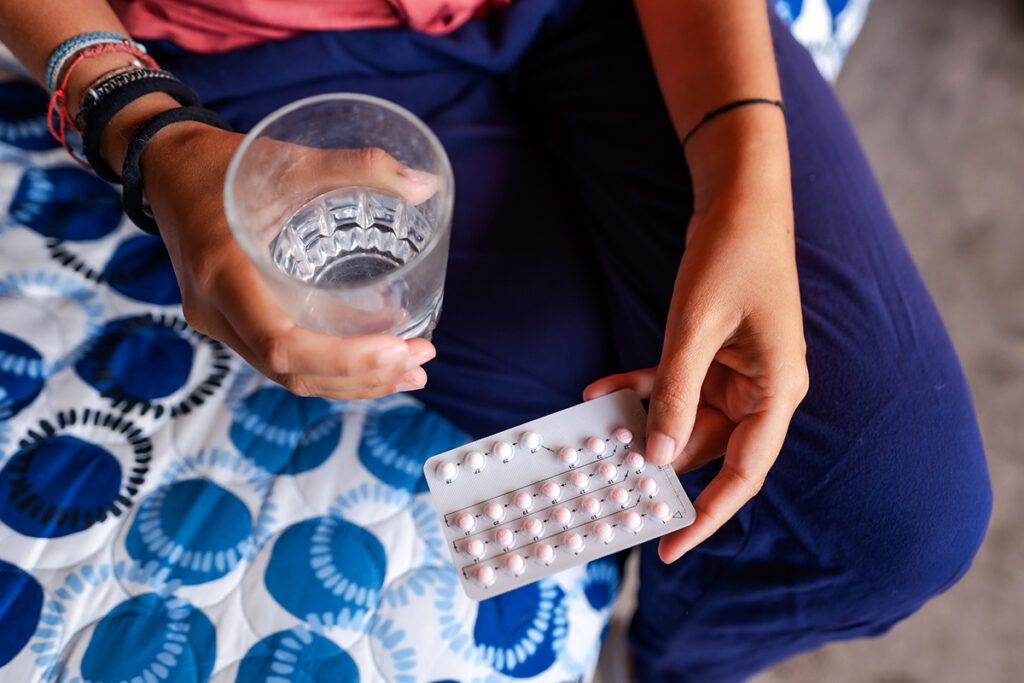
Low dose birth control pills contain a lower dose of hormones. Low dose combination pills contain 10 to 35 mcg of estrogen. Birth control pills are considered to be ultra-low dose if they contain 10 mcg of estrogen. Lo Loestrin Fe is an example of an ultra-low dose pill.
Research from 2016 has shown that low dose birth control pills have the same effectiveness as high dose pills at preventing pregnancy, as long as you correctly and consistently take them. Low dose combination pills are 99% effective at preventing pregnancy when taken as instructed by a healthcare professional.
Because combination birth control pills have links to several health conditions, health professionals are likely to prefer to prescribe low dose birth control pills. Potential risks of combination pills include:
- breast cancer
- thrombosis
- cerebrovascular complications like stroke
- heart attacks
Low dose birth control pills can cause side effects like bleeding, nausea, headaches, and weight gain. High dose pills can also cause these side effects, but the risk is generally lower with low dose pills. Yet according to American Family Physician, low dose birth control pills have higher rates of discontinuation — meaning that people stop using them more often.
Experts recommend that the best dose for most people who take oral birth control is between 30 and 35 mcg of ethinyl estradiol (synthetic estrogen).
Low dose combination pills include these brand names:
- Apri
- Cyclessa
- Low-Ogestrel
- Microgestin
- Nextstellis
- Ortho Tri-Cyclen
- Seasonale
- Seasonique
- Yasmin 28, or Yaz
- Zovia
Low dose progestin-only birth control pills include the following brands:
Low dose birth control pills have some advantages and disadvantages, according to the United Kingdom National Health Service.
Benefits of low dose birth control pills include:
- It can reduce acne.
- It can lower your risk of colon and ovarian cancer.
- Your menstrual bleeding can be lighter, more regular, and less painful.
- It can lower your risk of ovarian cysts and fibroids.
The cons of low dose birth control pills include:
- It can cause side effects like nausea, vomiting, headaches, and breast tenderness.
- It can raise your blood pressure.
- It is linked to an increased risk of blood clots and breast cancer.
- It can lead to breakthrough bleeding during the first months of use.
Remember that birth control pills, no matter their dosage, cannot protect you against sexually transmitted infections.
————-
If you need help covering the cost of medications, the free Optum Perks Discount Card could help you save up to 80% on prescription drugs. Plus, you can now get them delivered to your home in as little as 3 days. Search for your medication here.

Free prescription coupons
Seriously … free. Explore prices that beat the competition 70% of the time.
Get free cardHigh dose birth control pills
Health professionals rarely prescribe high dose birth control pills because low dose pills have the same effectiveness and a lower risk of side effects.
High dose combination pills contain progestin and about 50 mcg of synthetic estrogen. These include the following brands:
- Demulen 1/50
- Ogestrel
- Ortho-Novum 1/50
- Ovral
The pros and cons of high dose birth control pills are similar to those of low dose pills. Yet high dose pills may lead to a higher risk of certain conditions than low dose pills, including breast cancer.
Differences between low dose and high dose pills
Besides the amount of estrogen, low dose and high dose birth control combination pills have some key differences:
| Type of birth control pill | Dose | Effectiveness | Side effects |
|---|---|---|---|
| low dose | between 10 and 35 mcg of estrogen | 99% | headaches, nausea, vomiting, higher risk of bleeding and spotting between periods, changes in mood, breast tenderness |
| high dose | 50 mcg or more of estrogen | The effectiveness of high dose and low dose combination pills is similar: About 9 in 100 people taking the pill become pregnant | bleeding and spotting between periods, higher risk of mood changes, linked to an increased risk of breast cancer, blood clots, and heart attacks |
Who should not take combination birth control pills
Hormonal birth control pills are not for everyone. No matter the dosage, you should avoid taking birth control pills if you:
- are pregnant
- have overweight
- have high blood pressure
- smoke and are ages 35 years or over, or stopped smoking less than a year ago
- have had a stroke
- have cardiovascular conditions or heart disease
- have had blood clots
- have liver or gallbladder problems
- have breast cancer
- have diabetes complications
Summary
Birth control pills come in different types and different dosages. Birth control pills can be combined (containing both synthetic estrogen and progesterone) and progestin-only pills.
Combined birth control pills can come in different doses as well. Low dose birth control pills contain 10–35 mcg of estrogen, while high dose birth control pills contain more than 50 mcg of estrogen. Ultra-low dose birth control pills contain 10 mcg of estrogen.
Health professionals prefer to prescribe lower dose birth control pills because research has shown that both low dose and high dose pills have about the same effectiveness. In addition, low dose birth control pills have lower risk of conditions like breast cancer, blood clots, and heart attacks.
Birth control pills, no matter their dosage, can cause side effects like nausea, vomiting, and spotting.
You should talk with a healthcare professional if these symptoms persist and are affecting your quality of life. They may consider switching you to a different pill or a different birth control method.
—————
Download the free Optum Perks Discount Card to save up to 80% on many prescription medications. Plus, you can now get them delivered to your home in as little as 3 days. Search for your medication here.