


————–
Need to refill a birth control medication? You can get discreet and expert on-demand care in as little as 15 minutes through Optum Perks. For $39, answer a few questions online and get a treatment plan from a US-licensed healthcare professional. Get started here.

Overview
The placebo pills in birth control packets are also known as sugar, inactive, or reminder pills. Unlike active pills, they do not contain hormones.
Placebo pills, which may be white or pink, are usually at the end of a standard combination birth control pill pack. Depending on the type and brand, there may be between 4 and 7 placebo pills in a pack. Regardless of color, placebo pills are always significantly fewer than active pills.
What do placebo pills do?
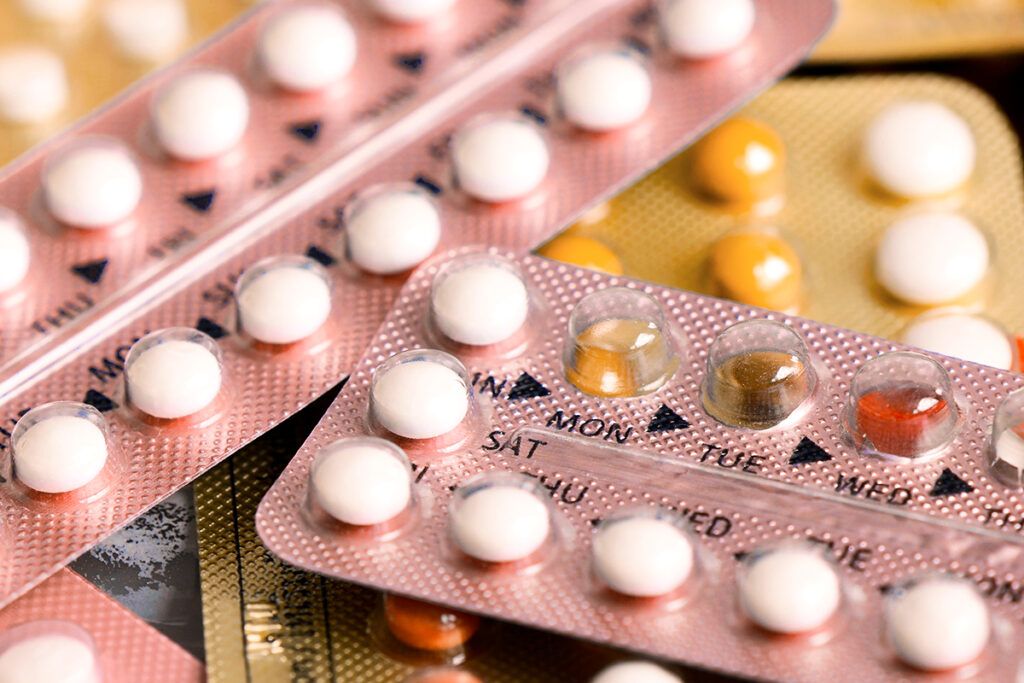
Combination birth control packets often include active pills to take for a few weeks, followed by a handful of placebo pills. This type of birth control option includes azurette (Mircette) and drospirenone ethinyl estradiol (Yaz).
You take combination birth control pills once every day. When you take active pills, your body receives a daily dose of hormones. These hormones are variations of estrogen and progestin.
When you take the nonactive placebo pills, you receive no hormones. This break from estrogen and progestin may cause withdrawal bleeding while taking these pills.
Taking a pill every day — even placebo pills during the break — helps keep your birth control schedule consistent. It lowers your chance of forgetting to start your next pack of active pills on time, reducing the risk of unintended pregnancy.
Can you skip placebo pills? Pros and cons
Withdrawal bleeding when taking placebo pills mimics your natural menstrual days. It is not a requirement for good health, and you may safely skip the white placebo pills if you choose.
In other words, you can safely go straight from the active pills in one packet to the active pills in the next. If you do this, you may have light bleeding or just spotting. You may also take half the placebo pills then start a new birth control packet.
Some benefits of skipping placebo pills to start a new birth control packet may include:
- effective management of some medical conditions, like endometriosis, that benefit from taking hormones
- not having withdrawal bleeding or light bleeding
- avoiding symptoms associated with withdrawal bleeding, such as headaches and cramps
The drawbacks of skipping the sugar pills in birth control may include:
- possible breakthrough bleeding or spotting for a few days while taking the new active pills
- having to purchase birth control more often
- not having a monthly withdrawal bleed as a possible reassurance of not being pregnant
If you have any specific questions or concerns about skipping placebo pills, it’s best to talk with a doctor who can provide tailored guidance.
Can you get pregnant when taking placebo pills?
According to a 2021 research review, taking combination hormonal birth control pills exactly as directed leads to about two pregnancies per 100 users per year. That involves taking the placebo pills as instructed in your packet.
Not taking the pills as directed or doing things that can cancel out birth control leads to between four and seven pregnancies per 100 women per year. This may be due to many factors, but most often, it’s a result of forgetting to take an active pill.
In other words, your chances of getting pregnant while taking placebo pills are the same as when you’re taking active pills, as long as you did not skip any of the latter.
Placebo pills do not provide contraceptive protection, but they help you reinforce the habit of taking a pill every day.
Therefore, taking the placebo pills in between active pills makes it much more likely that you’ll remember to take the next active pill when it’s due.
If you’ve been taking your birth control pills as directed — including placebo pills — your chances of becoming pregnant are low.
If you think you might be pregnant, consider taking a pregnancy test or consulting a doctor.
Free prescription coupons
Seriously … free. Explore prices that beat the competition 70% of the time.
Get free cardOther hormonal birth control methods
Female hormonal birth control comes in various forms, catering to different preferences and needs.
Here’s a breakdown of some common hormonal birth control methods:
- Progestin-only pills (mini-pills): Pills that only contain a progestin hormone. You take an active pill every day and do not take any placebo pills. Options include norethindrone (Camila).
- Birth control patch: The patch is worn on the skin and releases hormones into the bloodstream via the skin. For example, ethinyl estradiol/norelgestromin (Xulane).
- Birth control ring: This flexible ring sits inside the vagina, where it gradually releases hormones. For example, etonogestrel ethinyl estradiol (NuvaRing).
- Birth control injection: An injection of progestin, administered every 3 months. For example, medroxyprogesterone acetate (Depo-Provera).
- Implant: A small, flexible rod inserted under the skin, where it slowly releases progestin. For example, etonogestrel (Nexplanon).
Summary
Placebo pills, usually pink or white pills in the combination birth control packets, do not contain hormones. Instead, they help you follow a daily routine even when you take a break from active pills.
You can go straight from the active pills in one packet to the active pills in the next pack, skipping the placebo pills. This is generally safe and may mean lighter or no bleeding and associated symptoms.
If you have concerns or questions about your birth control method, seeking guidance from a doctor is highly advised.
—————
Download the free Optum Perks Discount Card to save up to 80% on many prescription medications. Plus, you can now get them delivered to your home in as little as 3 days. Search for your medication here.