


Key takeaways
- Certain foods can interact with antidepressants, reducing their effectiveness or causing side effects. Grapefruit can block medication metabolism, alcohol may worsen symptoms and side effects, and aged foods high in tyramine can cause dangerous blood pressure spikes with monoamine oxidase inhibitors (MAOIs).
- Consider limiting alcohol and foods with added sugars like candy, soda, and baked goods while taking antidepressants, as they may worsen depression and anxiety symptoms.
- Eating fatty fish, walnuts, oysters, and leafy green vegetables may help ease depressive symptoms over time. These foods are rich in omega-3s, vitamins, and minerals that support brain health and reduce inflammation.
Overview
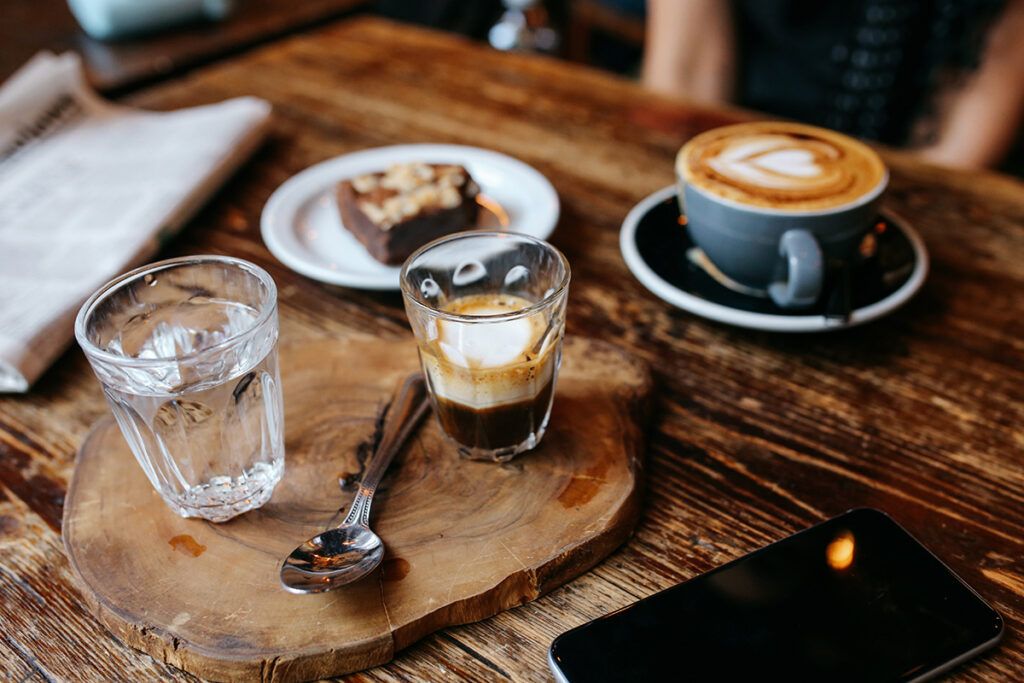
What you eat can have a wide range of effects, beyond just fueling your body. Certain foods may even interact with your medications. This is the case for many antidepressants.
Your diet can also have an effect on your mood, which is why the type of food you choose matters if you’re taking antidepressants. Some foods, such as those containing added sugars, can negatively affect your mood and increase symptoms of anxiety and depression.
Eating nutritious foods full of vitamins, minerals, and antioxidants can help your brain stay healthy and perform at its best to complement your treatment.
—————-
Need a diagnosis or prescription quickly? Optum Perks offers personalized on-demand care in as little as 15 minutes. For $29, answer a few questions online and receive a diagnosis and treatment plan from a US-licensed healthcare professional. Get started here.

What foods interact with antidepressants?
Antidepressants are a group of medications that are the first-line treatment for depression. Many different types are available, including:
- selective serotonin reuptake inhibitors (SSRIs), such as sertraline (Zoloft) and citalopram (Celexa)
- serotonin-norepinephrine reuptake inhibitors (SNRIs), such as venlafaxine (Effexor) and duloxetine (Cymbalta)
- tricyclic antidepressants, such as amitriptyline and doxepin (Silenor)
- monoamine oxidase inhibitors (MAOIs), such as selegiline (Zelapar) and phenelzine (Nardil)
Certain foods are known to interact with antidepressants, making the treatment less effective. Doctors generally advise you to avoid these when they prescribe an antidepressant.
————-
If you need help covering the cost of medications, the free Optum Perks Discount Card could help you save up to 80% on prescription drugs. Plus, you can now get them delivered to your home in as little as 3 days. Search for your medication here.

Free prescription coupons
Seriously … free. Explore prices that beat the competition 70% of the time.
Get free cardGrapefruit
Grapefruit is a commonly cited example of a food that can interact with antidepressants. It can block the enzyme that metabolizes medications, making those drugs enter your bloodstream quicker and in higher amounts than usual. This can cause serious side effects.
Some antidepressants affected by grapefruit include:
- sertraline (Zoloft)
- clomipramine (Anafranil)
- fluvoxamine (Luvox)
Alcohol
Doctors often recommend you avoid alcohol while on antidepressants. It can have several negative effects, including:
- worsening side effects
- worsening your symptoms
- harming your liver
- affecting your central nervous system
Aged foods
Aged foods are foods that are preserved or fermented, often to improve the taste. Common examples include certain cheeses, red meats, nuts, and oils. They often contain the amino acid tyramine.
If you’re taking antidepressants such as MAOIs, tyramine may have a negative effect on your cardiovascular health. MAOIs prevent the breakdown of tyramine in the body. As tyramine helps regulate blood pressure, eating foods with high amounts while taking an MAOI may result in dangerous blood pressure spikes.
If you take an MAOI, consider speaking with a doctor about what foods to avoid.
What foods should you avoid while on antidepressants?
While certain foods or drinks may not be completely off limits, it can be beneficial to limit those that make inflammation worse, as this can make it more difficult for your brain to function.
Consider limiting the following foods or drinks if you’re taking antidepressants:
Alcohol
Alcohol can often worsen symptoms of anxiety and depression.
If you’re taking medications such as antidepressants, consider speaking with a doctor or pharmacist about when it is safer for you to drink and when to avoid it.
Added sugar
Added sugar is the type of sugar that doesn’t occur naturally in foods. It may appear on ingredient lists under alternative names such as:
- corn syrup
- dextrose
- high fructose corn syrup
- maple syrup
- molasses
- sucrose
Examples of foods containing added sugars include:
- candy
- cakes
- cookies
- pastries and pies
- sweetened beverages like soda
A 2020 review suggests that dietary added sugars may have a depressive effect, making depression more likely.
The Centers for Disease Control and Prevention (CDC) recommends eating 10% or less of calories from added sugar each day. For example, if your diet consists of 2,000 calories a day, aim to consume no more than 200 calories of foods containing added sugars.
What foods should you eat more of while on antidepressants?
No specific foods or diets will take depression away overnight. However, certain foods may help ease symptoms over time. They include:
Fatty fish
Fatty fish is high in several minerals and vitamins, such as omega-3 fatty acids. As fatty fish has anti-inflammatory properties, it may even be able to help relieve depression symptoms and lower your risk of heart disease and stroke.
Examples of fatty fish include:
- salmon
- mackerel
- tuna
- trout
The American Heart Association (AHA) recommends eating 2 servings (equal to 6 ounces when cooked) of fatty fish per week.
Walnuts
Walnuts are another great source of omega-3s. They are also high in healthy fats and can help promote good brain and gut health.
In fact, a 2020 review suggests that walnuts can have several positive impacts on cognition and brain health, including reducing the risk or progression of depression.
Leafy green vegetables
Eating leafy green vegetables can have several health benefits, such as reducing inflammation in the body. This is important as inflammation can make it more difficult for brain cells to do their jobs. However, regularly eating leafy green vegetables can help decrease inflammation, which can, in turn, lower stress and depression levels.
Examples of leafy green vegetables include:
- watercress
- spinach
- Swiss chard
- lettuce
- kale
- collards
Other treatment options for depression
If you’re experiencing depression, several other treatment options can help. This includes therapies like cognitive behavioral therapy (CBT), which can help you learn how to reframe your thoughts and provide you with coping strategies.
A doctor may also suggest medications to help alleviate symptoms, such as:
- selective serotonin reuptake inhibitors, like fluoxetine (Prozac) and sertraline (Zoloft)
- serotonin-norepinephrine reuptake inhibitors, including venlafaxine (Effexor XR), duloxetine (Cymbalta), and desvenlafaxine (Pristiq)
- monoamine oxidase inhibitors (MAOIs), including selegiline (Emsam) and tranylcypromine (Parnate)
Optum Perks now also offers reduced pricing on over 60 branded medications, and consumers can now save an average of 22.5%, or $91, per prescription. The final price of your medications may be discounted at the pharmacy even further than the offers listed on our site.
To see your final cost, simply present your Optum Perks card to the pharmacist — your savings will be applied in real time based on our most current discounts.
Summary
If you’re taking antidepressants, it may be helpful to avoid certain foods and drinks to reduce the risk of interactions or worsening of your symptoms. This includes:
- aged foods, like certain cheeses and red meats
- alcohol
- foods containing added sugar, like candy and cake
It may be beneficial to eat more foods containing healthy fats, such as fatty fish, to help relieve depressive symptoms and reduce inflammation levels, alongside taking antidepressant medications.
If you’re experiencing symptoms of depression that are interfering with your day-to-day life, consider speaking with a healthcare professional. They can help create a treatment plan for your individual needs to help alleviate symptoms.
—————
Download the free Optum Perks Discount Card to save up to 80% on many prescription medications. Plus, you can now get them delivered to your home in as little as 3 days. Search for your medication here.