


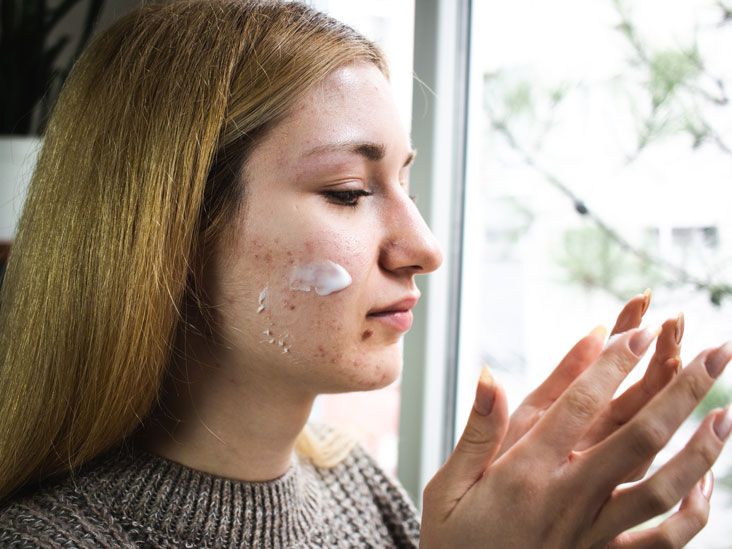
Acne is a condition that usually develops when the hair follicles in your skin become clogged with oil, dead skin cells, or, in some cases, bacteria. It causes breakouts of pimples, usually on your face but also occasionally on other parts of your body, like the back or chest.
The type of acne can fall into two main categories: inflammatory and noninflammatory. There can be further classifications within those categories according to the types of pimples they cause. Treatment is generally the same regardless of the type of acne you have.
The different types of pimples acne causes include:
- comedones
- papules
- pustules
- nodules
- cysts
————–
Need a diagnosis or prescription for acne? You can get discreet and expert on-demand care in as little as 15 minutes through Optum Perks. For $39, answer a few questions online and get a treatment plan from a US-licensed healthcare professional. Get started here.

Inflammatory vs. noninflammatory acne
Acne vulgaris is generally known as an inflammatory skin condition, meaning it causes painful swelling and discoloration. However, it’s also possible to have a noninflammatory form of acne. The main difference between inflammatory and noninflammatory acne is the type of pimples each kind produces.
Inflammatory acne
True to the name, inflammatory acne causes inflammation (swelling) and discoloration of your skin due to the clogged pores causing an immune response. The types of pimples caused by this form of acne include:
- Papules: These are small, inflamed bumps under the skin that are often painful to touch.
- Pustules: These are similar to papules but contain pus, so they have a white center. Pustules are usually painful or tender.
- Nodules: These are large, solid lesions that form deep under your skin. Nodules develop when your clogged pores become more irritated and inflamed.
- Cysts: These are like nodules but contain pus. They’re deep in the skin and may be painful. Cysts are generally the most severe form of acne and are prone to scarring.
Noninflammatory acne
Noninflammatory acne is not associated with inflammation, so the pimples it causes aren’t swollen. It is usually milder and more easily treatable than inflammatory acne. It generally causes types of pimples known as comedones. There are two types of comedones:
- Blackheads: Also known as open comedones, blackheads occur when a pore becomes clogged, but the top of the pore remains open. This is what causes the black color characteristic of blackheads.
- Whiteheads: Also known as closed comedones, the clogged pore is closed at the top, creating a protruding bump with a white tip.
While noninflammatory acne is usually milder, if your pores continue to be clogged, it can develop into inflammatory acne if bacteria build up.
It’s important to note that you can have multiple types of acne at the same time, including both inflammatory and noninflammatory pimples.
Acne treatments
Treatment for acne will depend on the type of pimples you have and the severity of your acne.
Self-care remedies
First of all, doctors might recommend some self-care strategies to avoid your acne worsening, such as:
- keeping your skin clean using a mild cleanser, avoiding harsh chemicals
- avoiding rubbing, touching, or squeezing your pimples or lesions
- taking care when shaving, as this may irritate your skin more
- using lukewarm water when cleansing and showering
OTC remedies
The next step may be trying over-the-counter (OTC) products to help manage milder acne, such as noninflammatory pimples. Some topical options include:
- Retinoids: Retinoids are molecules derived from vitamin A. Mild products are available OTC to help with skin conditions. You can use retinol and adapalene (Differin) to manage acne.
- Azelaic acid: Azelaic acid (Finacea) may help manage your symptoms and fade scarring.
- Benzoyl peroxide: Many OTC acne products contain benzoyl peroxide (Enzoclear) as their active ingredient, starting at around 2.5% strength.
- Salicylic acid: Salicylic acid is another common ingredient in OTC acne products like cleansers or creams. It can help unclog your pores and may be best for treating comedones.
According to some 2022 research, benzoyl peroxide and salicylic acid are the most common ingredients in OTC acne products. The research also found that a large proportion of the products used natural ingredients like aloe vera or witch hazel instead of active ingredients. However, these were generally less effective in managing acne.
Prescription options
In more severe cases, doctors may prescribe medications to help treat acne.
If your acne is due to bacteria, they may prescribe topical antibiotics, such as clindamycin 1% (Cleocin) or erythromycin 2% (Erythrocin). In more severe cases, such as those with cystic acne, doctors might prescribe oral antibiotics like doxycycline (Vibramycin Hylate) or minocycline (Minocin).
Another common medication for acne is isotretinoin (Absorica). This is a very strong retinoid, and doctors mostly recommend it for very severe or recurrent acne.
————-
If you need help covering the cost of medications, the free Optum Perks Discount Card could help you save up to 80% on prescription drugs. Plus, you can now get them delivered to your home in as little as 3 days. Search for your medication here.

Free prescription coupons
Seriously … free. Explore prices that beat the competition 70% of the time.
Get free cardOnline care for acne
Acne can cause feelings of shame or embarrassment, but it’s incredibly common and very treatable. If you think you have acne, consider speaking with a healthcare professional, either in person or online, to get started with your treatment journey.
Online care services, including Optum Perks Online Care, may make getting treatment easier. With these services, you can submit an online form answering a few questions about your symptoms, and a US-licensed healthcare professional will respond soon after to prescribe a treatment plan.
Summary
Acne vulgaris is a very common skin condition characterized by pimples and lesions on your skin, most commonly your face.
The two main categories of acne are inflammatory and noninflammatory. There are further classifications depending on the type of pimples you have, ranging from comedones with noninflammatory acne to cysts in inflammatory acne.
Acne treatment will depend on its type and severity. Noninflammatory acne is usually milder and may be manageable with OTC remedies. More severe forms of inflammatory acne, such as cystic acne, may require stronger prescription medications.
—————
Download the free Optum Perks Discount Card to save up to 80% on many prescription medications. Plus, you can now get them delivered to your home in as little as 3 days. Search for your medication here.