


When you have psoriasis, understanding what lifestyle factors trigger your symptoms can help you manage your condition. Reducing your contact with these triggers can help reduce the severity or frequency of your psoriasis symptoms.
These triggers can include the foods you consume. Gluten, alcohol, and other inflammatory foods are just a handful of possible dietary triggers. Along with medication, your diet may play a key role in managing psoriasis.
How diet affects psoriasis is still a developing area of scientific research, but there is some promising evidence that certain food items, vitamins, and probiotics may be able to help you manage your symptoms.
How does diet affect psoriasis?
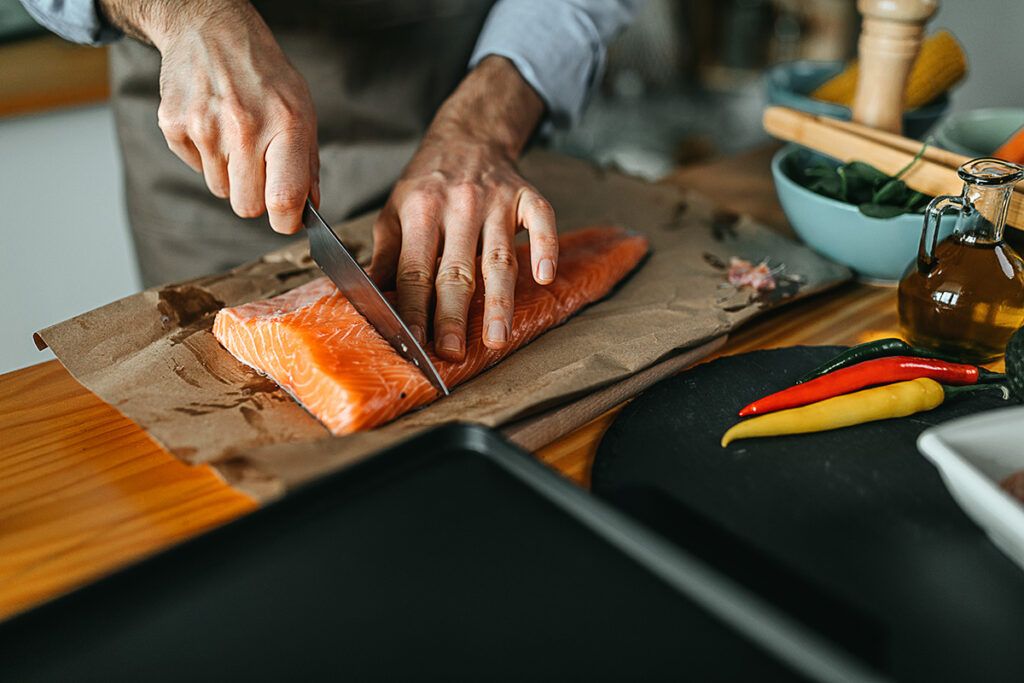
While there is little scientific evidence on how much diet affects symptoms of psoriasis, it is a growing area of research that is bringing interesting results.
Above all other dietary factors, researchers note that being overweight not only increases your risk of developing psoriasis but can worsen your symptoms. A person who is overweight is twice as likely to develop psoriasis.
Being overweight increases your inflammation levels, which is a key cause of psoriasis. Lower-calorie diets, such as a ketogenic diet, can help reduce the severity of psoriasis symptoms by helping people who have overweight to lose weight.
A study from 2017 notes that people with psoriasis report improved symptoms with a variety of diets, including:
- Vegan diet: 70% of participants saw improvements by avoiding dairy and meats.
- Paleolithic diet: Nearly 70% of participants saw improvements by limiting complex carbohydrates.
- Pagano diet: This saw the greatest improvements. Over 72% of participants who limited dairy and red meat reported an improvement in symptoms.
Foods to try
Some foods may help people manage their symptoms of psoriasis, but they may not affect everyone.
Below are some foods you may want to try.

Oily fish
Oily fish contains substances that help prevent the conversion of omega-6 fatty acids into inflammatory substances.
Oily fish is rich in vitamins D, B12, and A, which have strong antioxidant properties. Antioxidants help to reduce oxidative stress, which helps lower inflammation.
Vitamin D plays a role in psoriasis, and people with a deficiency in the vitamin have a higher chance of developing symptoms. Healthcare professionals often recommend vitamin D to treat psoriasis. Vitamin D also helps maintain a healthy skin barrier.
Some oily fish you may want to try include:
- mackerel
- salmon
- anchovies
Probiotics
The gut microbiome is made up of healthy bacteria and other microbes that reside in your gut and intestines. Studies show that people with psoriasis may have an imbalance of healthy bacteria in their gut. Researchers refer to this as a dysbiosis of the gut microbiome.
This can affect your skin health, and researchers note that probiotics can help to improve psoriasis symptoms in people with gut dysbiosis.
Foods that can contain probiotics include:
- kombucha
- yogurt
- miso
- sauerkraut
- kefir
Whole grains
Whole grain cereals are high in dietary fiber and antioxidants which help reduce inflammation. They are also rich in plant compounds. Eating sourdough, rye, or spelt bread is a good way to incorporate probiotics alongside whole grains.
Whole grains include:
- buckwheat
- quinoa
- rye
- barley
- spelt
Foods to avoid
It is important to talk with a healthcare professional before eliminating food groups. The following are foods you may want to consider removing from your diet if you have psoriasis:
Alcohol
According to a review from 2020, alcohol consumption can worsen symptoms of psoriasis by increasing inflammation throughout the body while also causing an imbalance in your gut microbiome.
A study from 2017, including a nationwide survey, noted that after removing alcohol from their diet, over half of the participants with psoriasis saw improvements in their skin condition.
Dairy
According to a 2017 study on diet in people with psoriasis, these people reported that dairy was a common trigger for their symptoms. Anecdotal evidence suggests that people who eliminate dairy from their diets see fewer psoriasis symptoms.
A review from 2017 suggests that arachidonic acid — found in both dairy products and red meat — may irritate your intestinal tract and worsen symptoms of psoriasis.
Nightshades
Nightshades include the following vegetables:
- tomatoes
- peppers
- potatoes
- eggplant
These vegetables contain solanine, which can affect digestion and may cause inflammation.
According to a national survey from 2017, nearly 30% of participants with psoriasis avoid these vegetables, with 50% of these individuals reporting that doing so improved their symptoms.
Gluten
It is common for people with psoriasis to also have celiac disease. This is an autoimmune response to the protein component of gluten.
Researchers note that people with psoriasis are more likely to be genetically predisposed to have celiac disease.
While research on whether eliminating gluten from the diet of someone with psoriasis is effective is not conclusive, it may be worth trying if you notice that gluten is a trigger for your psoriasis symptoms.
Other treatments
A healthcare professional will likely recommend a combination of medications to help treat psoriasis. Treatment depends on how severe your psoriasis symptoms are and how well your body reacts to a particular treatment. You may need to try more than one type of treatment before you find the one that works best for you.
Generally, medical treatment for psoriasis involves the following three groups:
| Type | Form | How they work |
| Topical treatments | Creams, ointments, or shampoos | By applying these directly to your skin, you can help manage symptoms of mild to moderate psoriasis. Treatments include salicylic acid, retinoids, and even high-strength vitamin D, such as calcipotriene. |
| Systemic treatments | Injections or oral tablets | Systemic medications that can help manage psoriasis symptoms include immunosuppressants, retinoids, and biologics, such as methotrexate, soriatane, and humira, respectively. They work by reducing inflammation in the body or by slowing skin cell growth. |
| Phototherapy | Light-bulbs, sunshine | Ultraviolet (UV) light can reduce inflammation and slow the growth of skin cells. Different types of UV treatment work best for different types of psoriasis. |
————-
If you need help covering the cost of medications, the free Optum Perks Discount Card could help you save up to 80% on prescription drugs. Plus, you can now get them delivered to your home in as little as 3 days. Search for your medication here.

Free prescription coupons
Seriously … free. Explore prices that beat the competition 70% of the time.
Get free cardSummary
Psoriasis is an autoimmune condition, and, like many autoimmune conditions, certain foods can trigger flare-ups. If you have psoriasis, you may benefit from incorporating healthy oils, whole grains, and probiotics into your diet.
You may want to try and reduce or even avoid consuming alcohol and other inflammatory foods like dairy, nightshade vegetables, and gluten. While there is little scientific proof that this will reduce your symptoms, anecdotal evidence suggests it may help you manage your flare-ups.
Before changing your diet, it is always a good idea to talk with a healthcare professional for more information.
—————
Download the free Optum Perks Discount Card to save up to 80% on many prescription medications. Plus, you can now get them delivered to your home in as little as 3 days. Search for your medication here.