


Leukemia may make you more prone to developing skin conditions, including rashes, bruising, and infections.
Leukemia is a blood cancer associated with an elevated number of leukocytes or white cells in the blood. These cells protect your body from invaders. When you have more leukocytes than needed, these cells may crowd, fight, or put stress on other cells in your body, including those on your skin.
Leukemia may interfere with the natural blood-clotting process. This causes blood to leak into the skin when small blood vessels, like capillaries, burst.
This article will discuss the different types of leukemia skin rashes, possible treatments, and when a rash may be a sign of leukemia.
Types of leukemia skin rashes
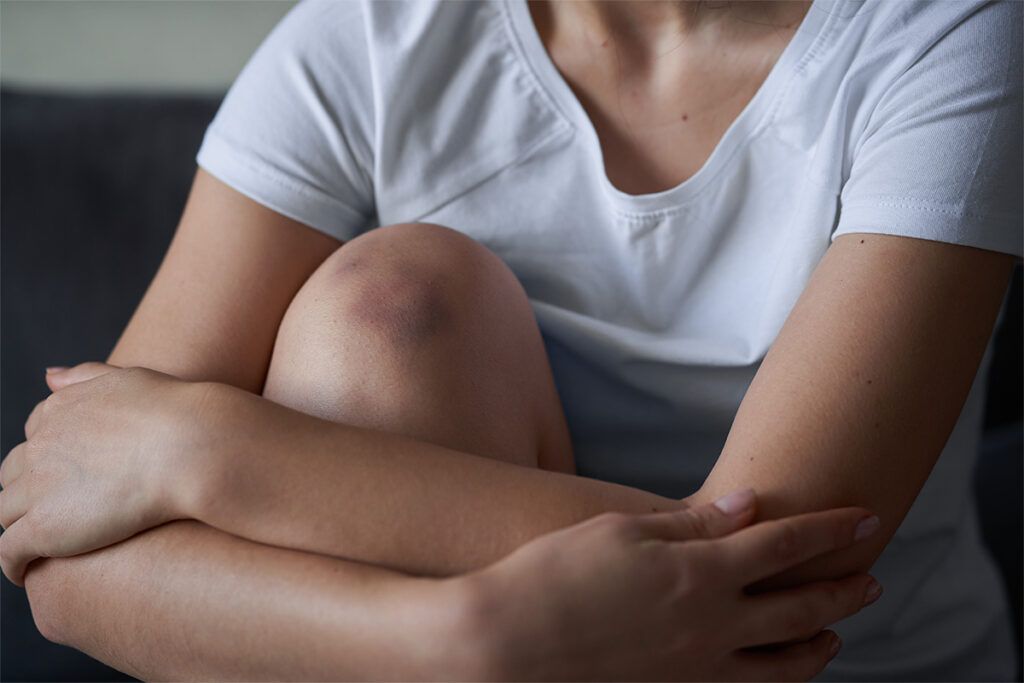
Leukemia-related skin rashes come from broken capillaries that leak blood into layers of the skin.
Leukemia disrupts the production of platelets, a type of cell that plays a role in blood clotting. This means that when small vessels burst, blood leaks out and accumulates on different layers of the skin.
Rashes in leukemia result from small areas of coagulated blood due to broken skin vessels. These rashes technically are leukemia bruises.

Petechiae, purpura, and ecchymoses
The most common skin rash associated with leukemia is petechiae. This rash appears as a small area of tiny spots or dots that may be reddish, purple, or brown, depending on your skin color.
Approximately 40 percent of people with leukemia experience petechiae.
Petechiae dots are often less than 4 millimeters in size. When they become larger than 4 millimeters but smaller than 1 centimeter, medical professionals call the rash purpura of the skin.
Ecchymosis, or bruise, is a purpura rash that progresses into a larger discolored area.
Petechiae may be an early sign of leukemia, but it can also result from other conditions.
Leukemia cutis
Leukemia cutis (LC) is a rare skin rash that some people with advanced leukemia or acute myeloid leukemia experience.
The appearance of LC may vary from person to person. Often, the skin rash looks similar to eczema or psoriasis.
Leukemia cutis may also look like small or large raised patches made of little bumps called papules.
Larger papules are called nodules. These bumps may be red, purple, or flesh-colored, depending on your skin tone.
Other possible symptoms of LC include:
- thickening of the skin
- ulcers
- excessive skin dryness
- blisters
- ring-shaped lesions
Sweet syndrome
If your health team is treating your leukemia with a granulocyte-colony stimulating factor drug, you may develop Sweet syndrome.
Common signs of Sweet syndrome in people with leukemia may include:
- asymmetrical skin rashes of different sizes
- sore skin plaques
- red, purple, or flesh-colored nodules
- ulcers and blisters with pus
- fever
- painful joints
- headaches
Are leukemia skin rashes treatable?
Management of skin rashes due to leukemia is possible, but the outlook depends on your overall leukemia treatment.
In most cases, skin rashes improve when chemotherapy and radiotherapy are effective.
To relieve skin discomfort, your health professional may recommend corticosteroid medications such as:
- prednisone (Pediapred, oral tablet)
- dexamethasone (DexPak, oral tablet)
- methylprednisolone (injectable)
————-
If you need help covering the cost of medications, the free Optum Perks Discount Card could help you save up to 80% on prescription drugs. Plus, you can now get them delivered to your home in as little as 3 days. Search for your medication here.

Free prescription coupons
Seriously … free. Explore prices that beat the competition 70% of the time.
Get free cardIs a skin rash a sign of leukemia?
No. Skin rashes and other lesions may result from many different conditions and health challenges.
Leukemia also presents with other symptoms, depending on its type and stage.
The American Cancer Society (ACS) lists the following possible symptoms of leukemia:
- unexplained fatigue
- difficulty breathing
- unexplained weight loss
- loss of appetite
- dizziness
- unusually heavy menstrual flow
- painful and swollen lymph nodes
- fever
- weakness
- enlarged liver
Symptoms of childhood leukemia may also include:
- body aches and pains
- flu-like symptoms
- changes to skin color (darker skin may appear duskier, while lighter tones may look paler)
Only a medical professional can provide an accurate diagnosis and identify the root cause of your symptoms.
Summary
Some people with leukemia may experience skin rashes and lesions. Small red or purple dots are called petechiae and may be an early sign of the disease.
Larger areas of flat or raised skin rashes are also possible, with some people experiencing painful blisters and nodules during later leukemia stages.
Skin rashes may result from different conditions, and only a health professional can give a differentiated diagnosis.
—————
Download the free Optum Perks Discount Card to save up to 80% on many prescription medications. Plus, you can now get them delivered to your home in as little as 3 days. Search for your medication here.