


When you consider the benefits of exercise, you may think about toned muscles and cardiovascular health. But improving and maintaining bone density is another important reason to exercise regularly — particularly if you have a higher risk of developing osteoporosis.
Osteoporosis is a condition that involves decreased bone mass, which leads to easily breakable and brittle bones. Health professionals typically treat osteoporosis with medications, hormone replacement, and nutrition.
Physical activity and exercise are also high on the intervention list since they help strengthen your bones. Plus, exercise can improve muscle strength and coordination, which may help prevent falls.
This article will discuss the best types of exercise for osteoporosis management and prevention.
Exercise types
Most kinds of exercise will benefit your bone health. It’s important, however, to explore which ones best fit your needs, body type, and lifestyle.
Consistency is key when it comes to the benefits of exercise for osteoporosis. Consider choosing a program you can follow regularly, preferably for at least 30 minutes most days of the week.
The best exercise types for osteoporosis are:
- weight-bearing exercises
- resistance exercises with weights
- resistance exercises without weights
- stretching and balancing exercises
Weight-bearing exercises
Weight-bearing exercises consist of movements that require your muscles and bones to work against gravity. In other words, these exercises work with either body weight or weight equipment, and they are performed with your feet or hands on the ground.
You may need to perform these exercises at a moderate level of intensity to experience bone benefits.
Recommended weight-bearing exercises for osteoporosis include:
- hiking
- jogging
- stair climbing
- dancing
Although walking is considered a weight-bearing exercise, it may be beneficial for bone health only when doing it briskly.

Resistance exercises with loading
Resistance exercise with loading is also called strength training or weightlifting. It typically requires holding equipment of different weights that resist your movement.
Strength training helps you improve muscle strength, endurance, and bone mass. These exercises usually simultaneously work one or two muscle groups — but their benefits go beyond muscular development.
Lifting weights puts stress on your joints and bones, which activates bone cell formation. In other words, your bones respond to the higher weight requirements by making more bone cells, which in turn strengthens bones.
You can practice strength training for osteoporosis by engaging with the following:
- strength gym equipment
- free weights like dumbbells and kettlebells
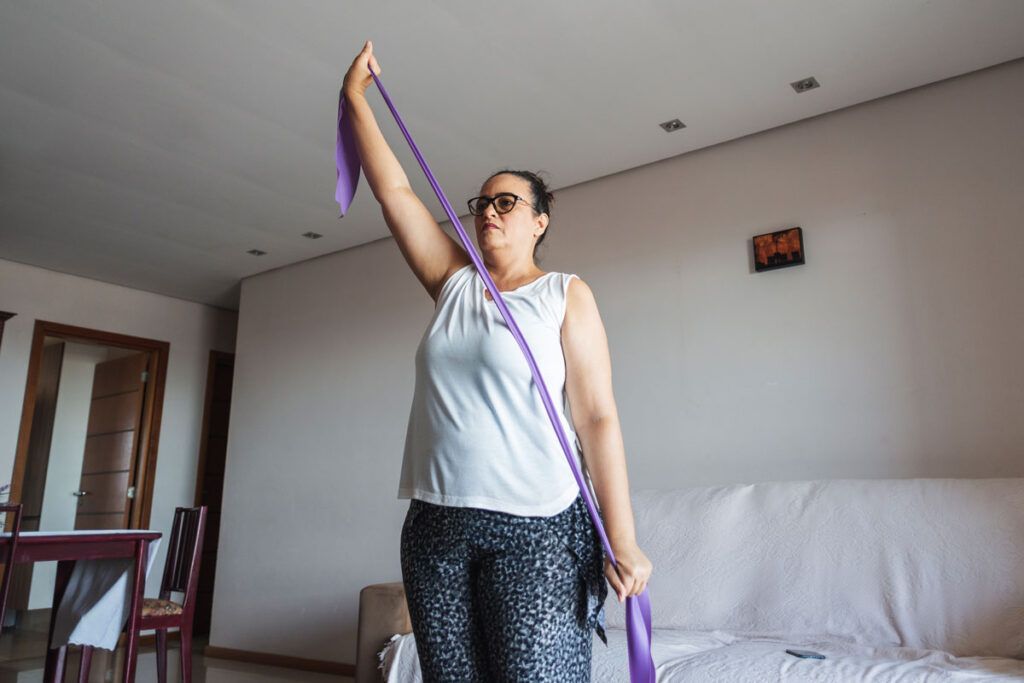
- elastic or resistance bands
- rowing exercises
Resistance exercises without loading
Resistance without loading essentially means bodyweight training. These exercises can be beneficial if you have injuries or are just starting your training routine.
The best resistance training exercises for osteoporosis include:
- pushups
- pullups
- squats
- lunges
- crunches
Balance and coordination exercises
Living with osteoporosis may make you more fearful of falling because of your increased chance of fractures. Performing movements that improve your balance may help you feel more confident.
Your physical therapist or health professional may recommend the following exercises:
- yoga
- tai chi
- standing marches
————-
If you need help covering the cost of medications, the free Optum Perks Discount Card could help you save up to 80% on prescription drugs. Plus, you can now get them delivered to your home in as little as 3 days. Search for your medication here.

Free prescription coupons
Seriously … free. Explore prices that beat the competition 70% of the time.
Get free cardWhat exercises should be avoided with osteoporosis?
High impact exercises may not be recommended if you live with osteoporosis because of the stress they exert on your bones and the higher chance of falling they present.
Contact sports or those requiring intense jumping, such as tennis, skiing, and horseback riding, may not be recommended for everyone.
This is not a one-size-fits-all situation, though. It may depend on your overall health, fitness level, and stage of osteoporosis. If you are used to performing cardio and high impact exercises, you may feel comfortable and safe doing so. It may be worth discussing the pros and cons with your health professional.
You may also want to consider protecting your spine by avoiding intense activities that flex, bend, or twist it.
Warming up for at least 10 minutes may be recommended before any exercise routine.
Summary
Strength training and weight-bearing exercises are the best options to reduce the chance of developing osteoporosis. Stretching and balance exercises may also help.
Consider discussing with your health professional the best workouts for your individual situation.
—————
Download the free Optum Perks Discount Card to save up to 80% on many prescription medications. Plus, you can now get them delivered to your home in as little as 3 days. Search for your medication here.