


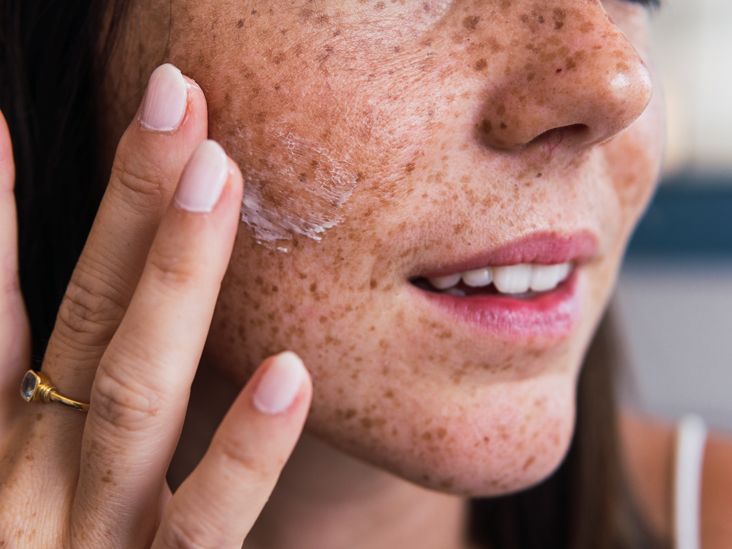
Retin-A, the brand name for tretinoin, is a retinoid commonly prescribed for acne treatment and pro-aging support, such as helping reduce the appearance of wrinkles.
It comes in different forms, such as creams and gels that you apply to the skin. A healthcare professional usually prescribes Retin-A.
—————-
Need a diagnosis or prescription quickly? Optum Perks offers personalized on-demand care in as little as 15 minutes. For $39, answer a few questions online and receive a diagnosis and treatment plan from a US-licensed healthcare professional. Get started here.

What does Retin-A do to your skin?
Retin-A contains an active ingredient called tretinoin, derived from vitamin A. It treats several skin conditions by encouraging new skin cells to grow, which reduces the appearance of sun damage, wrinkles, dark spots, and uneven patches.
- Treats acne: Retin-A speeds up the rate at which new skin cells grow, helps clear pores, and reduces the buildup of skin cells that cause acne. Regular use helps prevent and heal blemishes, leading to clearer skin.
- Reduces the appearance of wrinkles: Retin-A helps reduce the appearance of wrinkles and fine lines by boosting collagen production, improving skin texture, and promoting smoother, firmer skin. It also helps with irregular pigmentation.
- Improves skin texture and tone: Retin-A smooths uneven skin and evens skin tone by increasing new skin cell growth. This process helps distribute melanin more evenly, which can help fade dark spots and enhance the skin’s overall appearance. Melanin is a substance in your body that gives color to your skin and hair.
- Treats sun-damaged skin: Retin-A repairs sun-damaged skin by speeding up cell turnover and removing damaged outer layers. This process repairs the skin, reduces discoloration, and improves textural changes associated with sun damage.
When using Retin-A, it’s important to apply it consistently to see results over time. Since it increases skin sensitivity to the sun, it’s important to use sunscreen daily.
How do you use Retin-A?
When using Retin-A, it’s important to follow your doctor’s instructions. To minimize sun exposure, Retin-A is best applied at night. Start using it 2 to 3 nights per week, gradually increasing to every night as your skin tolerates it.
Here’s how to apply Retin-A:
- Cleanse your skin: Gently wash your face with warm water and pat dry. Ensure your skin is completely dry before applying Retin-A to avoid irritation.
- Apply a small amount: Apply a pea-sized amount of Retin-A gel or cream and distribute it to cover your entire face. Using more than this won’t speed up results and could lead to unwanted side effects.
- Moisturize (optional): If your skin feels dry or sensitive, apply moisturizer about 20 minutes after Retin-A. This prevents dryness without affecting its effectiveness.
Retin-A increases skin’s sensitivity to the sun, so applying a broad-spectrum sunscreen during the day is important to protect against sun damage.
Experts also suggest avoiding using Retin-A with other exfoliating products, such as salicylic acid or benzoyl peroxide, as these can increase the risk of irritation.
If you need clarification about product combinations, talk with a healthcare professional for personalized advice. They can help you avoid harmful interactions and choose the right products for your skin type.

Free prescription coupons
Seriously … free. Explore prices that beat the competition 70% of the time.
Get free cardHow long does Retin-A take to work?
The time it takes to see results with Retin-A can vary depending on several factors, such as:
- your skin type
- how your skin reacts to the product
- the specific skin concern being treated
If you use Retin-A to treat acne, you may notice improvements as early as 2 to 3 weeks after starting the treatment. However, it’s more common to notice the full benefits after more than 6 weeks of regular use.
If you use Retin-A for pro-aging support or to reduce the appearance of wrinkles and sun damage, it may take a few weeks to a few months of regular use to notice improvements in skin texture and fine lines. This is because collagen production happens gradually. Collagen is a protein that helps provide structural support to your skin, muscles, bones, and connective tissues. This helps reduce the appearance of wrinkles.
It’s important to maintain an application routine as the effects of Retin-A improve over time.
—————
Download the free Optum Perks Discount Card to save up to 80% on many prescription medications. Plus, you can now get them delivered to your home in as little as 3 days. Search for your medication here.
Summary
Retin-A is a prescription treatment primarily used for acne and pro-aging support.
It works by increasing new skin cell growth, unclogging pores, and increasing collagen production, leading to smoother skin and fewer breakouts.
Results may take time, so consistent use and following your doctor’s instructions is important.