


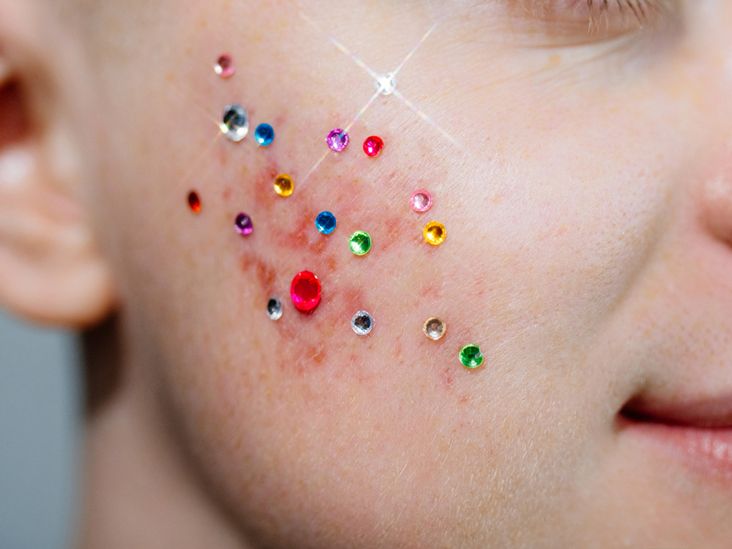
Accutane, the brand name for isotretinoin, is a prescription oral medication used to treat severe acne, including nodular and cystic acne.
It is available as an oral capsule, and healthcare professionals often prescribe it when other acne treatments have not been successful.
————–
Need a diagnosis or prescription for acne? You can get discreet and expert on-demand care in as little as 15 minutes through Optum Perks. For $39, answer a few questions online and get a treatment plan from a US-licensed healthcare professional. Get started here.

What does Accutane do to clear your skin?
Doctors often prescribe Accutane for severe cases of acne, including nodular, cystic, and hormonal acne, when other treatments, such as antibiotics or topical creams, haven’t worked.
Accutane works by targeting several factors within the skin and body that contribute to acne. Examples of how Accutane works to clear your skin include:
- Reduces oil production: Accutane shrinks the sebaceous glands, reducing the amount of sebum (oil) your skin produces. This helps prevent clogged pores and future breakouts.
- Prevents clogged pores: Accutane helps clear dead skin cells that can clog pores and lead to acne by promoting faster skin cell turnover. This helps heal existing acne and prevent new pimples from forming.
- Reduces inflammation: Acne is often accompanied by inflammation (redness or other color changes and swelling), especially with more severe forms like cystic or nodular acne. Accutane’s anti-inflammatory effects help reduce swelling, discoloration, and pain associated with severe acne.
- Targets bacteria: Research from 2017 notes that, while Accutane isn’t an antibiotic, it creates an environment where acne-causing bacteria are less likely to survive because of oil reduction.
Accutane’s ability to target the main causes of acne formation makes it effective. It treats existing acne and also prevents new blemishes from forming.
How do you know if Accutane is working?
You’ll know Accutane is starting to work when you notice fewer breakouts and less oil production on your skin.
Accutane typically starts to show results as early as 4 weeks. However, you may notice your acne worsening before it gets better. Sometimes this is called “purging.”
Some signs that Accutane is working include:
- fewer breakouts
- smoother skin texture
- drying of existing acne
- less oily skin
- reduced inflammation and redness or other color changes
- milder breakouts when they do occur
- reduction in acne scar appearance
Accutane treatment typically lasts 4 to 5 months, though the duration may vary for each person. It may take more or less time, but it’s important to complete the prescribed duration of treatment to get the best results.
Does Accutane work permanently?
In many cases, Accutane provides long-lasting or permanent acne clearance even after stopping the medication.
A 2023 study found that 4 out of 5 people who completed 5 to 8 months of isotretinoin treatment experienced long-term improvement. Isotretinoin is the active ingredient in Accutane. An active ingredient is what makes a drug work.

Free prescription coupons
Seriously … free. Explore prices that beat the competition 70% of the time.
Get free cardIsotretinoin targets the causes of acne, such as overactive oil glands, pore blockages, and inflammation.
According to the American Academy of Dermatology, isotretinoin can permanently clear the skin with just one course of treatment. However, some people may require a second course if their acne returns.
Here are common reasons why isotretinoin might not work permanently:
- Severe acne: Deep, severe types of acne, such as nodular or cystic acne, can recur and require additional treatments.
- Hormonal factors: Hormonal imbalances, especially in people assigned female at birth, may cause acne recurrence due to hormonal changes not managed by isotretinoin.
- Incomplete or inadequate treatment: Not completing the prescribed dose of Accutane or taking lower doses can lead to less effective results, which may require additional treatment.
- Genetic factors: A 2020 preliminary study found that some people’s genetic makeup may affect how their skin responds to isotretinoin, which can influence the treatment’s outcome. However, more research is needed.
—————
Download the free Optum Perks Discount Card to save up to 80% on many prescription medications. Plus, you can now get them delivered to your home in as little as 3 days. Search for your medication here.
Summary
Accutane is a prescription medication that treats severe acne by reducing oil production, minimizing clogged pores, reducing inflammation, and targeting bacteria.
While the medication may take several months to show full results, its effects can be long lasting and, in many cases, permanent.
Accutane helps manage hormonal and nonhormonal acne. It can continue to work after treatment stops, providing permanent relief from severe breakouts.