


Sores that develop in your stomach lining or the upper intestine cause stomach ulcers, also known as gastric ulcers. They can result in pain and inflammation throughout the abdomen.
They affect around 4 million people globally. Helicobacter pylori, a type of bacteria that infects the stomach, commonly causes ulcers.
The overuse of some substances and medications can also result in stomach ulcers. These include:
- nonsteroidal anti-inflammatory medications (NSAIDs), such as aspirin and ibuprofen (Advil)
- alcohol
- tobacco smoking
A healthcare professional can prescribe medications such as antibiotics and stomach-acid-blocking drugs to relieve pain from stomach ulcers.
In addition to prescription medications, natural remedies can offer several ways to treat ulcers and relieve stomach pain at home.
1. Ginger
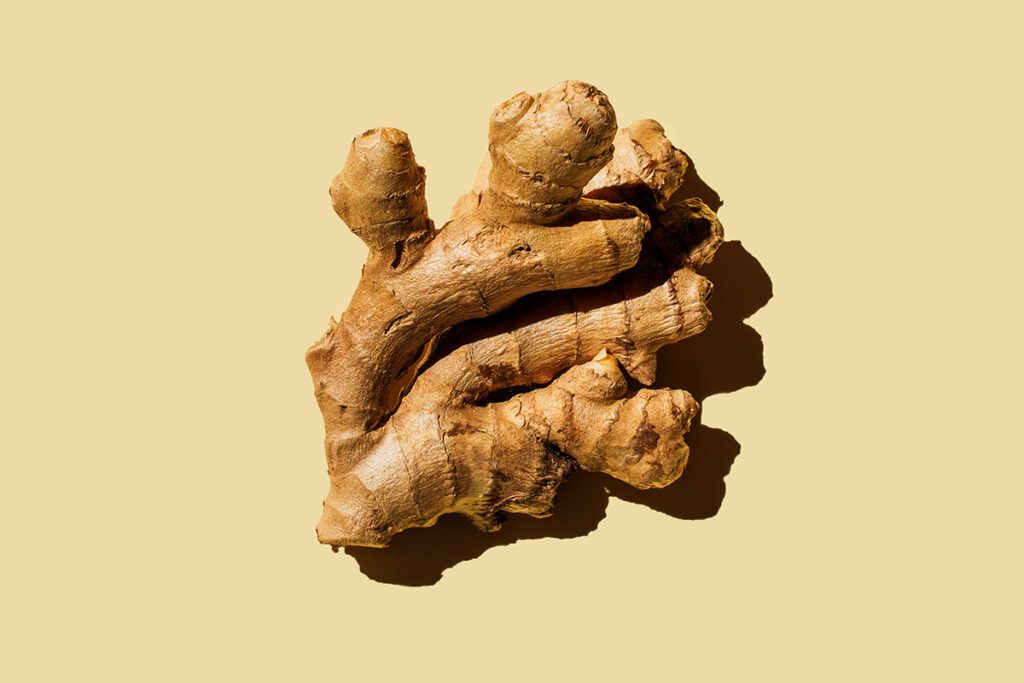
Ginger may be able to effectively treat digestive conditions, such as indigestion and constipation. It can also help with stomach pain and nausea.
A 2013 review suggests it can prevent and help treat stomach ulcers caused by NSAIDs and bacteria.
Still, much of the research surrounding the benefits of ginger in treating ulcers comes from animal studies, so further research is needed to measure its effectiveness in humans.
Some people use fresh ginger to help with digestive issues and treat stomach inflammation. You can eat it raw or add it to tea to soothe the stomach.

2. Probiotics
Probiotics are living organisms found in fermented foods that may help reduce the amount of H. pylori bacteria that causes stomach ulcers. They can help your body maintain healthy levels of microorganisms and improve your immune system response.
Fermented foods that contain probiotics include:
- yogurt
- kombucha
- buttermilk
- kimchi
- supplements
According to a 2016 review, they can also accelerate the healing process and reduce symptoms of gastric ulcers.
3. Cabbage juice
Cabbage juice is one of the most commonly used natural ulcer remedies. It’s rich in vitamin C and has antioxidant properties.
A 2021 study in mice suggests that cabbage juice could effectively restore the stomach’s mucosal lining and stop acid production from bacterial stomach infection and inflammation.
Newer research involving humans is still needed to determine the effect of cabbage juice on gastric ulcers.
4. Turmeric
Turmeric is a South Asian spice with anti-inflammatory properties. Its active ingredient, curcumin, can help increase the number of antioxidants in the body and reduce the risk of heart disease.
It may also alleviate gastric ulcers by protecting the stomach’s mucous lining and inhibiting the growth of H. pylori in the gut.
But research is still limited on the effects of turmeric on humans.
You should avoid taking turmeric if you are on anticoagulants (blood thinners), as high doses of turmeric can have a blood-thinning effect and increase the risk of dangerous bleeding.
5. Honey
Honey contains several natural health benefits and may be able to prevent the growth of the bacteria H. pylori, the most common cause of stomach ulcers.
A 2022 study in rats suggests that the antioxidant properties of honey can help alleviate ulcers caused by NSAIDs. They can also help decrease inflammation and lesions in the stomach. But more research is needed to indicate the correct dose of honey needed to help improve peptic ulcers in humans.
Some people use honey to relieve inflammation from ulcers by consuming 1–2 teaspoons or mixing it into warm water and drinking it.
6. Garlic
Garlic may reduce the risk of developing stomach ulcers and help accelerate your healing.
A 2022 study notes that garlic extract has protective mechanisms to prevent ulcers from forming due to its antibacterial and antioxidant properties.
A 2016 study suggests that eating two medium-sized cloves of garlic twice a day for 3 days reduced the growth of the H. pylori bacteria, one of the leading causes of stomach ulcers.
Healthcare professionals can prescribe it with other prescription drugs to treat bacterial gastric infections.

Free prescription coupons
Seriously … free. Explore prices that beat the competition 70% of the time.
Get free card7. Flavonoids
Flavonoids are compounds found in fruits and vegetables. They contain antioxidant properties that may help stomach ulcers.
Some fruits and vegetables that contain flavonoids include:
- apples
- grapefruits
- blueberries
- kale
- lettuce
- broccoli
Flavonoids can help produce more mucus in the stomach lining, which may help prevent ulcers and speed healing through anti-inflammatory and antibacterial properties.
8. Mastic
Mastic is the sap derived from the Mediterranean tree, Pistacia lentiscus. The gum can relieve stomach and digestive discomfort, and may also be able to help with ulcers.
A 2022 review suggests mastic can help kill H. pylori bacteria in people with peptic ulcers.
It’s available as a supplement and can be chewed and swallowed.
What foods and drinks should you avoid or limit when you have an ulcer?
Some food and drink can irritate your stomach if you have gastric ulcers. Consider avoiding or limiting the following:
- coffee
- fried foods
- alcohol
- carbonated drinks
- acidic foods, such as tomatoes and citric fruits
The American College of Gastroenterology notes that certain foods cannot cause an ulcer but can irritate your stomach and lead to pain. Keeping track of what foods worsen your symptoms may be helpful.
When should you contact a doctor?
If your stomach ulcers and pain aren’t disappearing and last more than a few days, you may need medication.
Consider speaking with a healthcare professional if you experience the following symptoms:
- sudden stomach pain that worsens
- tiredness
- breathlessness
- vomiting blood
- blood in your stool
- black tarry stools
Some medications that your doctor can prescribe to treat your stomach ulcers include:
- famotidine (Pepcid)
- sucralfate (Carafate)
- rabeprazole (AcipHex)
Summary
Stomach ulcers are painful sores that form in the lining of your stomach or upper intestine. An infection with H. pylori bacteria, overuse of NSAIDs, alcohol, or smoking can often cause them.
You may be able to relieve this pain with home remedies like ginger, honey, and turmeric.
Consider speaking with a healthcare professional if your symptoms don’t improve. They may suggest medications to help relieve your symptoms.
Download the free Optum Perks Discount Card to save up to 80% on some prescription medications.