


Arthritis in the knee can occur when the joint cartilage wears down and becomes inflamed. This is common among people older than 50 years, but younger people can also experience this. Knee arthritis can make everyday activities, such as walking and climbing stairs, difficult.
Exercise can help relieve symptoms of the two most common types of arthritis: osteoarthritis and rheumatoid arthritis. Both forms can result in knee pain.
Exercising can help:
- decrease pain levels
- lessen any stiffness
- reduce swelling
- increase mobility
Knee osteoarthritis affects about 19% of adults in the United States who are 45 years or older. Its prevalence has doubled since the 1950s, likely due to the increase in other conditions such as diabetes and high blood pressure.
You can do several exercises to improve your knee arthritis symptoms.
Exercises for knee arthritis
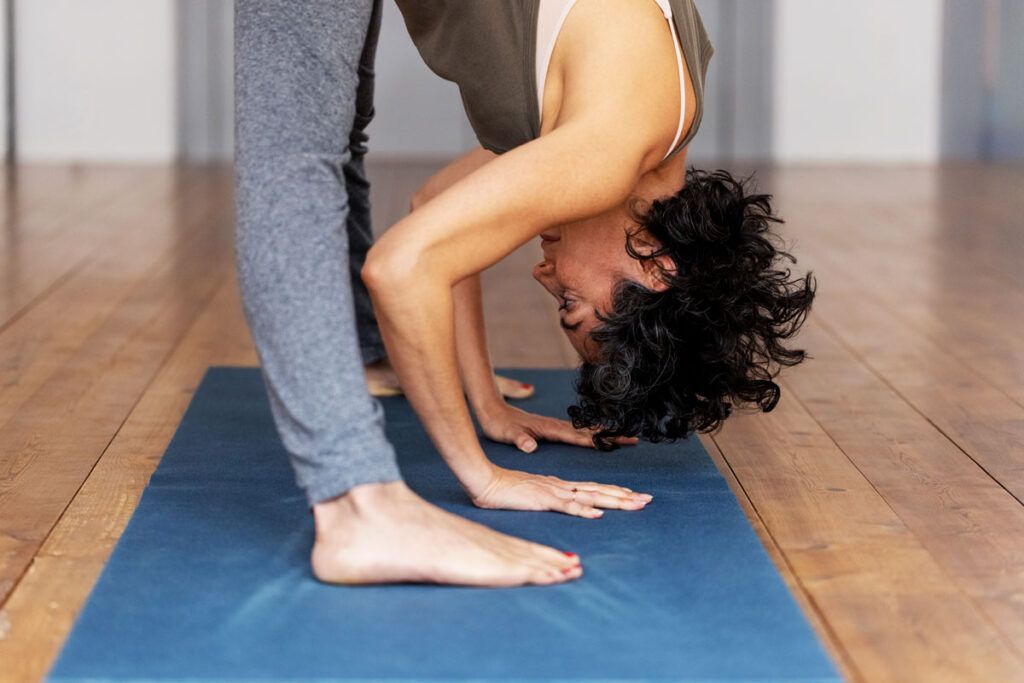
According to the Centers for Disease Control and Prevention (CDC), doing moderate exercise for about 150 minutes a week, or broken down into 30-minute sessions 5 days a week, can help with knee arthritis symptoms.
Examples of exercises that can help include:

1. Leg lifts
This is an easy exercise that you can do at home. Standing leg lifts can help improve your balance and strength. This can give you improved stability and strength and lead to less pressure on your knees.
To do this exercise, you should:
- Stand against a firm surface, such as a wall.
- Lift your leg sideways with your toes pointing forward. Try to avoid leaning on the wall.
- Lower your leg back down again.
- Repeat a couple of times in one leg, and increase repetitions as you become stronger.
- Follow the same steps for the other leg.
2. Leg slide
This exercise can also help with stability, balance, and strength building.
To do this exercise, you should:
- Stand straight, using the back of a chair or another stationary, firm object for support if required.
- While keeping your toes on the floor, slide one foot toward the back, until your buttocks feel tight.
- Slide your foot back to the front in the original position.
- Repeat a couple of times in one leg, and increase repetitions as you become stronger.
- Follow the same steps for the other leg.
3. Sit-and-stand motion
The sit-and-stand motion, also known as mini-squats, improves the strength of your leg muscles and the range movement of your knees.
- Stand straight, holding the back of a chair for support if needed.
- Bend your knees slowly to lower your body as if you were about to sit down.
- Tighten your buttocks as you lower your body.
- Come back up to your original standing position.
- Repeat a couple of times, increasing the number of repetitions gradually as you feel stronger.
4. Quad stretch
This exercise helps with strengthening your quadriceps, as well as your knee joints.
To do this exercise you should:
- Stand straight and hold the back of a chair or a stationary and firm object for support if needed.
- While keeping your knees bent and feet flat on the floor, take a step backward with one foot.
- Keep your buttocks tight, as you stretch your foot until you feel a stretch in your hip and thigh.
- Hold this position for 10 seconds and then release.
- Repeat the same steps for the other leg.
5. Knee strengthening
As its name indicates, this exercise strengthens the knee so the muscles surrounding it can hold better. This exercise can also reduce stiffness. This exercise is split into two parts, and you’ll need a resistance band.
Part 1:
- Sit on a chair and place a resistance band around your legs and above your ankles.
- Place one foot on the floor while stretching the other foot forward.
- Hold this position for 6 seconds.
- Let your foot down and relax.
- Repeat with the other leg.
Part 2:
- Sit on a chair and place a resistance band around your legs and above your ankles.
- Place 1 foot firmly on the floor and bend the other leg back.
- Hold this position for 6 seconds.
- Move your leg back to its original position and relax.
- Repeat for the other leg.
What exercises should you avoid?
Exercise is good for knee arthritis, but you should avoid certain types of workouts and movements. These include:
- running
- jogging
- jumping squats
- weightlifting
A healthcare professional such as a physical therapist, can work with you to determine the best exercises for your needs and condition.

Free prescription coupons
Seriously … free. Explore prices that beat the competition 70% of the time.
Get free cardOther treatment options
Exercise is an integral part of your knee arthritis treatment. But you should also combine it with other measures, such as medication, therapy, and lifestyle strategies, to get the best results.
Treatment options for knee arthritis include:
- Medications: Medications that can help reduce and relieve symptoms of knee arthritis include:
- over-the-counter (OTC) pain relievers such as acetaminophen (Tylenol)
- Nonsteroidal anti-inflammatory drugs (NSAIDs) such as naproxen (Aleve) and ibuprofen (Advil)
- pain-relieving creams and gels such as lidocaine (Aspercame)
- Physical therapy: For people with severe knee arthritis, physical therapy can help improve strength and range of motion.
- Surgery: Healthcare professionals may suggest surgery if all other treatment options don’t work to relieve your symptoms. Some procedures include cartilage grafting, knee osteotomy, and knee replacement.
If you need help covering the cost of medications, Optum Perks free Discount Card could help you save up to 80% on prescription drugs. Follow the links on drug names for savings on that medication, or search for a specific drug here.
Summary
Exercise is an integral part of your treatment when you have knee arthritis. But it’s important that you focus on low pressure and moderate exercises that improve the following:
- strength in the muscles surrounding your knee
- stability
- balance
- overall flexibility
- range of motion
You can do several easy exercises at home to help with knee arthritis symptoms. Consider speaking with a healthcare professional to identify which exercise routines and movements will best suit your needs.