


Ketones are molecules the liver produces when the body breaks down fat for energy. This often occurs when glucose is scarce, such as during periods of fasting, when following a low carbohydrate diet, or in people with diabetes.
“High levels” of ketones refer to an increased concentration of ketone molecules in the bloodstream and urine. It can occur when your carbohydrate intake is low, leading the body to look for other sources of energy — in this case, fat.
A small amount of ketones in the urine is typically not a cause for concern, as it can be a natural part of the body’s energy utilization process. But when the production of ketones becomes excessive, it may indicate ketosis or ketoacidosis.
What causes high levels of ketones in the urine?
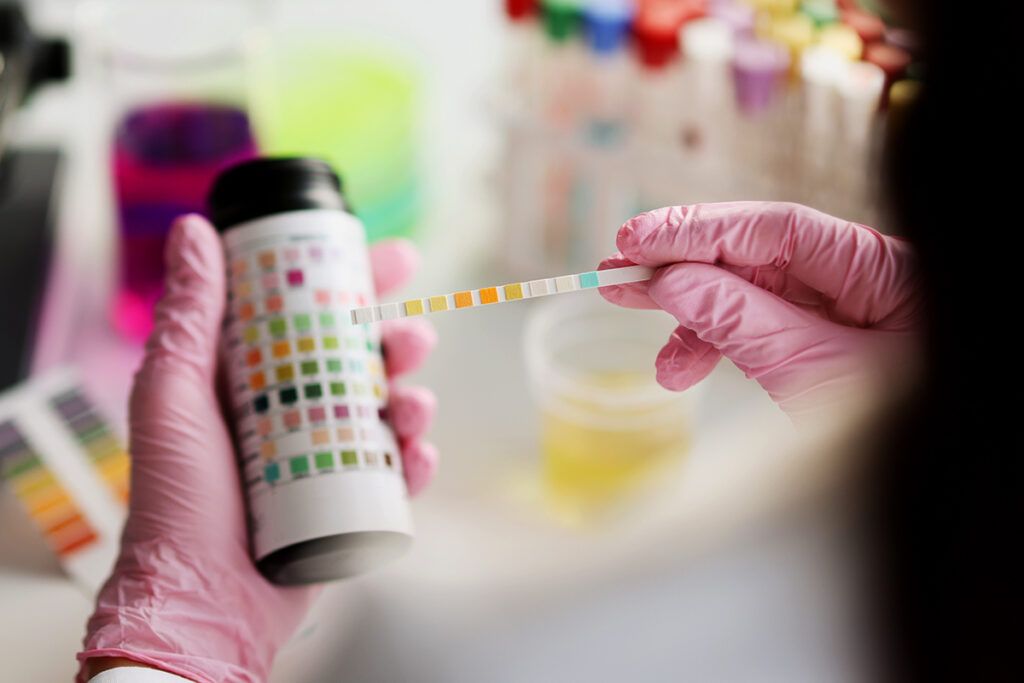
High levels of ketones in urine may indicate:
Diabetic ketoacidosis (DKA)
DKA is a serious complication of diabetes, particularly type 1. It occurs when the body doesn’t have enough insulin to use glucose properly, leading to high blood sugar levels. As a result, the body starts breaking down fat for energy, producing excess ketones in urine and blood.
Symptoms of diabetic ketoacidosis may include:
- excessive thirst
- frequent urination
- nausea
- vomiting
- mental confusion
- poor coordination
- fruity-smelling breath
DKA is a medical emergency.
Treatment typically involves insulin therapy to lower blood sugar and stop ketone production:
- short-acting insulin given as an intravenous (IV) infusion, such as Humulin R, which lasts up to 6 hours
- rapid-acting insulin, such as lispro (Humalog) and aspart (Novolog), which last up to 2 hours.
A doctor may also administer IV fluids to manage dehydration and electrolyte imbalances.

Starvation or fasting
Prolonged periods of fasting or severe calorie restriction may cause the body to break down fat for energy, leading to increased ketone production. The longer the calorie restriction or fasting, the more ketones.
Symptoms of ketone production during severe calorie restriction include:
- increased hunger
- moderate to severe fatigue (low energy)
- weakness
- muscle loss
- dizziness
- keto breath
In cases of voluntary fasting, ending the fasting period and gradually reintroducing nutrients is the best management plan.
In cases of unintentional starvation, medical intervention is necessary to manage underlying causes and provide proper nutrition.
Ketogenic diet
Adopting a ketogenic diet may lead to nutritional ketosis, where the body uses ketones for energy instead of glucose. Ketosis induced by diet is generally safe for short periods of time and may not cause noticeable symptoms in everyone.
Possible symptoms include:
- mild fatigue
- changes in appetite
- keto breath
You don’t need any specific treatment, as ketosis is often a desired effect of ketogenic diets. Still, staying well-hydrated and ensuring balanced nutrient intake is important. Working with a nutritionist and consulting a healthcare professional is recommended. Keto diets are not recommended for everyone.
Alcohol use
Long-term or excessive alcohol consumption can disrupt metabolism, increasing ketone production in urine or blood.
Symptoms of alcoholic ketoacidosis may include:
- rapid heart rate
- agitation
- nausea and vomiting
- increased urination
Treating alcohol use disorder involves psychotherapy, support groups, and sometimes medications such as disulfiram (Antabuse) or naltrexone.
Glycogen storage disorders
Rare genetic disorders affecting glycogen metabolism may lead to reduced glucose availability, forcing the body to produce ketones for energy.
Symptoms vary based on the specific disorder but may include:
- muscle weakness
- low blood sugar
- an enlarged liver
Treatment involves specialized diets, sometimes including continuous IV glucose infusions, and management of specific symptoms.
If you need help covering the cost of medications, the free Optum Perks Discount Card could help you save up to 80% on prescription drugs. Follow the links on drug names for savings on that medication, or search for a specific drug here.

Free prescription coupons
Seriously … free. Explore prices that beat the competition 70% of the time.
Get free cardWhen are ketones in the urine a medical emergency?
Ketones in urine can become a medical emergency when their levels are significantly high, indicating diabetic ketoacidosis. DKA may result in dangerously acidic blood pH, dehydration, and potential organ damage.
If you suspect you have high ketone levels, these steps are recommended:
- Checking blood sugar: Measure your blood sugar levels using a glucose meter if you have one available.
- Hydrating: Drinking plenty of water, although slowly, helps flush out excess ketones and prevents dehydration.
- Continuing insulin and medications: If you have diabetes, continue taking your insulin and other prescribed medications as directed by a doctor.
- Avoiding strenuous activity: Refrain from strenuous physical activities that involve exhaustion and sweating.
- Seeking medical help: Contact a doctor or visit the nearest emergency room. If available, inform them about your diagnosis, suspected increased ketone levels, specific symptoms, and blood sugar levels.
When to test for ketones in the urine
Consider regularly testing for ketones in urine if you live with:
- type 1 or 2 diabetes, particularly if you’re feeling ill
- gestational diabetes (diabetes when pregnant)
- have had increased ketones in the past
- have symptoms of DKA
- have tested over 250 mg/dl for blood sugar
If you follow a ketogenic diet, it may also be a good idea to routinely test for ketones in your urine.
Summary
Ketones are molecules produced when the body metabolizes fat for energy, typically when glucose levels are low. Small amounts of ketones in urine aren’t always a cause for alarm.
However, excessive production of ketones accompanied by other symptoms such as nausea, high blood sugar, and confusion might indicate a medical emergency, such as diabetic ketoacidosis.
Consider testing your urine for ketones regularly or as advised by a doctor if you have type 1 or 2 diabetes, gestational diabetes, or currently follow a ketogenic diet.
Download the free Optum Perks Discount Card to save up to 80% on some prescription medications.