


Key takeaways
- Stopping statins without a doctor’s advice can lead to increased cholesterol levels and raise the risk of heart attack or stroke, especially for those with a history of cardiovascular issues.
- Doctors may recommend gradually reducing the statin dose, known as tapering, or switching to alternative cholesterol-lowering medications if side effects are bothersome.
- Even if cholesterol levels improve with statins, abruptly discontinuing them could cause a rebound effect, so maintaining a stable dosage is generally recommended unless otherwise directed by a healthcare provider.
Overview
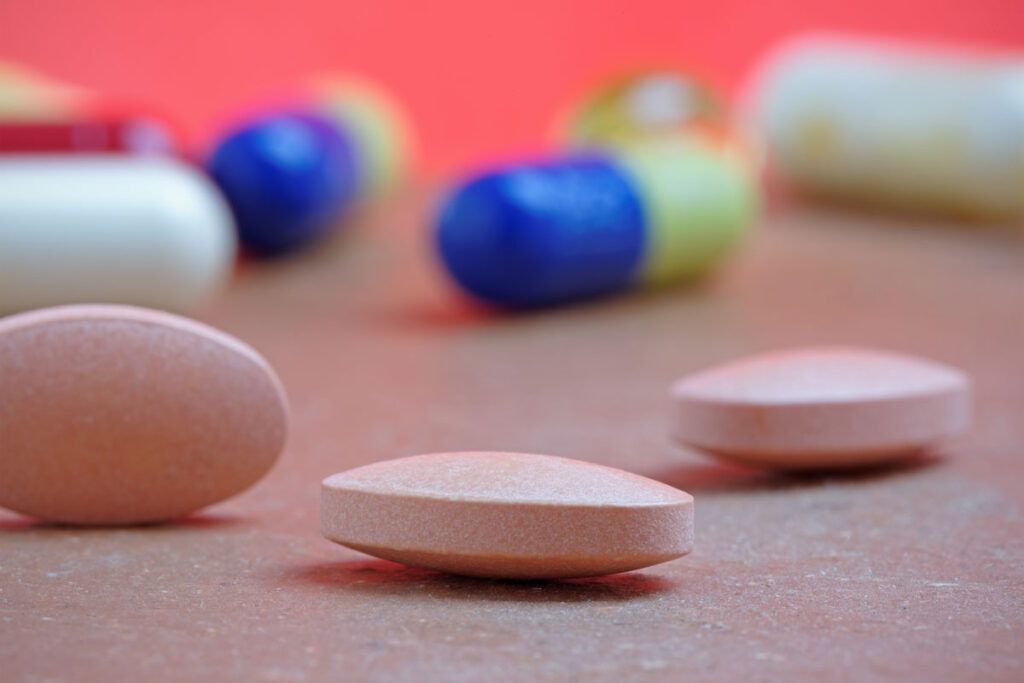
Statins are prescription medications that help lower cholesterol levels in your blood. They work by slowing or stopping the action of an enzyme involved in making cholesterol.
Statins can significantly reduce the risk of cardiovascular events resulting from high cholesterol, such as heart attack and stroke. Depending on your medical history, risk factors, and lifestyle habits, you may need to take statins for the rest of your life.
Stopping statins suddenly may negatively affect your health, especially if you have a history of heart attack or stroke. So, it’s important to talk with your doctor before you make any changes in your statin dosage.
Depending on your risk factors, your doctor may suggest a plan for safely reducing your statin dose over time. This process is called tapering. Or your doctor may prescribe a different cholesterol-lowering medication that works well for you.
—————-
Need a diagnosis or prescription quickly? Optum Perks offers personalized on-demand care in as little as 15 minutes. For $39, answer a few questions online and receive a diagnosis and treatment plan from a US-licensed healthcare professional. Get started here.

What are the side effects of stopping statins suddenly?
Stopping statins suddenly may cause certain side effects. These can vary depending on many factors, such as:
- how long you have been taking statins
- your age
- whether you have other health conditions
- other possible risk factors you may have
Commonly prescribed statins include:
- atorvastatin (Lipitor)
- simvastatin (Zocor)
- lovastatin (Mevacor)
- rosuvastatin (Crestor)
- pravastatin (Pravachol)
- fluvastatin (Lescol)
If you stop taking your statin medication all of a sudden, there’s the risk of experiencing a rebound effect. This causes cholesterol levels to increase beyond safe ranges, often within a few weeks. This increase in cholesterol may be very high if you’ve been taking statins for an extended period of time.
If you have a history of cardiovascular events, stopping statins may increase the risk of complications, such as heart attack, stroke, and other cardiovascular problems.
In fact, some 2024 research suggests that statin withdrawal likely leads to greater rates of negative cardiovascular outcomes within the first year of stopping the medication.
Some other 2024 research finds that even a short interruption in statin therapy of two weeks in people with myocardial infarction can lead to a heightened likelihood of inflammation in the body.
Medical experts highly recommend working with a healthcare professional before changing your statin dosage or discontinuing your medication.
————-
If you need help covering the cost of medications, the free Optum Perks Discount Card could help you save up to 80% on prescription drugs. Plus, you can now get them delivered to your home in as little as 3 days. Search for your medication here.

Free prescription coupons
Seriously … free. Explore prices that beat the competition 70% of the time.
Get free cardDo you need to taper off statins?
Whether you need to taper off statins depends on various factors, including your medical history, specific medication and dosage, and current health conditions.
Healthcare professionals often suggest gradual tapering, which allows your body to adjust to the lower dose while minimizing potential negative effects. They may want to closely monitor your cholesterol levels to ensure they remain within a desired range.
Can you stop taking statins once your cholesterol levels go down?
Doctors rarely recommend stopping statins when cholesterol levels show improvement. Instead, they may recommend a maintenance dose to help keep these improvements steady.
Blood cholesterol levels may keep changing due to different factors. Stopping statins abruptly could lead to a rebound effect, which may increase your risk of a heart attack or stroke.
Sometimes, doctors may recommend stopping statins. This depends on the duration and how consistently your cholesterol levels remain in the healthy range. If your doctor determines it’s safe to stop taking statins, they will create a plan to help you wean off the statin gradually over time.
Other medications for high cholesterol
If your statin medication is causing bothersome side effects, your doctor may suggest other medications to help lower your cholesterol. Some alternatives include:
- Ezetimibe (Zetia): Ezetimibe is a cholesterol absorption inhibitor that reduces the amount of cholesterol absorbed by the intestines. Possible side effects include stomach pain, diarrhea, and fatigue.
- PCSK9 inhibitors: These injectable medications reduce the low-density lipoprotein (LDL) cholesterol by increasing the liver’s ability to remove it from the blood. Examples include evolocumab (Repatha) and alirocumab (Praluent). The most common side effects include injection site reactions, flu-like symptoms, and a stuffy nose.
- Bile acid sequestrants: These medications bind to bile acids in the intestines, reducing cholesterol levels. Examples include colesevelam (Welchol) and cholestyramine (Questran). Possible side effects include constipation, bloating, and stomach discomfort.
- Fibrates: These medications increase the breakdown of triglycerides and reduce their production in the liver, which helps lower their levels and raise “good” cholesterol. Common examples include fenofibrate (Tricor) and gemfibrozil (Lopid). Possible side effects include muscle pain and stomach upset.
Online care for high cholesterol
Suddenly stopping taking your medications can have serious side effects. Even just skipping statins for a week can make your treatment less effective. It’s important to make sure you get a refill of your medication when you need it.
Online care services, including Optum Perks Online Care, may make getting treatment easier. With these services, you can submit an online form answering a few questions about your symptoms, and a US-licensed healthcare professional will respond soon after to prescribe a treatment plan.
Summary
If you want to stop taking statins, it’s important to do so only under medical guidance. You may think you can stop taking statins after your cholesterol levels improve. But suddenly discontinuing statin medication may cause a rebound effect. This effect can cause your cholesterol levels to increase beyond a safe range in a short period of time.
Stopping statins without careful medical guidance may potentially increase the risk of a heart attack, stroke, and other complications. This is especially the case if you have a history of cardiovascular disease.
In some instances, your doctor may consider lowering your statin dose or gradually decreasing your dosage to allow your body to adjust.
Another option is to take a different type of cholesterol-lowering drug. Each type of medication has its benefits and potential side effects. That’s why it’s important to discuss the different drug options with your doctor. Together you can make an informed decision about which one may be best for you.
—————
Download the free Optum Perks Discount Card to save up to 80% on many prescription medications. Plus, you can now get them delivered to your home in as little as 3 days. Search for your medication here.