


PsA is a chronic autoimmune condition that causes pain, stiffness, and swelling of the joints. The condition can progress and worsen. But an early diagnosis can help prevent permanent damage to the joints.
Over 8 million people in the United States have psoriasis, and 30% develop PsA. It most commonly develops between the ages of 30 and 50. There’s no cure for PsA, but an early diagnosis can help manage the condition.
This article covers the early warning signs of PsA and treatment options.
1. Joint swelling
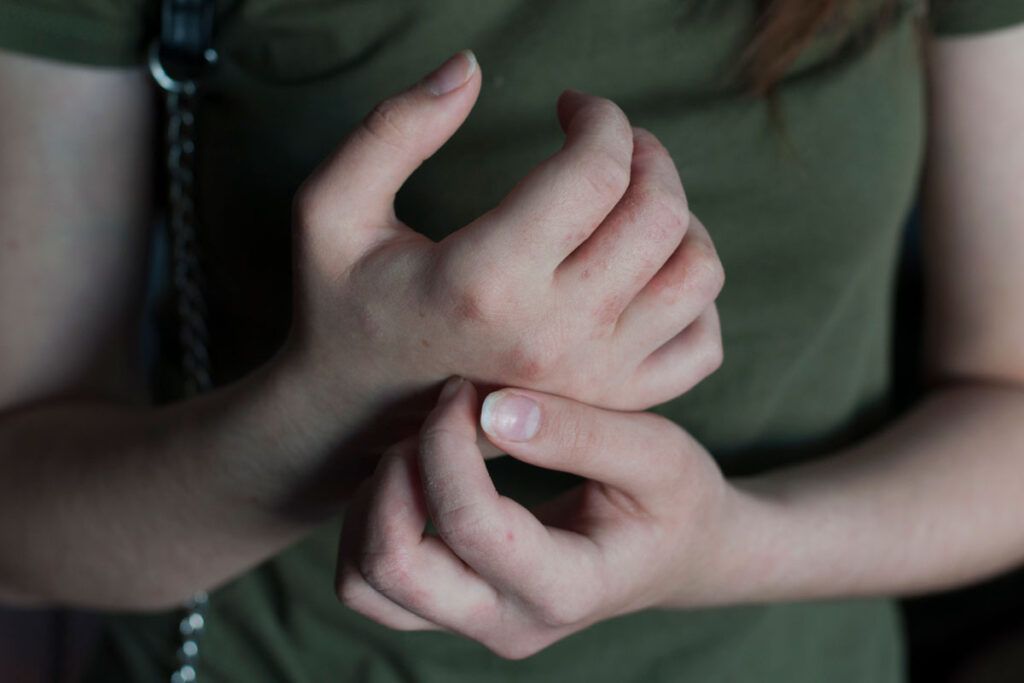
Swollen joints are a common early symptom of PsA, and 30–50% of people with the condition have joint inflammation. The swelling can affect the following:
- fingers
- toes
- wrists
- neck
- shoulders
- back
- elbows
- knees
- ankles
2. Skin irritation
In PsA, the immune system mistakenly attacks healthy skin tissue. This can cause skin lesions, which may appear discolored or as scaly patches or plaques.
PsA patches may be itchy and painful. They tend to present on skin folds around your knees, elbows, naval, and scalp but can appear anywhere.

3. Fatigue
Fatigue is a common symptom of PsA. According to a 2020 study, the severity of fatigue depended on the severity of pain and inflammation of the joints.
4. Swelling of the fingers and toes (dactylitis)
People with PsA may experience swelling of the fingers and toes, which turn into a sausage-like shape. This is known as dactylitis.
Dactylitis occurs in 16–49% of people with PsA. It’s one of the first symptoms of PsA, and it can affect several fingers or toes at the same time.
5. Enthesitis
Enthesitis is inflammation in the site where your tendons and ligaments attach to your bones. Enthesitis happens in around one-third of people with PsA and is one of the condition’s early symptoms.
Examples include inflammation of the Achilles tendon at the back of the heel and plantar fasciitis at the bottom of the heel.
6. Nail issues
People with PsA will experience issues with their nails, such as ridged or detached nails, pitting, and crumbling. Nails may also appear rough with discoloration, which may resemble nail fungus. In the latter case, a doctor may take a nail sample to rule out fungal infection.
According to a 2017 study, up to 80% of people with PsA experience nail problems.
7. Morning stiffness
Joints can become stiff and impair movement — particularly in the mornings — in people with PsA. It can cause stiffness throughout the body, including in the lower back.
This morning stiffness can last from 30 minutes to several hours.
8. Eye issues
PsA can affect your eyes through uveitis or inflammation of the front of your eye.
About 5% of people with PsA have uveitis. This condition is inflammation of the eye’s middle layer. And it can cause pain, blurred vision, sensitivity to light, and redness in the white of the eye.
Other eye conditions that can appear in people with PsA are:
- dry eye
- conjunctivitis
- glaucoma
How can PsA be treated?
Early diagnosis and management of PsA can slow the progression of the disease and may help prevent permanent joint damage. Treatment for PsA may involve:
- over-the-counter (OTC) pain relievers, such as ibuprofen
- corticosteroids, including prednisolone
- biologic therapies
- disease-modifying antirheumatic drugs (DMARDs), such as methotrexate, leflunomide, sulfasalazine, and apremilast
- activity and diet adjustments
- joint repair surgery
If you need help covering the cost of medications, Optum Perks’ free Discount Card could help you get up to 80% off prescription medication. See how much you can save on your medication here.

Free prescription coupons
Seriously … free. Explore prices that beat the competition 70% of the time.
Get free cardHow is PsA different from other types of arthritis?
PsA is a type of arthritis that develops in people with psoriasis. Involvement of the skin and other tissues in the autoimmune response is a key differentiator between PsA and other types.
For example, PsA and rheumatoid arthritis share similar symptoms and treatments. But both conditions have key differences, such as:
- the areas where symptoms appear, whether they affect one or both sides of the body, and
- their prevalence depending on sex assigned at birth
Summary
PsA is a chronic autoimmune condition in which your immune system mistakenly attacks healthy cells. The condition mainly affects your joints and skin, but it can also affect other organs, such as your eyes.
Some early signs of PsA include joint swelling and stiffness, as well as nail problems, eye issues, and fatigue.
PsA doesn’t have a cure. But an early diagnosis and treatment can help slow the condition’s progression and prevent permanent damage to your joints.