


Travel anxiety is common and can be a result of the worry and uncertainty of visiting a new place. This particular anxiety can sometimes stem from a phobia, such as a fear of flying or visiting an unfamiliar place. It can lead to the individual feeling an intense feeling of anxiety that isn’t proportionate to the situation.
Some people may also feel overwhelmed before the trip, which can affect their overall well-being. The National Institute of Health reports that around 12.5% of American adults have experienced some kind of phobia in their lives.
There are several ways you may be able to manage your fear of traveling, such as identifying any triggers to ensure you have coping mechanisms in place. An example could include practicing mindfulness techniques before your trip.
Symptoms
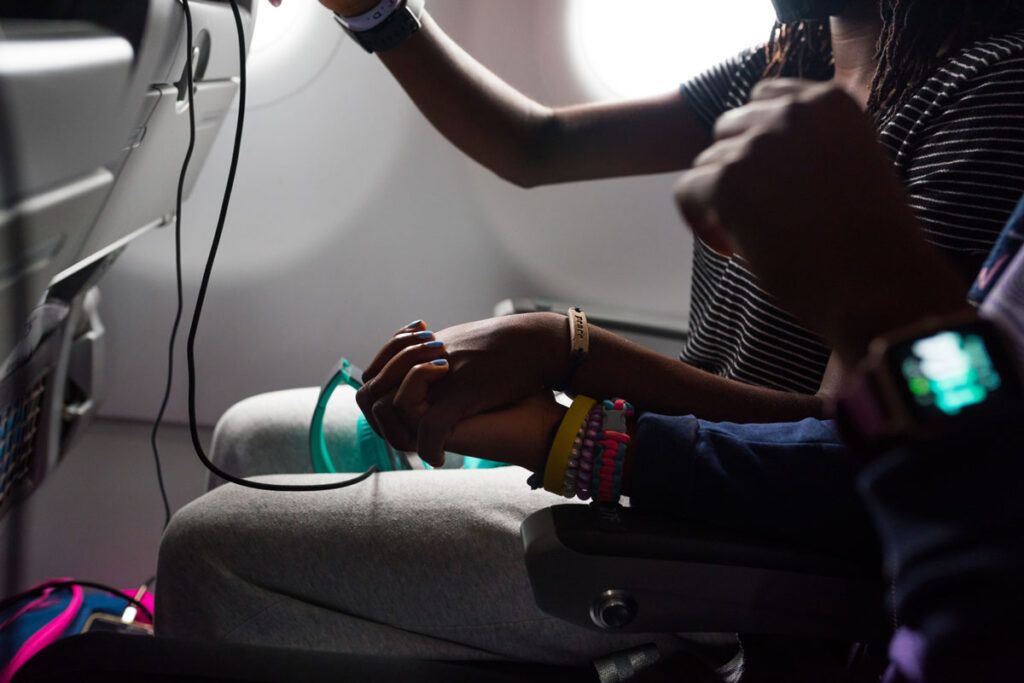
Travel anxiety can arise before or during your trip. It can often lead to feelings of overwhelm and result in symptoms such as:
- increased heart rate (tachycardia)
- nausea
- irritability
- panic attacks
- diarrhea
- restlessness
- trouble sleeping before your trip
Causes
Many people feel anxious before going on a trip. However, some people may feel a heightened sense of fear and worry, which can develop into a phobia. The National Institute of Mental Health defines a phobia as an intense fear of — or aversion to — specific objects or situations. This can often mean that a person’s fear isn’t proportionate to the situation.
There are several reasons someone may experience intense anxiety about traveling. These include:

Stress from planning a trip
Planning a trip can often cause high levels of stress and feel overwhelming. A person may feel stressed about figuring out all the details of their trip, such as:
- finding and booking accommodation
- identifying a route to and from the airport, if their trip involves flying
- getting to their destination on time
- filling out travel documentation
Short periods of travel, such as commuting to work, may also cause some people to feel anxious. A 2017 study exploring the effect of commuting to work on your health found that time-related stressors can lead to a decline in your mental health.
Fear of flying
The fear of flying, also known as aerophobia, is thought to affect around 1 in 10 of the population, although this figure may actually be much higher. Anxiety UK categorizes the phobia of flying into two groups:
- anxiety about being unable to control your emotions in front of other passengers on the flight
- fear of external factors, such as bad weather or a mechanical problem with the plane
Worry about visiting a new place
Many people may feel nervous or anxious about visiting a new place and being unsure of what to expect. This feeling can be heightened by several factors, such as:
- a fear of getting lost in an unfamiliar place
- a fear of becoming ill while away from home
- jetlag
- having to find places on your itinerary, such as your hotel or other places you plan to visit
- not knowing the local language
If you are worried that travel anxiety is affecting your day-to-day life, consider speaking with a healthcare professional who can help identify a suitable treatment plan.
Diagnosis
Travel anxiety is not an official diagnosis. However, a healthcare professional may instead consider a diagnosis of a social phobia disorder.
The National Institute of Health (NIH) lists the diagnostic criteria for social phobia as:
- A persistent fear of one or more social situations involving possible scrutiny by others. You may also feel as though you may act in an embarrassing way.
- The idea of being exposed to this situation causes anxiety, such as a panic attack.
- You understand that the fear is unreasonable and not proportionate to the situation itself.
- You avoid these situations or endure them under intense anxiety.
- This avoidance or phobia interferes with your everyday routine, relationships, or activities, such as work. Or you experience distress about having the phobia itself.
- You have anxiety for 6 months or more.
Treatment
Travel anxiety can be treated in several ways, such as medication options, psychotherapy, and relaxation techniques that can help you manage your symptoms before and during travel.
Psychotherapy
Psychotherapy, often called talk therapy, can help you identify and deal with certain thought patterns and emotions. This treatment can help you address phobias, such as a fear of flying.
Specific types of therapy, such as cognitive behavioral therapy (CBT), can help provide you with strategies to reduce your fear and anxiety levels when it comes to flying.
For some people, exposure therapy may also help address anxieties while traveling. This treatment method works by providing you with the techniques and skills you need to overcome your fear and reduce avoidance tendencies.
Consider speaking with a healthcare professional to help identify which therapy treatment method may be most suitable for you.
Medication
A healthcare professional may prescribe anti-anxiety medication that can help with flight anxiety, such as:
- fluvoxamine (Faverin)
- citalopram (Celexa)
- escitalopram (Lexapro)
- paroxetine (Paxil)
————-
If you need help covering the cost of medications, the free Optum Perks Discount Card could help you save up to 80% on prescription drugs. Plus, you can now get them delivered to your home in as little as 3 days. Search for your medication here.

Free prescription coupons
Seriously … free. Explore prices that beat the competition 70% of the time.
Get free cardRelaxation techniques
Relaxation techniques may also help you manage symptoms of travel anxiety, such as restlessness or panic attacks.
Examples include:
- meditating
- deep breathing, which can help prevent hyperventilation or panic attacks
- progressive muscle relaxation to decrease any tension in the body
It may be helpful to practice these techniques before taking the trip to ensure you know how to calm your nerves during this situation.
Summary
Travel anxiety can be due to the fear of visiting a new place or flying. For some people, a heightened sense of anxiety can occur, which may develop into a phobia of traveling.
It can result in symptoms such as panic attacks and trouble sleeping before the trip. Anxiety UK reports that 1 in 10 of the population has a fear of flying.
Several forms of treatment may help you manage your anxiety before traveling. This includes anti-anxiety medications that can be prescribed by a healthcare professional and practicing relaxation techniques before your trip, such as deep breathing exercises and meditation.
If you are concerned that travel anxiety is interfering with your day-to-day life, consider speaking to a healthcare professional who can help suggest a suitable treatment plan for you.
—————
Download the free Optum Perks Discount Card to save up to 80% on many prescription medications. Plus, you can now get them delivered to your home in as little as 3 days. Search for your medication here.