


Tea is a beverage prepared by pouring hot or boiling water over cured or fresh leaves of the tea plant (Camellia sinensis). After water, it is the most popular drink in the world.
Whether you drink black tea, green tea, or one of the many other varieties, studies show that it can help lower your blood pressure, as well as provide additional health benefits.
Lowering your blood pressure can reduce the strain on your heart, make plaque less likely to form in your arteries, and help protect you from cardiovascular disease (CVD), stroke, and kidney failure.
How does drinking tea lower your blood pressure?
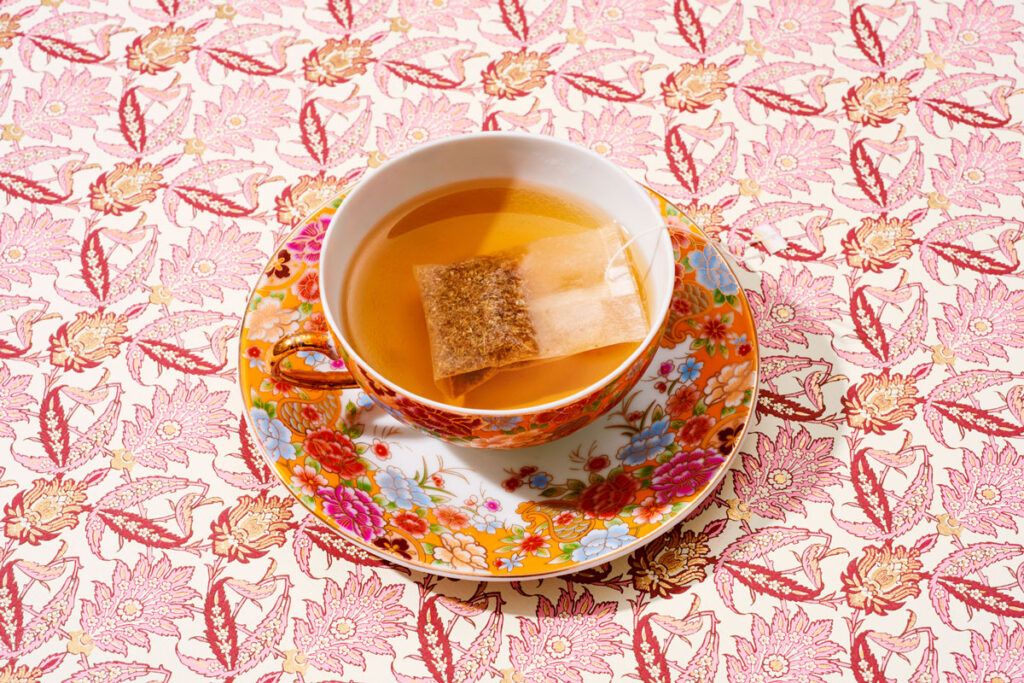
Although tea contains caffeine, which causes a short-term increase in your blood pressure, this effect is usually short term.
The caffeine in tea does not increase blood pressure as much if you drink it with a meal, or you may prefer to drink decaffeinated tea.
A 2019 review reported that most studies show that drinking tea helps lower your blood pressure.
One study published in 2023, with over 76,000 participants, showed that drinking tea can reduce the risk of hypertensive blood pressure — high blood pressure — by as much as 10%.
The results from many of the studies suggested that the longer you drink tea, the more beneficial its effects become.
Tea contains several compounds that play a part in reducing blood pressure. These include:
- polyphenol flavonoids (like catechins)
- amino acids (like theanine)
- other polyphenols (like tannic acid)
These compounds help lower your blood pressure and reduce your risk of CVD by:
- relaxing the smooth muscle (endothelium) that lines your blood vessels
- reducing vascular inflammation
- enhancing the vasodilatory (dilation of the blood vessels) activity of nitric oxide
- inhibiting the activity of vasoconstrictors, which narrow blood vessels
- reducing antivascular oxidative stress
Several studies have shown that drinking tea has links to additional benefits, including:
- a lower risk of developing some types of cancer
- a boost to antibacterial and antiviral activity
- improved weight management
- cognition improvements in older people
While this is encouraging, scientists require further research before fully understanding tea’s effect on lowering blood pressure.

Can hibiscus tea help?
Hibiscus tea, also known as sorrel or sour tea, is a herbal infusion made from the flowers of Hibiscus sabdariffa. It may be one of the best drinks for lowering your blood pressure.
A 2022 review of 17 studies showed that regularly drinking hibiscus tea can be as effective as some medications for reducing blood pressure.
The analysis also showed that hibiscus can significantly lower your low-density lipoprotein cholesterol. This would reduce your risk of CVD even further.
It may act as an angiotensin-converting enzyme inhibitor or a diuretic and have a vasodilatory effect. All of these could help lower your blood pressure. However, scientists require further research before they can determine hibiscus tea’s most effective dose and its exact methods of action.
Does it make a difference if you add sugar?
The American Heart Association recommends that males have no more than nine teaspoons of added sugar per day and that females have no more than six to look after their cardiovascular health.
That includes:
- sucrose
- fructose
- maltose
- cane sugar
- raw sugar
- molasses
- corn sweetener
- syrup
- honey
- fruit juice concentrates
If you are concerned about your blood pressure, you may wish to avoid sugary drinks. It may increase your blood pressure and interfere with any health benefits you hope to get from tea.
However, studies suggest that if you add milk to your tea, it can still lower your blood pressure.
Should teas be used in conjunction with medications?
In the event your blood pressure becomes too low, it is always best to speak to a doctor before trying to lower your blood pressure with home remedies.
This is particularly true if you already take medication to manage your blood pressure.
Common medications for managing low blood pressure include midodrine (Orvaten) and fludrocortisone (Astonin).
Learn more about managing high blood pressure here.
————-
If you need help covering the cost of medications, the free Optum Perks Discount Card could help you save up to 80% on prescription drugs. Plus, you can now get them delivered to your home in as little as 3 days. Search for your medication here.

Free prescription coupons
Seriously … free. Explore prices that beat the competition 70% of the time.
Get free cardHow to stay safe
The Food and Drug Administration (FDA) reports that over 100 million adults in the United States have high blood pressure, but only half effectively manage the condition.
Therefore, it is important to check your blood pressure regularly. This is because you may not be aware of any issues until experiencing complications. For example, high blood pressure increases your risk of heart disease, heart failure, and stroke.
The National Heart, Lung, and Blood Institute (NHLBI) also warns that you may not notice having low blood pressure.
You may wish to talk with a doctor if you have concerns about your blood pressure or how to check it regularly.
Summary
There is encouraging evidence that drinking tea can lower your blood pressure. There also appears to be a link between drinking hibiscus tea and reducing blood pressure.
However, scientists need to carry out more research before you can rely on tea — including hibiscus tea — to treat high blood pressure.
You may not know whether you have an issue with your blood pressure unless you check it regularly. It is also possible for your blood pressure to be too low, so it is best to talk with a healthcare professional before trying to lower it.
—————
Download the free Optum Perks Discount Card to save up to 80% on many prescription medications. Plus, you can now get them delivered to your home in as little as 3 days. Search for your medication here.