


Some cholesterol is essential for good health. Yet — as noted by the American Heart Association (AHA) — too high levels in the blood can increase your chance of developing heart disease.
Cholesterol treatment often consists of prescription medication alongside lifestyle strategies like a nutrient-dense diet and regular physical activity. You may also want to explore whether supplements would help you reduce cholesterol levels and associated health risks.
Supplements to lower LDL and triglycerides
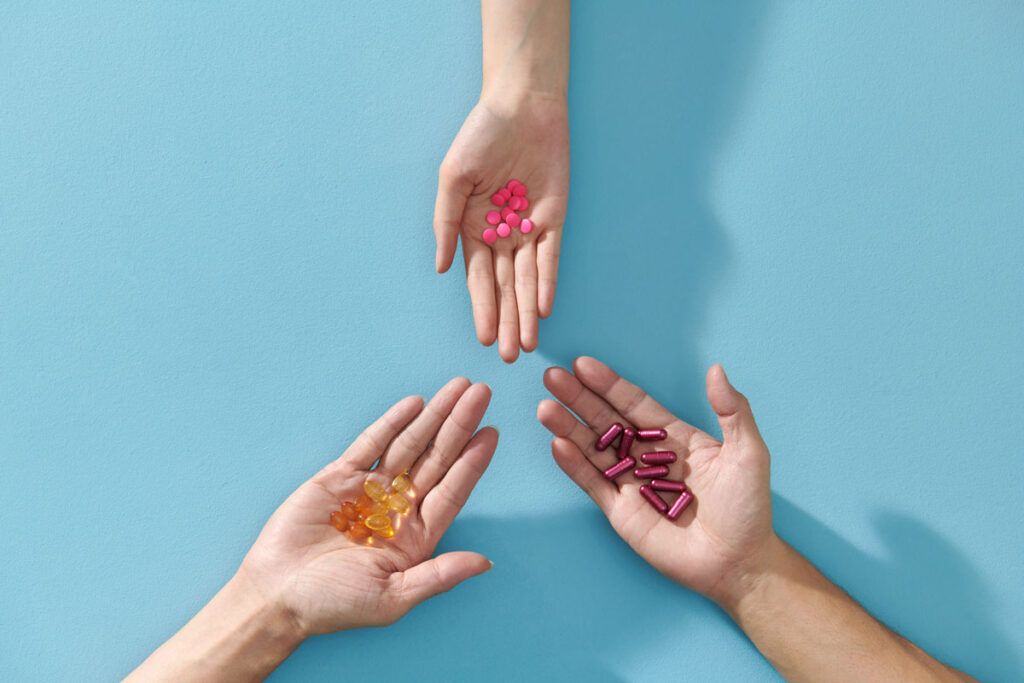
Some supplements have shown potential for lowering LDL (low-density lipoprotein) cholesterol and triglyceride levels. LDL is sometimes called the “bad cholesterol” because it has the potential to build up and block your arteries.
Still, some supplements interfere with the absorption of medications and may also lead to side effects, especially if you are not deficient in those nutrients.
Discussing supplement intake with a healthcare professional is highly encouraged to prevent toxicity and adverse effects.
Plant sterols
Plant sterols, or phytosterols, are compounds similar to cholesterol found in low levels in foods like fruits, vegetables, nuts, and seeds.
A 2021 review explains that plant sterols compete with cholesterol for absorption in the intestines and limit cholesterol production in your body. This may lead them to help reduce cholesterol absorption into the bloodstream. As a result, LDL and total cholesterol levels may decrease when you add these supplements to your routine.
To increase your intake, you can try fortified products like spreads and certain dairy and cereal products. Phytosterols are also available in supplement form.
Fiber
You can get fiber from various sources, like fruits and vegetables, wholegrain cereal foods, nuts, seeds, and supplements.
A 2019 review indicated that there is strong evidence that fiber can assist you in reducing LDL and total cholesterol levels by lowering cholesterol absorption in the gut and slowing its production in the body. This is particularly true if you implement other management strategies like a nutrient-dense diet and regular physical activity.

Zinc
Zinc is a mineral that plays a vital role in various bodily functions, including cell signaling, inflammation, and cholesterol metabolism.
A small 2022 study in 96 adults identified a link between low blood zinc levels and elevated LDL, particularly in females.
Similarly, a 2018 review suggested that zinc supplements may help reduce LDL cholesterol, possibly by increasing cholesterol metabolism.
But research on the link between zinc and cholesterol is limited, and more studies are needed to establish the efficacy of zinc as a supplement for cholesterol management.
Selenium
Selenium, another essential mineral, has long been associated with heart health.
Studies, including a review from 2021, have suggested that selenium supplements may have a positive effect on cholesterol levels, particularly in individuals with low selenium levels.
But more research is required to determine its effectiveness, especially in the general population.
Inositol
Inositol is a sugar produced naturally in your body. It is also found in certain foods, including fresh fruits, vegetables, nuts, and legumes. You may find it in supplement form as myo-inositol and D-chiro-inositol.
A 2018 meta-analysis of 14 studies notes that taking inositol supplements may decrease your triglycerides, total cholesterol, and LDL cholesterol levels. This is particularly so if you live with metabolic disorders like diabetes and high cholesterol.
Still, the review authors highlighted the need for further research on the link between inositol supplements and cholesterol.
Garlic
Garlic is an herb often used in cooking — plus, it’s been studied for its potential cholesterol-lowering effects.
A 2017 meta-analysis that included 14 papers concluded that garlic supplementation may help reduce total and LDL cholesterol levels.
Still, like with most other supplements on this list, more and larger studies are needed to determine the long-term effects of garlic supplementation.
Turmeric
Turmeric, a spice commonly used in cooking, contains a compound called curcumin, which has shown anti-inflammatory and antioxidant properties.
Some studies, including a 2017 meta-analysis of 7 studies, suggest that curcumin may reduce LDL cholesterol and triglyceride levels.
But further research is required to establish curcumin’s optimal form and dosage for cholesterol management.
Fenugreek
Fenugreek seeds are known for their potential cholesterol-lowering properties.
A 2016 meta-analysis that included 12 studies concluded that fenugreek seeds may reduce total cholesterol in people with prediabetes and diabetes, though the authors highlighted that not all studies were of good quality and more research is needed.
The mechanisms behind the possible cholesterol-lowering effect of fenugreek are unknown. Still, the researchers suggest they could relate to factors like reduced dietary cholesterol absorption in the intestines, slowed emptying of the stomach, or reduced oxidative stress.
Red yeast rice
Extract of a type of red yeast that can grow on fermented rice may have potent cholesterol-lowering properties.
For instance, a 2021 review suggests that it is likely to lower total and LDL cholesterol in people with mildly to moderately elevated cholesterol levels.
This may be because of a compound called monacolin, which can inhibit your body’s cholesterol production, similar to statin drugs.
Still, the researchers highlight that more research is needed before recommending red yeast rice as a replacement or complement of prescription medications.
Supplements to increase HDL
High-density lipoprotein (HDL) is often called the “good cholesterol” because it can help your body remove LDL cholesterol. So, while maintaining optimal HDL cholesterol levels is generally advised, research on supplements specifically targeting HDL is limited.
Optimal levels of HDL cholesterol are 60 mg/dL or higher for both females and males.
As noted by a 2022 review, most studies on improving HDL levels focus on prescription medications and lifestyle strategies like physical activity and quitting smoking. As a result, there is currently insufficient evidence to recommend specific supplements for increasing HDL cholesterol.
Do supplements for cholesterol work quickly?
While some supplements may show promising results, they are not intended for immediate or rapid cholesterol reduction.
Achieving long-term improvements often requires a holistic approach, including lifestyle strategies and, in some cases, prescription medications.
How is high cholesterol treated?
As noted by the AHA, treatment of high cholesterol typically involves a combination of lifestyle strategies and, when necessary, medication.
Lifestyle strategies may include:
- adopting a heart-healthy diet
- regular physical activity
- weight management
- smoking cessation
If you live with chronic high cholesterol levels, your healthcare professional may also recommend prescription medications, including:
- statins, like atorvastatin (Lipitor), lovastatin (Altoprev), rosuvastatin (Crestor), and fluvastatin (Lescol XL)
- dyslipidemic agents, like ezetimibe (Zetia)
- PCSK9 Inhibitors, like alirocumab (Praluent) and evolocumab (Repatha)
- bile acid sequestrants, like cholestyramine (Questran) and colestipol (Colestid)
- adenosine triphosphate-citrate lyase (ACL) inhibitors, like bempedoic acid (Nexletol)
- fibrates, like gemfibrozil (Lopid) and fenofibrate (TriCor, Fibricor)
————-
If you need help covering the cost of medications, the free Optum Perks Discount Card could help you save up to 80% on prescription drugs. Plus, you can now get them delivered to your home in as little as 3 days. Search for your medication here.

Free prescription coupons
Seriously … free. Explore prices that beat the competition 70% of the time.
Get free cardSummary
Some supplements, like plant sterols and fiber, may help you lower LDL and triglycerides levels. Still, they won’t replace the need for medical intervention if you have chronic high cholesterol.
There is currently insufficient evidence to recommend specific supplements for increasing HDL cholesterol levels.
Discussing supplement intake with your healthcare professional, particularly if you take any type of prescription medications, is highly encouraged.
—————
Download the free Optum Perks Discount Card to save up to 80% on many prescription medications. Plus, you can now get them delivered to your home in as little as 3 days. Search for your medication here.