


The relationship between alcohol and cholesterol is a complex one. Alcohol doesn’t contain any cholesterol, but it does affect how much cholesterol is in your blood.
Too much low-density lipoprotein (LDL) cholesterol in your blood could clog your blood vessels, leading to cardiovascular disease (CVD) and stroke. This is why LDL is often called “bad cholesterol.”
High-density lipoprotein (HDL) cholesterol helps your body manage LDL. This is why HDL is sometimes called “good cholesterol.”
Drinking a little alcohol may increase your HDL without raising LDL, and this may lower your risk of CVD and stroke. But the accuracy of studies in this area is debatable, and many well-known organizations recommend avoiding alcohol altogether.
Consider alternative steps to manage your cholesterol, particularly because drinking alcohol carries risks beyond higher cholesterol levels.
How does alcohol affect cholesterol?
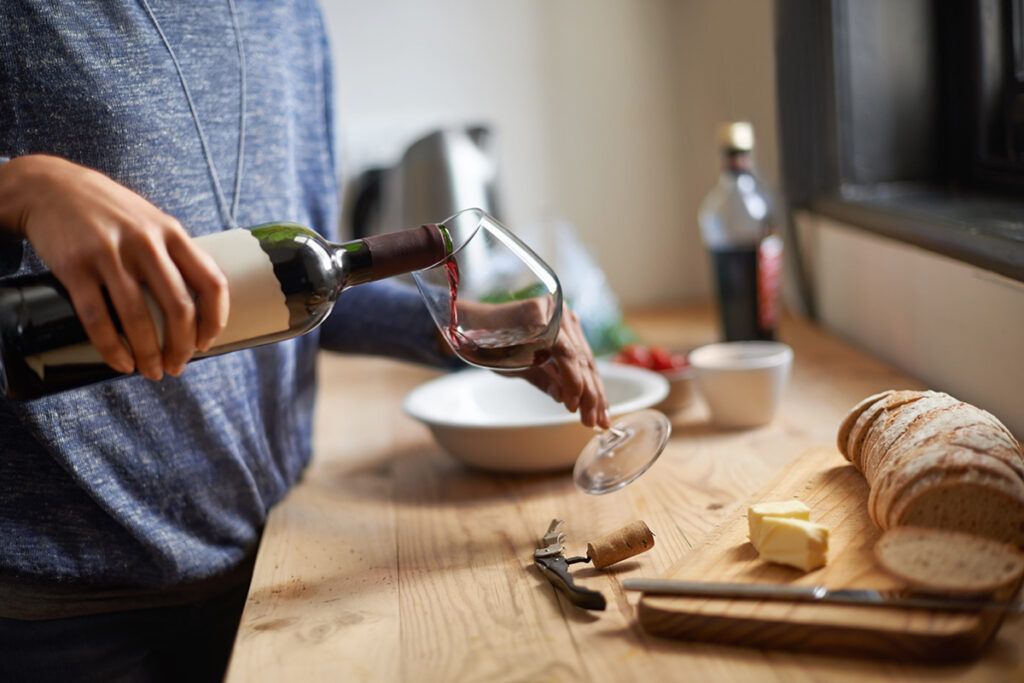
A 2020 review looked at the effect of alcohol on cardiovascular risk factors. It cited research from 2011 that showed a link between drinking alcohol and a consistent increase in HDL cholesterol levels.
At the same time, it noted that light-to-moderate alcohol intake did not significantly change participants’ total cholesterol (TC) or LDL levels.
However, the review showed that TC and triglyceride (a type of fat found in the blood) levels could increase if you drink more than two standard drinks each day.

Should you avoid alcohol if you already have high cholesterol?
Sex and gender exist on spectrums. Use of the terms “male” and “female” in this article refers to sex assigned at birth, as well as to reflect language that appears in the source materials.
Drinking moderate amounts of alcohol (two standard drinks per day for males or one standard drink per day for females) may slightly raise your HDL without raising your TC levels.
So, occasionally having an alcoholic drink could be beneficial because it can increase your HDL levels and help lower harmful LDL levels in your body.
However, the American Heart Association (AHA) points out that regular physical activity is a more effective way to raise HDL levels. Also, the AHA doesn’t recommend drinking wine or any other form of alcohol to gain potential health benefits.
The National Institute on Alcohol Abuse and Alcoholism (NIAAA) reports that alcohol may increase the risk of cancer. For some types of cancer, the risk increases even if you drink fewer than one alcoholic drink in a day.
Because of this, the NIAAA recommends caution when deciding whether to drink alcohol.
Alcohol intake levels
The 2020-2025 Dietary Guidelines for Americans (DGA) define one alcoholic drink as containing 14 grams, or 0.6 fluid ounces (fl oz), of pure alcohol. This is equal to:
- 12 fl oz of regular beer (5% alcohol)
- 5 fl oz of wine (12% alcohol)
- 1.5 fl oz of 80-proof distilled spirits (40% alcohol)
The NIAAA provides a more detailed guide on how to define alcohol limits. They recommend that individuals who choose to drink alcohol limit themselves to two drinks or fewer in a day for males and one drink or fewer in a day for females.
The NIAAA considers excessive alcohol consumption, or “heavy drinking,” as follows:
- For females: four or more drinks on any day or 8 or more per week
- For males: five or more drinks on any day or 15 or more per week
It continues that drinking this amount will greatly increase your risk of alcohol use disorder and other alcohol-related conditions like heart disease, liver disease, and cancer.
Optimal cholesterol ranges
The standard cholesterol levels are discussed below:
Fasting triglyceride may have the following range:
- Normal: less than 150 milligrams per deciliter (mg/dL)
- Mild hypertriglyceridemia: 150–499 mg/dL
- Moderate hypertriglyceridemia: 500–886 mg/dL
- Very high or severe hypertriglyceridemia: greater than 886 mg/dL
A fasting triglyceride test is when a doctor or healthcare professional asks you not to eat or drink anything for approximately 10–14 hours before they take and test blood.
LDL cholesterol levels have the following range:
- Optimal: less than 100 mg/dL
- Near optimal/above optimal: 100–129 mg/dL
- Borderline high: 130–159 mg/dL
- High: 160–189 mg/dL
- Very high: greater than or equal to 190 mg/dL
HDL cholesterol levels have the following range:
- Low: less than 40 mg/dL for males and less than 50 mg/dL for females
- Optimal: greater than or equal to 60 mg/dL
Can you keep your cholesterol levels healthy and still drink alcohol?
Alcoholic drinks contain calories. According to the DGA, regular alcohol consumption can make it difficult to get all the necessary nutrients for your body without consuming excessive calories.
As well as adding calories, alcoholic drinks also prevent your liver from working efficiently. This is one of the reasons alcohol can raise cholesterol levels.
But, if you drink alcohol occasionally and in moderation, it’s unlikely to raise your cholesterol levels, especially if you follow the recommended guidelines.
————-
If you need help covering the cost of medications, the free Optum Perks Discount Card could help you save up to 80% on prescription drugs. Plus, you can now get them delivered to your home in as little as 3 days. Search for your medication here.

Free prescription coupons
Seriously … free. Explore prices that beat the competition 70% of the time.
Get free cardSummary
Having an occasional drink may increase your levels of HDL, or “good” cholesterol, which could lower your risk of CVD.
But, there are more effective and safer ways to raise your HDL levels, such as regularly exercising.
If you drink alcohol regularly or have more than one or two drinks in a day, it’s likely to raise your LDL, or “bad” cholesterol levels. To maintain good health, healthcare professionals usually don’t recommend this practice.
—————
Download the free Optum Perks Discount Card to save up to 80% on many prescription medications. Plus, you can now get them delivered to your home in as little as 3 days. Search for your medication here.