


Eczema is a common skin problem that causes your skin to become inflamed and itchy, and it may cause changes in color like redness or darkening. It also increases your risk of microbial skin infections and can lead to serious complications.
There is no cure for eczema yet, but the condition can usually be well managed with careful attention to hygiene, skin care, and medication routines.
There is increasing scientific evidence that some supplements can help reduce the frequency and severity of eczema symptoms in a variety of ways.
Vitamin D
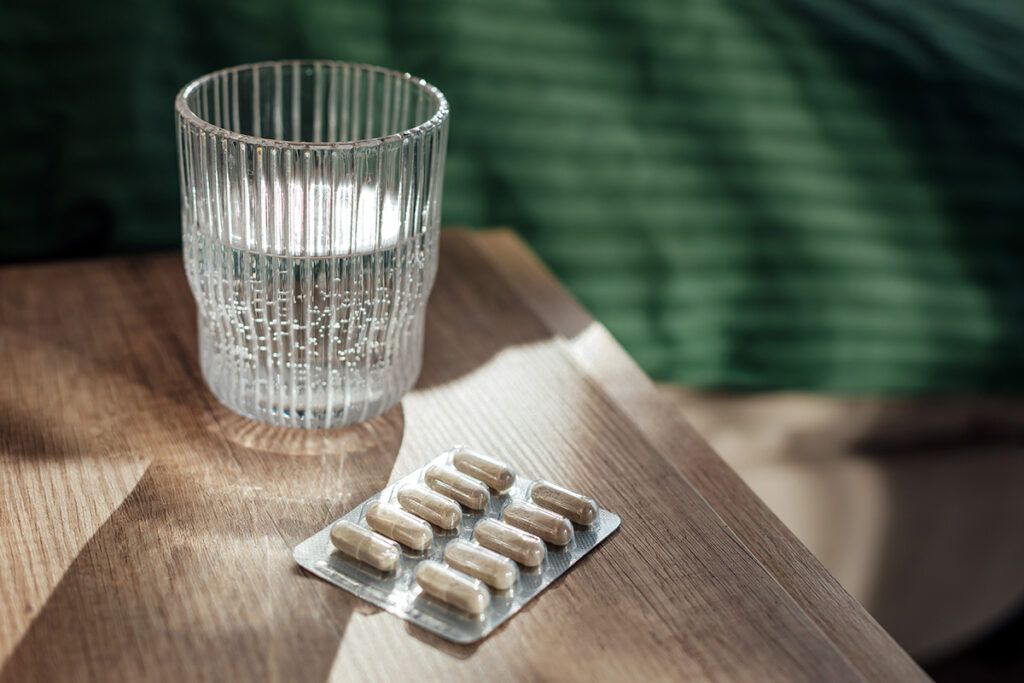
Some people may find that their eczema becomes worse in the winter because vitamin D levels can drop when there is less sunshine and you spend more time indoors.
There is some evidence that people with atopic dermatitis, the most common form of eczema, have lower-than-average vitamin D levels and that supplementation with vitamin D can be of benefit in the following ways:
- Immune system regulation: It plays an important role in regulating your immune system, potentially reducing inflammation that comes with eczema.
- Skin barrier function: Vitamin D helps maintain your skin’s barrier function, keeping moisture in and harmful substances out.
Taking too much vitamin D can be harmful to your health and may lead to kidney failure. Speak with a healthcare professional before taking them, and only take them if it’s recommended to you.
Vitamin E
Vitamin E is a powerful antioxidant that is often found in skin care products. Here’s how it might be beneficial in managing eczema:
- Antioxidant protection: As an antioxidant, vitamin E can protect skin cells from oxidative damage, which can worsen eczema.
- Reducing inflammation: Research suggests it has anti-inflammatory effects, potentially minimizing skin color changes and discomfort.
Fatty acids
Fatty acids such as omega-3 are found in fish oil, as well as other oils like sea buckthorn and hempseed oil.
Here’s how they might help:
- Anti-inflammatory properties: Fatty acids may help reduce inflammation and ease symptoms.
- Improving skin barrier function: They may enhance the skin’s barrier function, preventing dryness.
- Regulation of immune response: They can help modulate your immune response, potentially reducing eczema symptoms.
Melatonin
Melatonin is a hormone primarily known for its role in regulating sleep. It may help manage eczema symptoms by:
- Protecting skin cells: It may protect skin cells from oxidative stress.
- Enhancing sleep quality: Improved sleep quality may lessen eczema’s severity, as sleep deprivation can worsen skin conditions.
- Reducing inflammation: Melatonin might reduce inflammation by acting on specific immune response pathways.
- Skin barrier enhancement: Emerging evidence suggests that melatonin may strengthen the skin’s barrier function.
Speak with a healthcare professional before taking melatonin, as it may interact with other medications or conditions.

Probiotics
Probiotics are live bacteria and yeasts that can have health benefits if consumed in adequate amounts.
Ways in which they may help include:
- Benefiting the immune system: They may alter the immune response, possibly reducing inflammation associated with eczema.
- Improvement of skin barrier function: They may contribute to maintaining or enhancing the skin’s barrier function.
Other eczema treatments
Eczema is a complex and poorly understood condition. It can have many causes, including genetic and environmental factors, and people respond differently to each treatment.
A healthcare professional will be able to investigate what is causing your eczema and then work with you to find a skin care plan that works for you.
Some supplements can interact with medications. It is important to get medical advice before starting to take supplements, especially if you are already taking medication.
The first line of treatment for eczema is usually:
- avoiding triggers and irritants (such as soap and perfumes)
- taking good care of your skin, using topical emollients
- using topical steroid cream for short periods when needed
Depending on the cause of the eczema and its severity, here are some of the medications that a doctor might suggest:
| Topical creams | hydrocortisone (Cortizone), triamcinolone (Kenalog) | Corticosteroids are used to reduce inflammation, irritation, and itching. |
|---|---|---|
| Calcineurin-inhibiting topical ointments | tacrolimus (Protopic), pimecrolimus (Elidel) | Calcineurin inhibitors suppress the immune system to reduce skin inflammation. They may be more effective than corticosteroids. |
| Non-steroidal topical ointment | crisaborole (Eucrisa) | These reduce inflammation and irritation and are especially good for sensitive skin. |
| Oral antihistamines | cetirizine (Zyrtec), loratadine (Claritin) | These help to reduce allergic reactions and are beneficial in eczema because they reduce the itching sensation. |
| Oral antibiotics | amoxicillin (Amoxil), cephalexin (Keflex) | Antibiotics can treat bacterial infections that can cause eczema or are a complication of it. |
| Oral antifungals | fluconazole (Diflucan), miconazole (Micatin) | Eczema can sometimes be caused by fungal infections, or it can lead to them if there is an infection in the skin. |
| Topical emollients | Cetaphil, Eucerin | These are moisturizers that soothe and hydrate the skin, and they can help manage dry skin in eczema. |
If you need help covering the cost of medications, Optum Perks’ free Discount Card could help you save up to 80% on prescription drugs. Follow the links on drug names for savings on that medication, or search for a specific drug here.
Summary
It’s always best to follow the instructions that come with any supplements, make sure that they come from a reputable source, and seek the guidance of a healthcare professional.
However, there is not enough evidence to suggest that these supplements can replace regular medical care. More research is needed to fully understand how these supplements work.
But, there is already promising evidence that these supplements could work alongside existing treatments and help improve the overall health of people with eczema.
Download the free Optum Perks Discount Card to save up to 80% on some prescription medications.