


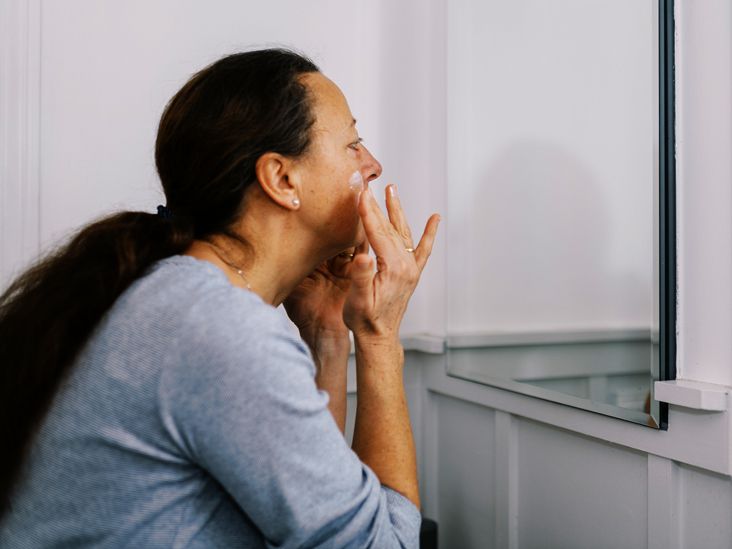
Rosacea is a chronic skin condition that mostly affects your face. It can cause symptoms like:
- facial flushing
- skin irritation
- bumps or pimples on your skin
Experts aren’t sure exactly what causes rosacea, but inflammation of your blood vessels might be a factor. Several lifestyle factors can also trigger the condition to flare up.
There’s no cure for rosacea to get rid of it permanently. But with the right treatment, you can help reduce flare-ups and manage your symptoms effectively.
————–
Need a diagnosis or prescription for rosacea? You can get discreet and expert on-demand care in as little as 15 minutes through Optum Perks. For $39, answer a few questions online and get a treatment plan from a US-licensed healthcare professional. Get started here.

Prescription rosacea treatments
The majority of treatment methods for rosacea aim to reduce inflammation. According to the American Academy of Dermatology (AAD), the ideal outcomes of treatment are to:
- soothe any discomfort
- reduce the appearance of rosacea
- prevent the condition from getting worse
Dermatologists will likely recommend different medications for different treatment purposes. They might prescribe you topical or oral medications.
Rosacea creams
As rosacea is a skin condition often affecting the skin on your face, there are many topical medications that you can apply directly to affected areas. These can treat different symptoms of rosacea.
To manage long-lasting discoloration of your skin, two topical treatments approved by the Food and Drug Administration (FDA) are available. These are brimonidine gel (Mirvaso) and oxymetazoline cream (Rhofade).
According to the AAD, these medications can fade skin flushing for up to 12 hours by narrowing your blood vessels temporarily. You’ll see the best results around 3 to 6 hours after application. The color will eventually return, but you can use the medications daily. And after long-term use, you may see a reduction in your overall discoloration.
For the pimple-like bumps on your skin, dermatologists might prescribe topical antibiotics to reduce bacteria on your skin that might be causing the breakouts. Examples of these antibiotics include metronidazole gel (Metrogel) or minocycline foam (Amzeeq).
Other topical medications that can help manage skin breakouts include:
- azelaic acid (Finacea)
- ivermectin cream (Soolantra)
- benzoyl peroxide cream 5% (Epsolay)
————-
If you need help covering the cost of medications, the free Optum Perks Discount Card could help you save up to 80% on prescription drugs. Plus, you can now get them delivered to your home in as little as 3 days. Search for your medication here.

Free prescription coupons
Seriously … free. Explore prices that beat the competition 70% of the time.
Get free cardOral medications
If topical antibiotics aren’t effective in managing your breakouts, dermatologists might prescribe oral ones.
They can prescribe low dose doxycycline (Oracea) for long term to manage breakouts and skin thickening. This is because the medication isn’t strong enough to be considered an antibiotic dose. It works to lower inflammation.
If this doesn’t work, dermatologists may prescribe other oral antibiotics for as short a time as possible.
Another option to treat thickening skin is isotretinoin (Absorica). But this might not be right for everyone as it may cause severe side effects.
Medical procedures and therapies
Alongside medications, experts often recommend certain medical procedures and therapies to manage symptoms of rosacea. Doctors may recommend them alongside medications and creams.
The most common of these are laser and light therapies. These treatments use lasers or focused pulsed light directed at affected areas to reduce the appearance of skin discoloration, visible blood vessels, and thickening skin.
According to the AAD, some people may see a 100% reduction in visible blood vessels. But most people see around 50 to 75% reduction after up to three treatments. The results can last up to 5 years.
Laser resurfacing is a kind of laser therapy that can reduce the thickened skin on your face, often the nose area, caused by rosacea. Doctors can also perform surgery with a scalpel to remove excess skin.
According to a 2018 review, laser therapy may be preferred as it causes less bleeding than traditional surgery. Traditional surgery may be more difficult for doctors to carry out.
Lifestyle measures and home remedies
Alongside medical treatment, most dermatologists will also recommend you try a gentle skin care routine to help soothe your skin.
The routine doesn’t need to be complicated. In fact, it’s likely better to keep it simple to avoid any further irritation. You may consider using a gentle cleanser, moisturizer, and SPF sunscreen. Avoid anything with too many harsh chemicals, as these may worsen your symptoms.
There are also several home remedies that you can try to manage your symptoms.
- Oatmeal: You can use colloidal oatmeal directly on the skin to reduce itching and irritation caused by rosacea. Colloidal oatmeal has antioxidant and anti-inflammatory properties. You can make it into a paste and apply it as a soothing face mask.
- Aloe vera: Aloe vera has anti-inflammatory, antioxidant, and antimicrobial effects. It may reduce inflammation, pain, and itching. You can apply aloe vera directly to the skin to soothe your symptoms.
- Green tea: Green tea leaves can also have an anti-inflammatory effect when you apply it to your skin. According to a 2024 review, its unique benefit is that it may absorb ultraviolet (UV) radiation, which is a common trigger for rosacea flare-ups.
There are other natural compounds that may have anti-inflammatory effects, such as turmeric and chamomile. But research is limited regarding their effectiveness for rosacea specifically.
Preventing rosacea flare-ups
The main advice for managing rosacea in your daily life is to learn what your triggers are so you can avoid them. Triggers are different for everyone, but common ones include:
- sunlight exposure
- stress
- intense exercise
- very hot or cold weather
- strong winds
- alcohol consumption (if applicable)
Online care for rosacea
Rosacea is a common condition, but many people may mistakenly feel that it isn’t serious enough to treat.
It’s important to seek treatment to stop your condition from worsening. And some research suggests that rosacea can have consequences for your mental health, potentially leading to anxiety and depression.
Seeking quick and convenient online care, such as the Optum Perks Online Care, may make getting treatment easier for you. Available 24/7, you can submit an inquiry about your condition and receive a response from a licensed healthcare professional in as little as 15 minutes, getting you started on your treatment journey as soon as possible.
Summary
Rosacea is a common condition affecting the skin, most often on your face. Common treatments for the condition include topical application to the affected areas, but some cases may require oral medications.
Dermatologists often recommend laser or light therapies alongside medications to reduce the appearance of rosacea.
You can combine medical treatments with at-home measures. These include starting a gentle skin care routine and trying some natural remedies like oatmeal or aloe vera. What’s more, one of the best ways to manage your rosacea at home is learning to avoid your triggers.
If you have rosacea, you can get started on your treatment journey today by making an appointment with a dermatologist or seeking care online.
—————
Download the free Optum Perks Discount Card to save up to 80% on many prescription medications. Plus, you can now get them delivered to your home in as little as 3 days. Search for your medication here.