


Platelet-rich plasma therapy uses an individual’s own platelets, which are a type of blood cell, to encourage healing. This may be beneficial in some cases of knee osteoarthritis.
Yet some people may not achieve adequate pain relief from PRP injections.
This article explores the effectiveness of PRP injections for knee osteoarthritis in more detail. It also looks at the possible risks, as well as other uses for PRP injections.
What are platelet-rich plasma injections?
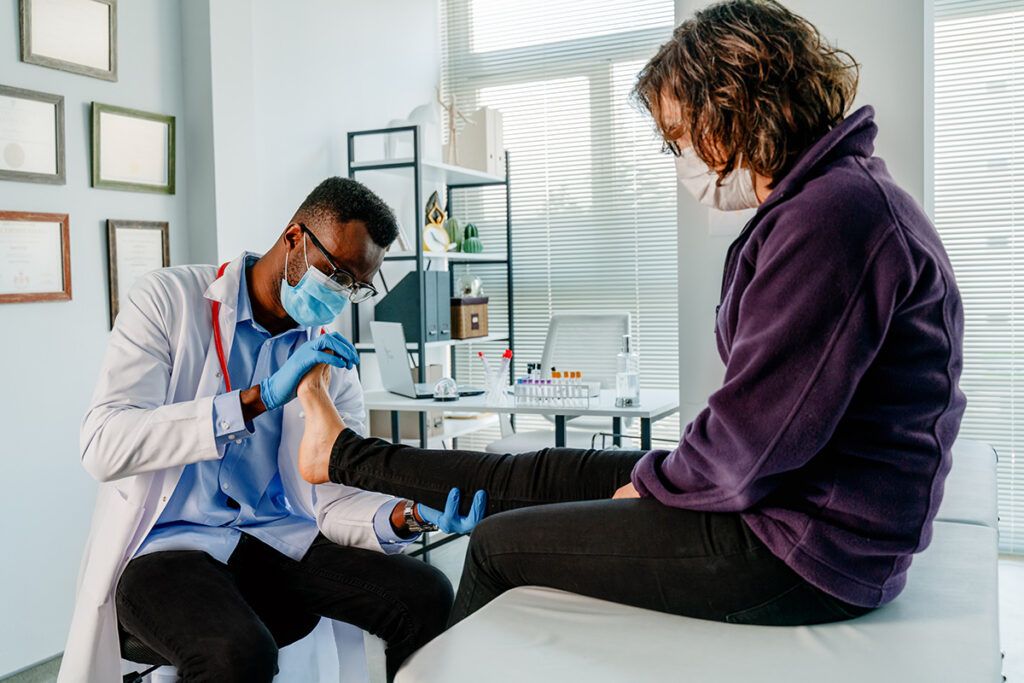
PRP injections involve injecting a person with a concentration of their own platelets. Platelets, or thrombocytes, are a type of blood cell responsible for causing blood clots and helping with the healing processes involving growth and regeneration.
The plasma in PRP injections is the liquid part of the blood that contains many platelets, which is where the term “platelet-rich plasma” comes from. This plasma helps blood cells move through the body.
PRP injections help direct the healing properties of the platelets to a specific area of the body, which can include:
- joints
- muscles
- ligaments
- tendons
The idea is that PRP can help the body use its own healing system to reduce pain in these areas.
How effective is PRP for knee osteoarthritis?
Results on the effectiveness of PRP for knee osteoarthritis are mixed.
In a small 2022 study, participants reported reduced pain and improved quality of life at the 6-month follow-up after receiving PRP injections. Researchers noted improvements in scores in the following:
- Western Ontario and McMaster University osteoarthritis index (WOMAC)
- American Knee Society score
- visual analog scale
A 2021 study followed up with 98 participants 1 year after they began PRP treatment. The study found that PRP injections may be more beneficial for people with early stage osteoarthritis.
But another 2021 study found that PRP injections did not result in significant improvement in symptoms or joint structure after 12 months, compared with the injection of saline placebo.
Another 2023 study reported that, while there was a reduction in the WOMAC score, it could still indicate a placebo effect. The study’s authors suggest that there needs to be more research into whether the grade of osteoarthritis and a person’s weight may affect the efficacy of PRP injections.
The varied results suggest that PRP injections for knee osteoarthritis may help some people manage their symptoms, whereas it may not be as beneficial for other people.

When might a person need PRP for knee osteoarthritis?
According to a 2023 study, PRP injections for knee osteoarthritis are more common in people with Kellgren-Lawrence grade 2 or 3 osteoarthritis. This refers to mild or moderate osteoarthritis.
A doctor may recommend PRP injections to help delay the need for surgery. Yet they will likely recommend other treatments first, such as:
- pain relief medication, such as nonsteroidal anti-inflammatory drugs
- steroid injections
- heat or cold therapy
- assistive devices to reduce pressure on the joints
- physical therapy to help keep the joints flexible
————-
If you need help covering the cost of medications, the free Optum Perks Discount Card could help you save up to 80% on prescription drugs. Plus, you can now get them delivered to your home in as little as 3 days. Search for your medication here.

Free prescription coupons
Seriously … free. Explore prices that beat the competition 70% of the time.
Get free cardHow does a person prepare for PRP for knee osteoarthritis?
It is best to contact your doctor before your appointment to find out whether you need to do anything specific to prepare for PRP injections. This might include stopping any medication or not eating anything for a certain amount of time beforehand.
What happens during PRP therapy for knee osteoarthritis?
At the start of your appointment, a medical professional will take blood from your arm, then prepare it in a process called centrifugation. This helps concentrate the PRP.
After preparing the PRP injection, medical professionals will likely perform an ultrasound of the knee. This helps them better see the affected area and administer the injection as safely as possible.
You may then receive a local anesthetic to numb the area. A healthcare professional will then give you the PRP injection.
After the injection, you will likely need to spend some time in the waiting room so that medical professionals can monitor you. The whole process should take about 1 hour.
What are the possible risks of PRP for knee osteoarthritis?
The 2021 study mentioned earlier claims that PRP for knee osteoarthritis is a safe and effective treatment.
But you may still experience some pain and possible side effects afterward. If you experience pain, it is important to let your doctor know so they can prescribe suitable medication to help you manage it.
Your doctor may also recommend applying ice to the knee for around 20 minutes every 2–3 hours. You may wish to ask your doctor about this beforehand so that you can take steps to reduce any pain soon after the procedure.
In rare cases, an infection may occur. It is important to seek medical advice as soon as you experience any symptoms of infection, such as:
- swelling
- redness
- drainage
- fever
What are the other uses of platelet-rich plasma injections?
Some doctors may recommend PRP injections for types of osteoarthritis, such as osteoarthritis of the hip.
PRP injections may also be useful for treating sports injuries, such as Achilles tendinitis or tennis elbow.
It may also help encourage healing after surgery.
Frequently asked questions
Here are some frequently asked questions about PRP injections.
Does PRP really work for knees?
It is unclear how effective PRP injections are for knee osteoarthritis. Some studies, including one from 2022, suggest the treatment might be helpful. Others, like the 2021 study mentioned previously, did not find any benefit compared with placebo injections.
How long do PRP injections last in knees?
A 2017 article suggests that the release of growth factors in PRP injections lasts around 3 weeks. The clinical effects tend to last for about 1 year. But this may vary for each person.
How many PRP sessions are needed for knees?
How many PRP sessions you need can depend on your individual condition. One 2018 study looked at the effects of three PRP sessions that participants received over the course of 3 weeks. The study found that this helped relieve pain for up to 6 months.
Summary
Platelet-rich plasma (PRP) injections may be useful for reducing pain in people with knee osteoarthritis. Yet, some studies suggest that the benefits did not differ from those of placebo injections.
A doctor may recommend PRP injections if symptoms of osteoarthritis do not respond to other treatments. In some people, PRP injections may help delay surgical intervention.
It is best to contact a doctor if you wish to discuss PRP injections. The doctor will be able to evaluate your symptoms and advise you on suitable treatments, including whether they think PRP injections are a good option for you.
—————
Download the free Optum Perks Discount Card to save up to 80% on many prescription medications. Plus, you can now get them delivered to your home in as little as 3 days. Search for your medication here.