


A cholesterol (lipid panel) test helps doctors determine your risk of developing cardiovascular disease. The test involves taking a small sample of your blood, usually in the morning. This is to check for the following:
- total cholesterol in the blood
- “good” cholesterol levels (HDL cholesterol)
- “bad” cholesterol levels (LDL cholesterol), which can increase the risk of heart problems and stroke
- triglycerides
- the ratio between the levels of good cholesterol and total cholesterol
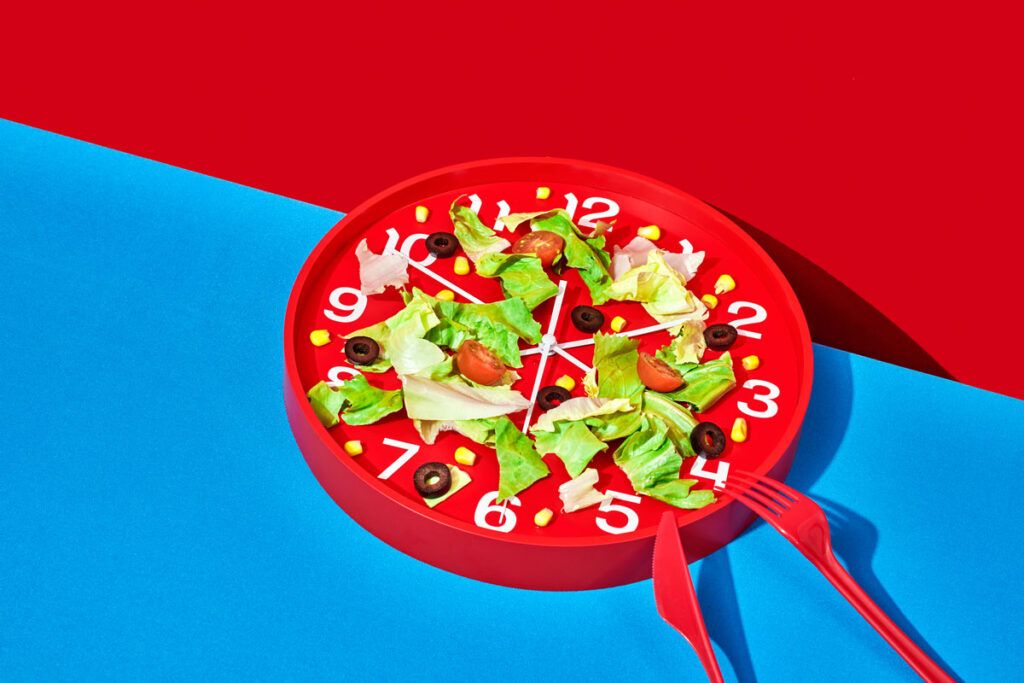
Traditionally, doctors ask you to fast before a cholesterol test. That is, avoid any solid food and liquids, except water, for 9–12 hours. More recently, some doctors may prefer nonfasting tests, so you may have your usual food and beverages right before the test.
What to avoid before a cholesterol test
Different factors may alter your cholesterol test results, although not significantly. For example, being dehydrated may skew your results, showing higher cholesterol levels than when you are hydrated.
Some medications and supplements may also skew cholesterol results. Your doctor may ask you to temporarily discontinue these or other medications under their supervision:
- amiodarone (Cordarone)
- prednisone (Rayos)
- anabolic steroids like fluoxymesterone (Halotestin) and stanozolol
- beta-blockers like atenolol (Tenormin) and nadolol (Corgard)
- protease inhibitors like atazanavir (Reyataz) and ritonavir (Norvir)
- cyclosporine
- diuretics
- vitamin C
This list is not all-inclusive and may vary from person to person. Letting your doctor know about all your current medications and supplements is highly advised before any blood tests.

How to lower your cholesterol
Changes in your lifestyle habits may go a long way to preventing and managing cholesterol levels.
Eating and exercising habits are particularly important.
Consider avoiding foods such as:
- butter, lard, and ghee
- cream and hard cheese
- sausages, meat pies, and meat containing high quantities of fat
- coconut oil or palm oil
- cakes and muffins
- deep-fried foods
Foods that may help you lower cholesterol may include:
- oily fish, like mackerel and salmon
- fruits and vegetables
- nuts and seeds
- brown rice, whole grain bread, and wholewheat pasta
If you have high cholesterol, you may also consider limiting alcohol and tobacco use if necessary.
Regular physical activity is also an effective way to keep cholesterol at optimal levels. You may consider following federal guidelines that advise a minimum of 150 minutes per week of moderate-intensity exercise, and 2 days per week of strength training.
Chronic psychological stress is also associated with higher cholesterol levels. Stress management and relaxation techniques may help.
Medications for cholesterol
If your cholesterol levels are too high or lifestyle changes are not enough, your healthcare professional may recommend some medications called statins. These may include:
- rosuvastatin (Crestor)
- atorvastatin (Lipitor)
- simvastatin (Zocor)
- fluvastatin (Lescol)
- lovastatin (Altoprev)
To reduce cholesterol re-absorption, your doctor may also prescribe:
- adenosine triphosphate-citrate lyase (ACL) inhibitors, like bempedoic acid with ezetimibe (Nexlizet)
- fibrates, like gemfibrozil (Lopid)
- bile acid sequestrants, like colestipol (Colestid)
————-
If you need help covering the cost of medications, the free Optum Perks Discount Card could help you save up to 80% on prescription drugs. Plus, you can now get them delivered to your home in as little as 3 days. Search for your medication here.

Free prescription coupons
Seriously … free. Explore prices that beat the competition 70% of the time.
Get free cardHow quickly can you lower your cholesterol?
Cholesterol levels typically stabilize and lower about 8 weeks after starting treatment or making lifestyle changes.
It is not possible to improve your cholesterol levels overnight or in a short period. Sustained and prolonged efforts will provide long lasting results.
How often should you test for cholesterol?
The American Heart Association recommends that people ages 20 and older have a cholesterol test every 4–6 years. This is usually the case if they do not have underlying conditions that may increase the risk of heart disease and stroke.
For people between 45 and 75 years, specialists may recommend more frequent tests in the presence of diabetes and other factors that may increase the risk of heart disease, such as:
- tobacco use
- overweight or obesity
- hypertension
- personal or family history of heart disease
- previously high cholesterol results
If your test results are higher than ideal, and you start taking cholesterol medications, your doctor may retest after about 8 weeks.
Summary
If your doctor asks you to fast before a cholesterol test, you may not eat or drink anything, except water, for 9-12 hours. Before that, you may follow your usual diet.
If you do not need to fast, you may follow your regular diet up until your test time.
However, some medications and supplements may skew your cholesterol results. It is a good idea to ask your healthcare professional which of those you need to skip the night before a cholesterol test.
—————
Download the free Optum Perks Discount Card to save up to 80% on many prescription medications. Plus, you can now get them delivered to your home in as little as 3 days. Search for your medication here.