


Nutritional yeast is known for its nutty, cheesy flavor and unique nutritional profile. But does it improve your overall health? It might, according to research.
This article discusses nutritional yeast, its potential health benefits, how to add it to your diet, and why in some instances, being cautious is advisable.
What is nutritional yeast?
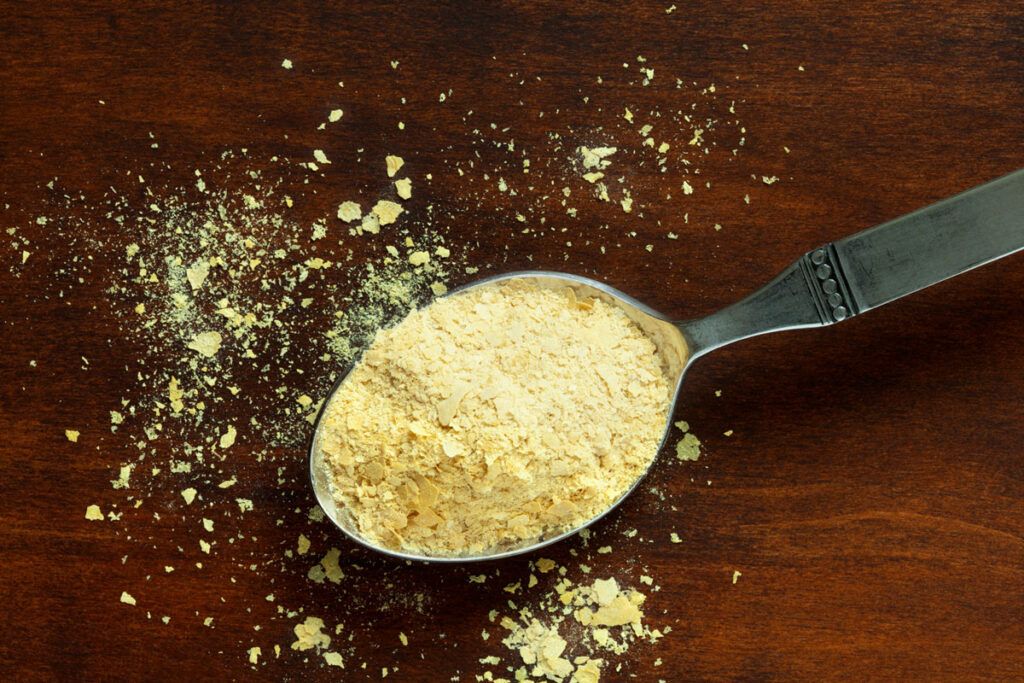
Nutritional yeast is a deactivated form of Saccharomyces cerevisiae, commonly known as baker’s yeast in the food industry. In its active form, the yeast helps the bread dough to rise or ferment drinks like beer.
Unlike active yeast, nutritional yeast has a flaky, powdery texture from heating and drying it.
Nutritional yeast is a good source of vitamins, minerals, and amino acids, making it a popular ingredient in vegan and vegetarian diets.
You can buy either fortified or unfortified versions. As a result, the nutritional profile often differs by type and brand.
What are the benefits of nutritional yeast?
In addition to offering a tasty flavor profile that matches many recipes, nutritional yeast may offer some health benefits. In most cases, although the evidence seems promising, there is a need for extensive research.

Some people may call nutritional yeast a superfood because it contains plant-based protein, fiber, minerals, vitamins, and beta-glucans.
Nutritional yeast benefits may include:
- Nutritional density: Nutritional yeast contains essential nutrients, especially B vitamins. It also contains trace minerals like zinc, magnesium, and calcium, which are important for your body’s overall functioning.
- Fiber content: Nutritional yeast is low in carbohydrates but high in fiber. It contains about 26.7g of fiber per 100g of nutritional yeast. A diet high in fiber may reduce the chance of cardiovascular disease by lowering cholesterol concentration in your blood. Also, high fiber might help you regulate blood sugar levels by reducing the absorption of sugar in the bloodstream, minimizing sudden spikes, and thus helping to prevent type 2 diabetes. A small, older study from 1994 showed the effect of nutritional yeast on blood sugar. There is a lack of extensive research on nutritional yeast to fully validate the effect of nutritional yeast on blood sugar.
- Skin and hair health: Nutritional yeast contains vitamins A, C, K, and B. It also has iron, copper, and zinc. All these nutrients play crucial roles in supporting skin and hair cell growth and collagen production.
- Boost in energy levels: B vitamins are essential for energy level and cognition management. Eating nutritional yeast may help some people feel more alert and energetic, particularly when they’re feeling sluggish.
- Muscle building: Nutritional yeast is 50% protein. Protein is essential for maintaining muscle mass. It can also help you manage weight, making you feel fuller for longer.
- Gut health: According to a 2020 study, beta-glucans from nutritional yeast may have probiotic qualities, meaning they support the growth of healthy bacteria that live in your gut. Gut health is essential to overall health.
- Cancer prevention: Some research suggests that beta-glucans found in yeast may help prevent and manage cancerous growths. More research is needed to validate these findings.
————-
If you need help covering the cost of medications, the free Optum Perks Discount Card could help you save up to 80% on prescription drugs. Plus, you can now get them delivered to your home in as little as 3 days. Search for your medication here.

Free prescription coupons
Seriously … free. Explore prices that beat the competition 70% of the time.
Get free cardWhat are the possible side effects and risks of nutritional yeast?
Nutritional yeast is safe for most people, but some may experience mild to moderate side effects. It is advisable to discuss any adverse reactions to nutritional yeast and other foods with a health professional. This will help you rule out allergies, sensitivities, and drug interactions.
Some of the potential risks of nutritional yeast may include the following:
- Amino acid sensitivities and allergies: Some yeast products contain amino acids histamine and tyramine. Amino acids are the building blocks of proteins and are safe (and needed) for most people. But, some individuals may have difficulty digesting or breaking them down. If you have yeast or mold allergies, research suggests you may be more likely to react negatively to nutritional yeast in your diet. Discussing with your doctor and keeping a food diary may help you recognize if nutritional yeast is causing you a digestive upset.
- Digestive issues: As nutritional yeast is high in fiber, eating too much too quickly may lead you to experience symptoms like cramping, bloating, or diarrhea. Increasing your water intake and balancing your overall fiber consumption may help.
How to use nutritional yeast
Nutritional yeast is a seasonal mix for your foods. You will usually add a tablespoon or two at a time, up to twice a day.
You will find nutritional yeast in most grocery markets’ dressing and spice aisles. This ingredient may last for a while in your kitchen cupboard. It is best to store it in an airtight container, away from direct sunlight and high temperatures.
Nutritional yeast is a versatile ingredient that you can use in various ways. Some of the ways you can use nutritional yeast include:
- Sprinkling it on popcorn, pasta, or roasted vegetables for a cheesy flavor.
- Using it as seasoning in soups, stews, and sauces.
- Adding in dips and spreads like hummus or guacamole.
- Mixing it with scrambled eggs or tofu for added flavor.
- Using it as a substitute for cheese in recipes like mac and cheese or pizza.
- Adding it in vegan cashew cream cheese.
- Adding it in vegan broths and soups to enhance flavor.
Summary
Nutritional yeast is a flavorsome, nutrient-packed ingredient you can use in a variety of ways. Potential health benefits include healthy skin and hair, increased energy levels, and reduced chance of blood sugar spikes.
Nutritional yeast is plant-based and can fit into vegan and vegetarian diets. You can sprinkle it on popcorn, pasta dishes, or roast veggies or add it to dips, soups, or vegan cheese.
Although it may cause digestive upset and food allergies in some, nutritional yeast is often safe for most people.
—————
Download the free Optum Perks Discount Card to save up to 80% on many prescription medications. Plus, you can now get them delivered to your home in as little as 3 days. Search for your medication here.