


Night sweats refer to excessive sweating during sleep, often soaking through your bedclothes and leading to discomfort and disrupted sleep. While night sweats can have various underlying causes, they can sometimes happen before your period.
Common symptoms of night sweats may include:
- intense sweating during sleep, causing damp bed sheets and clothing
- increased body temperature
- flushed or clammy skin
- rapid heartbeat
Causes
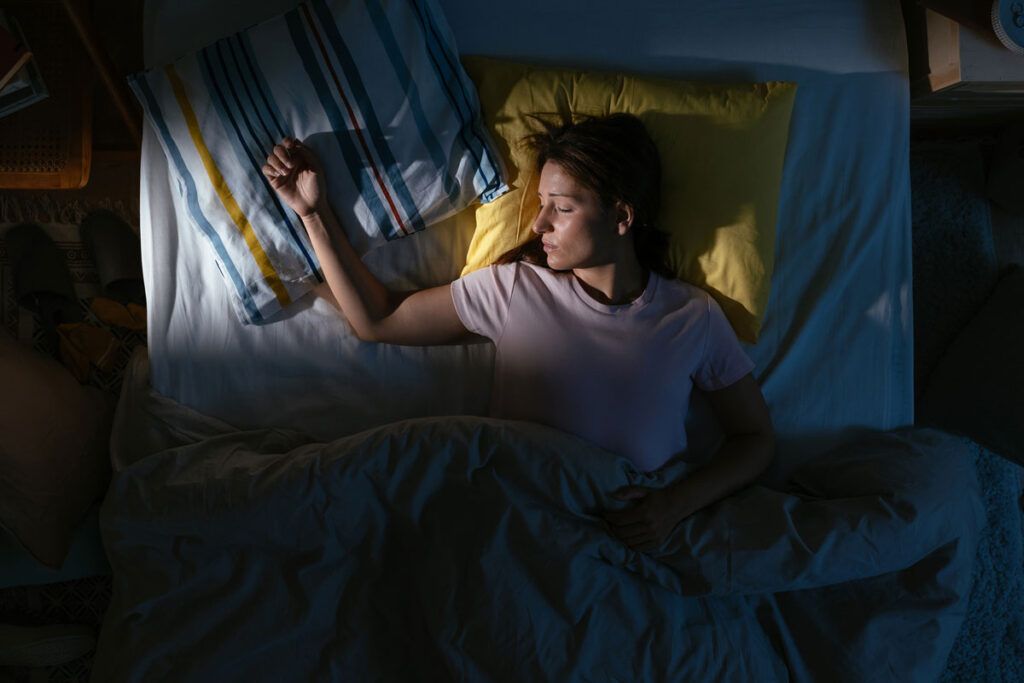
Night sweats before your period can occur due to hormonal fluctuations. When estrogen levels decrease, it can disrupt your body’s temperature regulation, causing increased sweating at night.
Many people may experience this symptom as part of premenstrual syndrome (PMS). Additionally, conditions such as endometriosis can contribute to hormonal imbalances and night sweats.
Hormonal effects
Your hormones play a significant role in night sweats before your period. Fluctuations in estrogen and progesterone levels during the premenstrual phase can affect the body’s temperature, leading to night sweats.
These hormonal shifts affect the hypothalamus, the part of the brain responsible for regulating body temperature. This can disrupt the body’s usual cooling mechanisms and result in excessive sweating during sleep.

Endometriosis
Endometriosis is a condition where tissue similar to the lining of the uterus grows outside of it, which can result in high pain levels. It can also contribute to night sweats before your period.
This chronic condition involves hormonal irregularities and inflammation, which can disrupt the body’s usual temperature regulation.
The excess production of certain hormones and the inflammatory response can lead to increased body heat and night sweats.
Can menopause cause night sweats?
Menopause can cause night sweats due to hormonal changes. During menopause, the body goes through significant hormonal changes, specifically a decrease in estrogen levels. These hormonal fluctuations can disrupt the body’s temperature regulation, leading to night sweats.
When estrogen levels decrease, it can affect the hypothalamus, a brain region controlling body temperature regulation. This can make the hypothalamus more responsive to even small changes in temperature. It can cause the body to interpret a higher temperature than it is, leading to night sweats.
Treatment
Treatment for night sweats depends on the underlying cause. If night sweats occur before your period and are not severe or persistent, they may not require specific medical treatment. However, if they are affecting your daily life or interfering with your sleep, common treatment options can include:
Hormonal therapy
If night sweats are related to hormonal imbalances, a doctor may prescribe hormonal therapy such as hormone replacement therapy (HRT).
This involves using medications that regulate hormone levels and can help manage night sweats. HRTs are available in several forms, such as:
- oral pills
- injections
- gels
- transdermal patches
- vaginal creams
Examples of HRTs include:
- estradiol (Divigel), a gel
- estradiol valerate (Delestrogen), an injection
- estradiol (Estrace), an oral pill
————-
If you need help covering the cost of medications, the free Optum Perks Discount Card could help you save up to 80% on prescription drugs. Plus, you can now get them delivered to your home in as little as 3 days. Search for your medication here.

Free prescription coupons
Seriously … free. Explore prices that beat the competition 70% of the time.
Get free cardLifestyle measures
Certain lifestyle measures can help reduce the frequency and severity of night sweats. These can include:
- maintaining a cool sleeping environment
- dressing in lightweight clothing
- managing stress
Antidepressants
Sometimes, a healthcare professional may prescribe certain antidepressants to treat or reduce your night sweats. Commonly prescribed medications can include:
- nortriptyline (Pamelor)
- venlafaxine (Effexor XR)
- valproic acid (Depakine)
- topiramate (Topamax)
Consider speaking with a healthcare professional to determine the most appropriate treatment for your night sweats. They can evaluate your symptoms, perform any necessary tests, and provide personalized recommendations based on your needs.
Prevention
While it may not be possible to prevent night sweats completely, there are steps you can take to reduce their frequency and intensity. These may include:
- Maintaining a comfortable sleep environment: Keep your bedroom cool, well-ventilated, and use breathable bedding materials. Consider using a fan or air conditioning to regulate the temperature.
- Choosing light sleepwear: Dressing in lightweight, loose-fitting clothing made from natural fibers like cotton allows better airflow and helps moisture absorption.
- Managing stress: Stress can exacerbate night sweats. Practice stress-reducing techniques such as deep breathing exercises, meditation, or yoga.
- Limiting triggers: Avoid spicy foods, caffeine, alcohol, and other known triggers contributing to night sweats. Pay attention to your diet and identify any specific foods or beverages that may worsen your symptoms.
- Staying hydrated: Drink adequate water throughout the day to keep hydrated. This can help regulate your body temperature and reduce the likelihood of experiencing night sweats.
Can birth control help?
Certain forms of birth control can help manage night sweats. Hormonal birth control methods, like combined oral contraceptives (containing estrogen and progestin), can help regulate hormone levels and reduce the severity of symptoms such as night sweats.
By stabilizing hormonal fluctuations, birth control can alleviate symptoms associated with hormonal imbalances, including night sweats. However, it’s important to speak with a healthcare professional to determine the most suitable birth control option based on your needs and medical history.
Summary
Night sweats before your period can be due to hormonal fluctuations, particularly a drop in estrogen levels. These hormonal changes can disrupt the body’s temperature regulation and increase sweating, especially during sleep.
While it is a common symptom experienced by some people as part of premenstrual syndrome, understanding the underlying causes can help manage and ease night sweats.
By seeking medical advice, exploring lifestyle measures, or potential medications, you can find relief and improve your overall well-being during this phase of the menstrual cycle.
—————
Download the free Optum Perks Discount Card to save up to 80% on many prescription medications. Plus, you can now get them delivered to your home in as little as 3 days. Search for your medication here.