


HIV is a transmissible virus that attacks your immune system. If you do not receive treatment, it can seriously affect the efficiency of your immune system over time.
Different types of tests are available to check if HIV is present in your bloodstream. Testing is vital to help you receive effective treatment if necessary but also to help prevent the transmission of HIV. According to the National Institute of Health (NIH), taking medication soon after a diagnosis of HIV reduces your risk of serious complications by 72%.
A nonreactive test result is the same as a negative test result. This means that no evidence of HIV is present in your sample. This almost always means that you are not living with HIV. However, if you encounter HIV in the window period before your test, your result may be inaccurate. This is the time it takes from the point of HIV exposure for a test to be able to detect it.
Types of testing for HIV
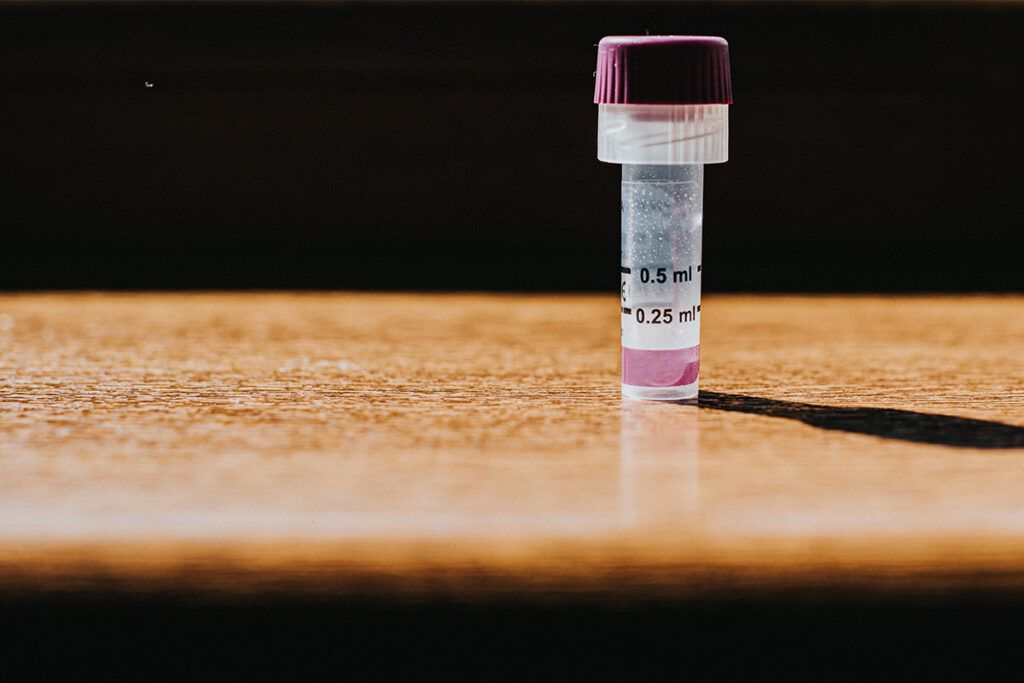
Of the several different tests for HIV available, there are three key types that a doctor may recommend. Each type of test has a different window period.
These tests include:
| Type | What is it? | Window period |
|---|---|---|
| Nucleic acid tests (NATs) | These look for genetic material from the HIV in your blood sample. While they can detect HIV at the earliest point, they are also the most expensive. Doctors typically use NATs to see the amount of the virus present after a positive result. This viral load can help determine if an infection is extensive or in its early stages. | 10–33 days after the first potential HIV exposure. |
| Antigen tests | These assess the viral load of HIV antigens and antibodies that your body would produce from an infection of HIV. A rapid antigen can provide results within 30 minutes. | 18–45 days after the first potential HIV exposure. |
| Antibody tests | These check for the presence of antibodies to HIV in your blood sample. Antibodies are special proteins your immune system creates in response to specific disease-causing molecules like HIV. Results can come in 30 minutes or less, depending on the type of test. | 23–90 days after the first potential HIV exposure. |

What are the next steps?
A negative or nonreactive test result typically means you do not have HIV. However, according to the Centers for Disease Control and Prevention (CDC), this is not always the case. It depends on the time between your potential contact with the virus and when you get a test.
If you mistime this or encounter HIV after the instance you first suspect, you may be at risk of a false negative result.
The CDC recommends the following:
- If you get an HIV test after potential HIV exposure and it is nonreactive, get another test after the window period for the first test you take.
- If you have no possible HIV exposure between the two tests and still receive a nonreactive result, you will not have HIV.
How can HIV be treated?
If you receive a positive test result for HIV, starting treatment as soon as possible will give you the best chance at preventing complications.
The main treatment for HIV is antiretroviral therapy. This is a combination treatment that uses different types of daily medications to stop the virus from reproducing. This can help prevent HIV from progressing to AIDS.
These medications do not cure HIV but will keep the virus at a low enough viral load so that it does not affect your body.
There are many types of antiretroviral medications, including:
- nucleoside reverse transcriptase inhibitors (NRTIs), such as zidovudine (Retrovir) and bictegravir (Biktarvy)
- protease inhibitor drugs, such as ritonavir (Norvir)
- non-nucleoside reverse transcriptase inhibitor, such as etravirine (Intelence), nevirapine ER
- attachment inhibitors, such as fostemsavir (Rukobia)
Prevention
HIV is transmissible only through bodily fluids, like blood, semen, and vaginal fluid. People can acquire HIV from certain activities like injection drug use or sex without a condom or other barrier methods. There are different steps you can take to reduce your likelihood of contracting HIV.
This includes the following:
- using a condom during sex to prevent transmission through bodily fluid
- not sharing needles or other drug equipment
- testing for HIV regularly
- taking preexposure prophylaxis, or PrEP (Truvada), which can reduce your risk of contracting HIV by 99%
- asking a doctor about postexposure prophylaxis (PEP) medication to help prevent HIV from developing after potential exposure
If you take PEP medication within 72 hours of potential exposure, it can be highly effective. A 2020 review notes how taking PEP can reduce your risk of HIV infection by 81%.
If you think you may be at risk of contracting HIV, you should consider regular screening with at-home tests.
————-
If you need help covering the cost of medications, the free Optum Perks Discount Card could help you save up to 80% on prescription drugs. Plus, you can now get them delivered to your home in as little as 3 days. Search for your medication here.

Free prescription coupons
Seriously … free. Explore prices that beat the competition 70% of the time.
Get free cardSummary
There are different forms of HIV tests available, each type having a varying waiting period to ensure the test is accurate in detecting an infection.
Nonreactive or negative HIV tests happen when the test detects no HIV in your blood sample. While in most cases, this means you do not have HIV, this is not always the case.
If you did not wait the full window period or had another potential HIV exposure before your test, you may wish to consider retesting. If you do so, be sure to wait the full window period and avoid another re-exposure before the second test.
—————
Download the free Optum Perks Discount Card to save up to 80% on many prescription medications. Plus, you can now get them delivered to your home in as little as 3 days. Search for your medication here.