


Statins are a class of prescription medications that lower cholesterol levels in the blood. They work by inhibiting an enzyme involved in cholesterol production, reducing low-density lipoprotein (LDL) — often known as “bad” cholesterol.
Chronic high cholesterol may lead to the accumulation of plaque in arteries, increasing the risk of heart disease, heart attacks, and strokes. It may also lead to atherosclerosis — which narrows and hardens arteries — and peripheral artery disease.
Depending on your symptoms and risk factors, treating high cholesterol may be more effective when using a comprehensive approach involving physical activity, nutrient-dense diets, natural remedies, and prescription medications.
Some natural remedies or foods referred to as “natural statins” because of their potential to help balance cholesterol might help. Still, there’s no formal natural statin therapy and this isn’t a medical term.
Natural options for high cholesterol
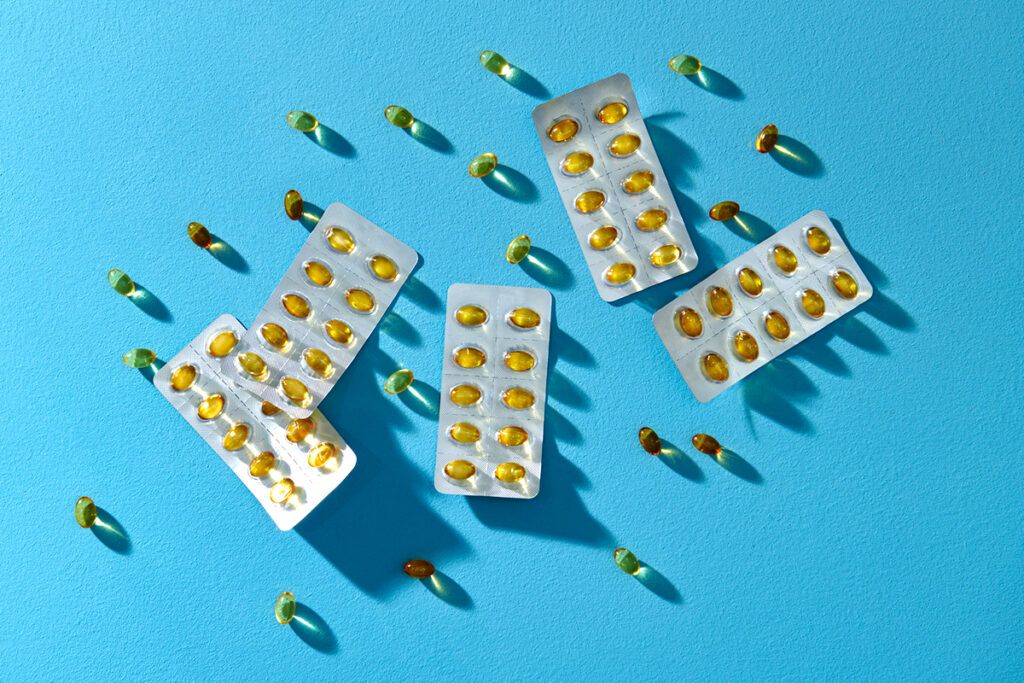
Some natural options for managing high cholesterol include:
Plant sterols and stanols
Plant sterols and stanols may help lower LDL cholesterol by reducing its absorption in the intestines. These compounds are often found in supplements and fortified foods such as vegetable oil-based margarine. Vegetables, fruits, nuts, and legumes also contain natural sterols.
While plant sterols and stanols may have an effect on cholesterol levels, they do not replace the need for statin medications, particularly in severe cases.
Plant sterols and stanols are generally safe, but they may also lead to mild digestive discomfort. For optimal efficacy, you should take plant sterol supplements with a main meal.
Consider talking with a doctor if you’re on cholesterol-lowering medications to ensure that plant sterols and stanols are compatible with your treatment plan and do not reduce your drug’s effectiveness.
Omega-3 fatty acids
Omega-3 fatty acids in fish such as salmon, sardines, and supplements may help reduce triglycerides and moderately affect LDL cholesterol.
While omega-3s help with cholesterol, they do not replace statin medications.
Though generally well-tolerated, high doses of omega-3s can lead to stomach discomfort or an unpleasant fishy aftertaste.
If you’re taking blood-thinning medications, consider talking with a doctor before incorporating omega-3 supplements to avoid potential interactions and unwanted bleeding.
Soluble fiber
Soluble fiber in foods such as oats and some fruits may assist in your efforts to lower LDL cholesterol. It binds to it in the digestive tract, making it easier to remove from your body.
Soluble fiber is generally safe, but a sudden increase in fiber intake may lead to digestive discomfort such as constipation. Making sure you drink enough water throughout the day may help with this side effect.
Garlic
Garlic may help balance LDL cholesterol and triglycerides, according to some studies. Whether consumed fresh or in supplement form, garlic releases allicin, its active compound, when crushed or chopped. Allicin may be behind most of garlic’s health benefits, including cholesterol health.
While garlic can complement your efforts in managing high cholesterol levels, it cannot replace statin medications.
Garlic is generally safe but can thin the blood and sometimes lead to digestive discomfort. So it’s important to consider talking with a doctor if you’re taking blood-thinning medications and want to increase your intake of garlic.
Red yeast rice
Several studies have indicated that red yeast rice contains monacolin K, a substance that has the same structure as lovastatin (Altoprev), a common statin medication.
Pure red yeast rice is not available in the United States, though. The Food and Drug Administration (FDA) doesn’t approve any supplements or products that contain monacolin K.
If you need help covering the cost of cholesterol medications, the free Optum Perks Discount Card could help you save up to 80% on prescription drugs. Follow the links on drug names in this article for savings on that medication, or search for a specific drug here.
Can natural statins be combined with cholesterol medications?
You may be able to combine some natural remedies with prescribed cholesterol medications. But consider talking with a doctor before doing so to assess potential interactions.
Natural compounds, such as plant sterols or omega-3, may increase or decrease the effectiveness of prescription medication, altering the effects you’re trying to reach with your treatment.
Prescription statins for cholesterol
Commonly prescribed statin medications include:
- atorvastatin (Lipitor)
- rosuvastatin (Crestor)
- simvastatin (Zocor)
- pravastatin (Pravachol)
- lovastatin (Altoprev)
- fluvastatin (Lescol)
- pitavastatin (Livalo)
————–
Need a refill for atorvastatin (Lipitor)? You may be able to get an online prescription through Optum Perks in as little as 15 minutes. Learn more here.

Free prescription coupons
Seriously … free. Explore prices that beat the competition 70% of the time.
Get free cardOther tips to lower cholesterol naturally
Other strategies you may want to consider to lower cholesterol naturally include:
- A nutrient-dense diet: Focus on a diet rich in fruits, vegetables, whole grains, lean proteins, and healthy fats. Limit saturated and trans fats, refined sugars, and processed foods.
- Physical activity: Engage in regular movement, such as dancing, climbing stairs, jogging, or brisk walking. Aim for at least 150 minutes of moderate-intensity weekly exercise and engage in strength training at least 2 days per week.
- Alcohol intake: If you drink alcohol, do so in moderation. For males, this typically means up to two drinks per day; for females, it’s up to one drink per day.
- Tobacco use: Smoking may lower your high-density lipoprotein (HDL) known as the “good” cholesterol. It may also damage your blood vessels. If you smoke, quitting smoking may improve cholesterol levels.
- Stress management: Chronic stress may lead to high cholesterol levels. Practice stress-reduction techniques such as deep breathing or yoga to cope with stress.
Summary
Natural statins refer to supplements or food components that may help reduce bad cholesterol levels. They may provide an option to support your medical treatment plan.
Natural statins may include plant sterols, garlic, omega-3 fatty acids, and red yeast rice.
While natural statins may not entirely replace prescribed medications, they may effectively complement your efforts, particularly if you also engage in an active lifestyle and focus on nutrient-dense dietary choices.
Consider talking with a doctor before incorporating natural statins to avoid possible drug interactions and side effects.
Download the free Optum Perks Discount Card to save up to 80% on some prescription medications.