


Ginger is often touted in popular culture as an effective remedy for acid reflux, as well as other ailments of the digestive system.
Acid reflux is when stomach acid flows back into the esophagus (food pipe). Most people experience it occasionally. Persistent symptoms of acid reflux may lead to gastroesophageal reflux disease (GERD), a chronic condition.
Acid reflux often causes a burning sensation in the chest and throat, commonly referred to as heartburn.
Common symptoms of GERD may include:
- frequent and severe heartburn
- chest pressure
- inflammation or damage of the esophagus
- coughing
- a hoarse voice
- damaged tooth enamel
- difficulty swallowing
Does ginger work for acid reflux and GERD?
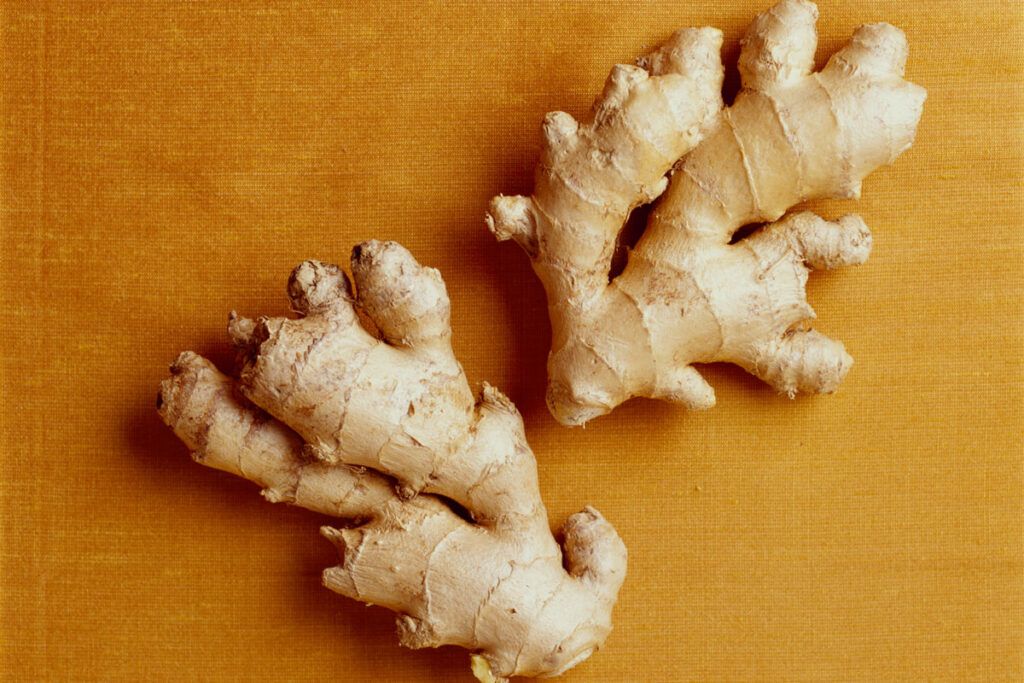
Research on ginger’s effectiveness as a natural aid for gastrointestinal upset, acid reflux, and GERD is inconclusive.
Some studies suggest ginger may relieve some instances of gastrointestinal discomfort, including mild nausea and vomiting during pregnancy. But other large-scale reviews indicate heartburn is, in fact, a common adverse effect of ginger, which means it might worsen your acid reflux symptoms.
Some studies support the sporadic use of ginger in small quantities for some cases of acid reflux.
A 2022 systematic review suggests that ginger might improve GERD symptoms for some people, though it only included two studies. Given the limited reach of the review, these results may not be solid general evidence.
Another 2022 review indicates ginger root might improve heartburn and other GERD symptoms, specifically in pregnant people. Still, the researchers also emphasized the need to be cautious with home remedies, including ginger, during pregnancy.
An earlier 2015 meta-analysis notes that a traditional Chinese medication called Wendan decoction (WDD), which contains ginger, among other ingredients, has improved GERD symptoms in some people. Still, these results cannot be attributed to ginger alone.
A more extensive 2022 narrative review suggests that ginger shows promise in managing digestive symptoms such as heartburn and nausea, especially in pregnant people. Still, we need more and better studies to understand ginger’s effects on these symptoms.
Overall, ginger appears safe for most people, so trying it out as a natural acid reflux remedy likely won’t cause any harm.
Still, medical professionals don’t recommend ginger for some people. For example, if you live with heart disease, take blood thinning medication, or are pregnant, it’s best to consult a healthcare professional before consuming ginger.

How to use ginger for acid reflux and GERD
If you live with GERD and persistent acid reflux, the first recommended step is to discuss the use of ginger with your healthcare professional, particularly if you’re taking any type of medication.
If you have a chronic condition, take prescription or over-the-counter (OTC) medications, are pregnant or nursing, or aren’t sure what causes your acid reflux symptoms, consider asking your healthcare professional whether ginger is suitable for you.
You can introduce ginger into your diet in different ways. Some options include:
- Fresh ginger root: This is a tasty addition to many recipes, including stir-fries, seafood dishes, soups, and marinades. You may cut an inch or less of ginger root and add it to the dish while it cooks.
- Ground ginger: This shelf-stable seasoning suits many dishes, such as sprinkled on baked goods, curries, or spice mixes.
- Juicing with ginger: Fresh ginger adds a spicy kick to homemade juices and smoothies. Popular recipes that include ginger include apple, citrus, and green juices.
- Ginger tea: A soothing way to enjoy ginger is to let it simmer in water. A few slices of fresh ginger root or a dried ginger packet make for a tasty infusion after lunch.
- Ginger shots: Store-bought or homemade ginger shots deliver lots of ginger’s taste and benefits in a few tasty mouthfuls. This may not be pleasant or recommended for everyone.
- Ginger supplements: You can purchase ginger supplements from some pharmacies and health food shops. As with all the other options, you may want to ask your healthcare professionals before trying these out.
If you need help covering the cost of medications, the free Optum Perks Discount Card could help you save up to 80% on prescription drugs. Follow the links on drug names for savings on that medication, or search for a specific drug here.

Free prescription coupons
Seriously … free. Explore prices that beat the competition 70% of the time.
Get free cardMedications for acid reflux
Medications may be the best way to manage chronic and persistent acid reflux and GERD.
OTC medications may include:
- Antacids: These provide quick relief for temporary acid reflux by neutralizing stomach acid. Common antacid examples include calcium carbonate (Tums) and magnesium hydroxide (Milk of Magnesia).
- Histamine-2 receptor antagonists (H2 blockers): These medications reduce how much stomach acid your body produces. Famotidine (Pepcid), cimetidine (Tagamet), and nizatidine (Axid) are common examples.
Prescription medications may include:
- Proton pump inhibitors (PPIs): These are potent acid reducers prescribed for chronic GERD. They can also help heal your esophagus if frequent exposure to stomach acid has damaged it. PPIs include omeprazole (Prilosec), esomeprazole (Nexium), and pantoprazole sodium (Protonix).
- High dose H2 blockers: Some H2 blockers are available by prescription to treat more severe symptoms.
In addition to medication, lifestyle and dietary changes can also improve your symptoms:
- weight management
- sleeping with your head elevated
- discontinuing tobacco use, if applicable
- avoiding trigger foods
A healthcare professional can provide tailored advice on the recommended treatment plan for your condition, overall health, and symptoms.
Download the free Optum Perks Discount Card to save up to 80% on some prescription medications.
Summary
No evidence validates ginger as an effective treatment for acid reflux. Still, some studies suggest some people may find temporary relief with occasional and small doses.
Because ginger may act as a blood thinner, worsen acid reflux symptoms in some people, and interact with certain medications, consulting a healthcare professional is highly advised.