


MS is a chronic and progressive condition that generally occurs between the ages of 20 and 40 years and affects your central nervous system. It specifically affects nerve cells, damaging the protective coating around them known as myelin.
MS is an autoimmune condition where your immune system mistakenly attacks myelin. This process is called demyelination, and doctors cannot yet repair the myelin loss.
MS is a complicated condition. While there is no cure yet, there are things you can do at home alongside medical treatments that may help ease your symptoms.
Is there a natural MS cure?
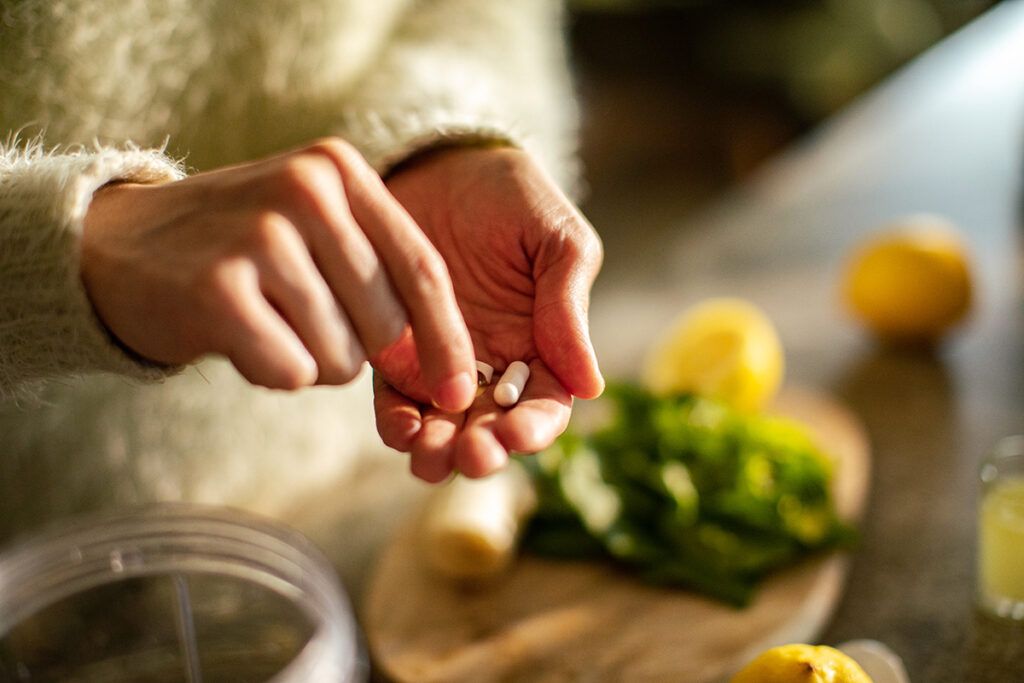
Treatments for MS typically focus on symptom management because researchers do not yet understand what causes it. Often this involves managing symptoms like mobility issues, pain, and difficulty thinking clearly.
There are natural remedies you can try to help relieve these symptoms.
Diet
MS involves chronic inflammation, so a diet that helps manage or reduce inflammation in the body may help lessen symptoms.
While there is little to no scientific evidence to say for certain if any diet can help MS symptoms, anecdotal evidence suggests that following certain diets can help people with MS feel in control of the condition.
MS support groups, such as the National MS Society, offer dietary guidelines that are also good for you and your heart. Following these recommendations may help you feel healthier in general while reducing inflammation.
You may want to try including foods high in antioxidants, like fresh fruits and vegetables, omega-3-rich foods, like oily fish, and whole grains, like quinoa.
Foods to avoid may include:
- Saturated fats: These can worsen MS symptoms and worsen inflammation.
- Whole dairy products: An older 2011 study notes that women who drink whole milk more than three times daily as teenagers are 47% more likely to develop MS than those who consume it less than once daily. A more recent study in mice suggests that limiting dairy may improve symptoms in some people with MS.
- Salt: High salt diets may worsen inflammation in people with MS, but doctors need more research to confirm this.

Vitamin and herbal supplements
The use of herbal remedies and natural supplements to help MS symptoms has increased in popularity. Some studies claim that medicinal herbs can help reduce inflammation levels.
Some alternative supplements include herbs and roots, like:
- Ginkgo biloba: According to the National Center for Complementary and Integrative Health (NCCIH), this herb cannot help treat any health condition. But some studies claim it can reduce inflammation and fatigue in people with MS.
- Turmeric: This herb contains curcumin, a substance that has been shown in mice to potentially help lower inflammation. These properties show promise for reducing MS symptoms.
- St. John’s Wort: Many people with MS experience depression as a complication of their condition. Some studies indicate that this herb can help combat symptoms of depression. Before trying St. John’s Wort, it’s important to speak with a healthcare professional, as it may interact with some MS medications.
Some nutritional deficiencies can worsen MS symptoms. If a doctor or healthcare professional advises that you are deficient in a particular vitamin, taking the following supplements may have some benefit in reducing your symptoms:
- Vitamin B6: This helps to support brain health and myelin formation. However, there is little direct evidence linking B6 intake and MS symptoms.
- Vitamin B1: Thiamin, or vitamin B1, plays a key role in cell growth and may help reduce fatigue in people with MS.
- Vitamins A, C, D, and E: These vitamins are rich in antioxidants that can help slow inflammation progression. However, in high doses, they may not help and could cause adverse effects. Always talk with a doctor before taking these supplements.
Movement
If you have MS, you can benefit from many different types of exercise. If you are able to do so, aerobic exercise can help keep your heart healthy, and strength training can help maintain your musculoskeletal health.
Other forms of exercise, such as yoga, can help with relaxation and offer a low impact way to improve muscular strength.
Fatigue is one of the most common symptoms of MS. Yoga improves your mood, strength, and flexibility and can help manage fatigue. By improving your posture, you may also use less energy throughout the day.
MS Society UK creates video guides for doing yoga with MS.
Complementary therapies
There are a variety of natural therapies that can help manage or reduce different MS symptoms. Some of these include:
- Massage: Massage can help manage the stress and anxiety you may experience with MS. According to a 2022 review, massage therapy can help reduce symptoms of fatigue, back pain, and muscle or nerve spasm in people with MS.
- Cognitive Behavioral Therapy (CBT): According to MS Society UK, clinical depression affects nearly half of all people with MS at some point. Talking therapy, such as CBT, can help you manage these symptoms and learn coping mechanisms.
- Acupuncture: Acupuncture is a form of traditional Chinese medicine. Insertion of very thin needles into the skin’s surface may help relieve pain, improve bladder function, and reduce spasms and fatigue.
Medication options
Medications can help slow the progression of MS and reduce the severity and frequency of episodes. These can be in the form of an injection, intravenous infusion (IV), or oral tablet.
Treatments include:
| Name | Type | Administration | How it works |
|---|---|---|---|
| Interferon beta-1a (Avonex) | Disease-modifying therapy (DMT) | Injectable | DMTs help reduce inflammation by suppressing inflammatory reactions in the body. This medication is one of the most common types for managing MS symptoms. |
| Tecfidera (dimethyl fumarate) | DMT | Oral tablet | These tablets help manage relapsing types of MS. |
| Methylprednisolone (Solu-Medrol) | Steroid | Oral tablet | This is an immunosuppressant medication for mild symptoms of MS. |
| Prednisolone (Orapred) | Steroid | Oral tablet | Helps reduce inflammation across the body. |
| Gabapentin (Neurontin) | Anticonvulsants | Oral tablet | Treats nerve pain by blocking pain signals from the brain to the spine. |
————-
If you need help covering the cost of medications, the free Optum Perks Discount Card could help you save up to 80% on prescription drugs. Plus, you can now get them delivered to your home in as little as 3 days. Search for your medication here.

Free prescription coupons
Seriously … free. Explore prices that beat the competition 70% of the time.
Get free cardDiscussing natural remedies with a doctor
Before you change your diet, exercise routine, or start taking any supplements, it is important to talk with a healthcare professional.
Some supplements and herbs contain strong medicinal properties that can interfere with medications, so it is important to check for interactions before changing your diet or taking supplements.
If you are interested in exploring natural remedies for MS, talk with a healthcare professional about which options may be best for you and your MS symptoms.
Summary
Research into natural MS remedies is limited. More evidence is necessary for healthcare professionals to recommend them as treatments.
If you do wish to try natural remedies, it is essential to check with a doctor or healthcare professional before doing so.
The best treatment for you is specific to your condition and symptoms. It’s worthwhile taking the time to build a regimen with a healthcare team to get the best care possible.
—————
Download the free Optum Perks Discount Card to save up to 80% on many prescription medications. Plus, you can now get them delivered to your home in as little as 3 days. Search for your medication here.