


Need a diagnosis or prescription for acne? You can get discreet and expert on-demand care in as little as 15 minutes through Optum Perks. For $29, answer a few questions online and get a treatment plan from a US-licensed healthcare professional. Get started here.

Overview
Acne is a complex condition that involves the blockage of pores in your skin, overactive oil glands, and an overgrowth of bacteria called Propionibacterium acnes. This can cause outbreaks, which typically occur on the face but may also develop on your shoulders, chest, and back.
Mupirocin (Centany) is an ointment that can help treat acne. While it has not been approved by the Food and Drug Administration (FDA) for treating acne, a doctor may prescribe it off-label if your acne has a staph or strep bacterial infection.
Can mupirocin ointment be used for acne?
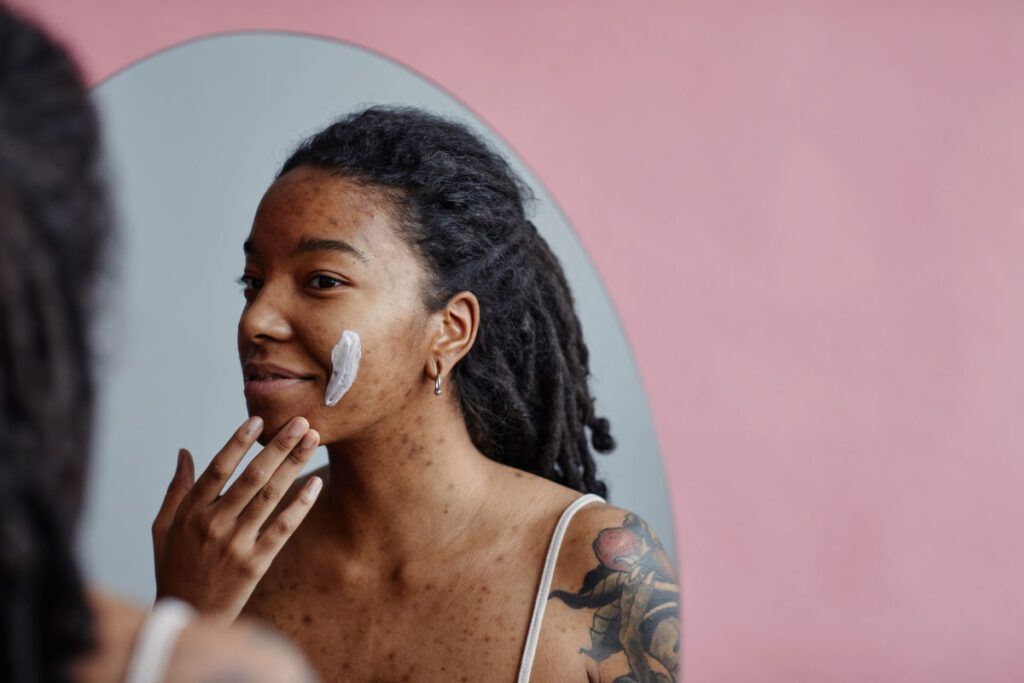
Mupirocin is a prescription treatment that is available as a topical ointment. It can help to treat acne by killing the bacteria that is causing the infection and stopping it from growing.
Mupirocin is not typically recommended as a first-line treatment for acne and also isn’t FDA-approved for this use. However, a doctor may consider prescribing mupirocin off-label if:
- your acne has caused you to develop another bacterial infection
- you are not responding well to other acne treatments, such as topical retinoids or benzoyl peroxide
A doctor may also prescribe mupirocin ointment if you have certain types of acne, like hidradenitis suppurativa, or other skin infections, such as impetigo, infected skin wounds, or infected eczema.
Effectiveness of mupirocin for acne
Mupirocin ointment is an antibiotic medication that may help treat acne by killing or preventing the growth of bacteria on your skin, such as Staphylococcus aureus and Streptococcus pyogenes. Bacteria play an important role in the development of acne, and preventing its growth on your skin may be enough to stop it.
Topical mupirocin, a type of antibiotic, is typically very effective in treating bacterial infections like acne. This is because it can reach a higher antimicrobial concentration in the deeper layers of your skin while having an anti-inflammatory effect.
Mupirocin also promotes the healing of wounds that may have developed on your skin due to acne.
————-
If you need help covering the cost of medications, the free Optum Perks Discount Card could help you save up to 80% on prescription drugs. Plus, you can now get them delivered to your home in as little as 3 days. Search for your medication here.

Free prescription coupons
Seriously … free. Explore prices that beat the competition 70% of the time.
Get free cardFree prescription coupons
Seriously … free. Explore prices that beat the competition 70% of the time.
Get free cardSide effects of mupirocin
If you use mupirocin, you may experience some mild side effects, such as:
- itching
- burning or stinging sensations at the site of application
- rash
- dry skin
- skin tenderness
- skin discoloration
- warm sensation on your skin
- skin inflammation
These symptoms typically go away on their own within a few days. However, if they persist or become worse, consider speaking with a doctor or pharmacist.
In some rare cases, people may develop more serious allergic reactions after applying mupirocin ointment. You should immediately speak with a doctor if you experience any of the following:
- diarrhea
- vomiting
- swelling at the site of application
- anaphylaxis, a life threatening allergic reaction
If you think you are experiencing anaphylaxis, call 911 or your local emergency number right away. Anaphylaxis symptoms can include:
- difficulties breathing or swallowing
- swelling in your throat, tongue, lips, eyelids, hands, feet, or mouth
- rapid heartbeat
- dizziness or feeling faint
- flushing
How long does mupirocin take to work?
How quickly mupirocin takes to work may vary depending on several factors, such as the condition that requires treatment and the severity of your symptoms. However, you should notice an improvement in your symptoms within 3–5 days.
Do not stop the treatment if you notice an improvement or think your symptoms have gone away. Always complete the entire course of mupirocin following the recommendations of your prescribing doctor.
This is because stopping the treatment before completing its entire course may allow the infection to come back stronger and increase the chance of antibiotic resistance.
Lifestyle measures for acne
If you experience acne, several lifestyle measures can help you take care of your skin, improve your symptoms, and prevent this condition. For example, it may be helpful to:
- Keep your skin clean by using a mild cleanser in the morning, evening, and after physical exercise. Rinse the cleanser with lukewarm water.
- Avoid using strong soaps or rough scrub pads.
- Avoid scratching, rubbing, or touching skin lesions, as this may cause scars.
- Use sunscreen to protect your skin, as acne medications can make it easier to get sunburn.
- Shave carefully and use soap and water to soften your hair before applying shaving cream.
- Choose cosmetics that are oil-free and that do not clog pores. These products are labeled as noncomedogenic. However, for some people, these may make acne worse. In this instance, a patch test can be helpful.
Summary
Mupirocin ointment is not an FDA-approved acne treatment. However, doctors may prescribe it for treating secondary bacterial infections in acne or if other FDA-approved acne treatments, such as topical retinoids or benzoyl peroxide, are not effective or not well-tolerated.
Certain lifestyle measures may also help improve and treat acne. These include:
- keeping your skin clean
- avoiding strong detergents
- avoiding rough scrub pads
- avoiding using cosmetics that may clog your pores
- using sunscreen
Mupirocin ointment may cause some mild side effects, such as itching, burning, and stinging. In some rare cases, people may develop a severe allergic reaction. If this occurs, it’s important to seek medical support immediately.