


A breakfast that’s low in cholesterol can benefit people with health conditions like high cholesterol, hypertension, and diabetes. It can also be good for people who want a nutritious and well-balanced start to their day.
There are a variety of low cholesterol breakfast options to try. They range from breakfast staples like oatmeal and eggs to breakfast sandwiches.
If you have high cholesterol, having breakfast is important and can even be essential. According to a 2020 study, not having breakfast can actually raise your “bad” cholesterol levels.
A low cholesterol breakfast can include foods with “good” cholesterol, like avocados.
About cholesterol
Cholesterol is a waxy substance that our liver produces to digest fatty foods and to build cells, vitamins, and hormones. Some cholesterol in our bodies comes from meat, poultry, and other animal products.
Cholesterol is classified into two types:
- Low-density lipoprotein (LDL) cholesterol: Also known as “bad” cholesterol, it can clog your arteries and lead to other harmful effects.
- High-density lipoprotein (HDL) cholesterol: Also known as “good” cholesterol, it can help lower LDL cholesterol levels.
The American Heart Association recommends a daily intake of no more than 300 milligrams (mg) of cholesterol for people without risk factors of heart disease and no more than 200 mg of cholesterol for people who do have a risk of developing the condition.

Low cholesterol breakfast options
Some good options for a low cholesterol breakfast include:
- oatmeal, which has a high fiber content (take care to account for adding sugar, honey, or other sweeteners)
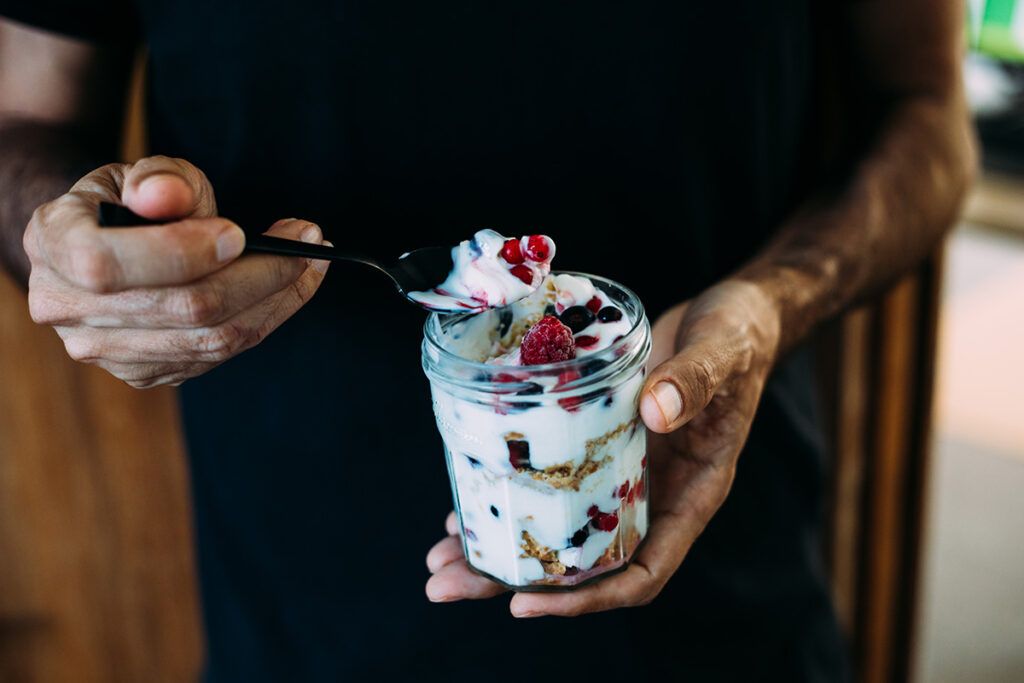
- yogurt with fruits like bananas, apples, and strawberries
- hard-boiled eggs
- avocado on whole grain toast
- muffins made with whole grains
- scrambled eggs with vegetables like spinach and kale (using extra virgin olive oil to scramble them helps increase good cholesterol)
- fatty fish like salmon (perhaps on a whole grain bagel or alongside scrambled eggs)
Some foods that can lower cholesterol include:
- nuts like almonds, walnuts, and peanuts
- citrus fruits
- grapes
- berries
- tea
It’s important to have a balanced diet containing all of the nutrients you need. Speak with a healthcare professional if you’re considering embarking on a low cholesterol diet, as they can help you put together a well-balanced plan.
High cholesterol breakfast foods to avoid
The Centers for Disease Control and Prevention (CDC) suggests limiting or avoiding the following breakfast foods if you’re trying to manage your cholesterol levels:
- full fat dairy products
- fatty meats
- fried breakfast items, like hash browns
- some baked goods
- tropical oils like palm oil and coconut oil
Other foods good for cholesterol
The following may not be traditional breakfast foods, but they are good low cholesterol options:
- beans and pulses like lentils
- dark leafy vegetables
- tofu and other soy-based foods
- garlic
- fatty fish like sardines and mackerel
Treating and managing cholesterol
To manage cholesterol levels, a healthcare professional may recommend medication as well as lifestyle strategies.
Medications can include:
- Statins: the most common type of medication that helps lower cholesterol, including atorvastatin (Lipitor), rosuvastatin (Crestor), and simvastatin (Zocor)
- Cholesterol absorption inhibitors: like ezetimibe (Zetia)
- Proprotein convertase subtilisin/kexin type 9 (PCSK9) inhibitors: like alirocumab (Praluent), evolocumab (Repatha), and inclisiran (Leqvio)
- Adenosine triphosphate lyase (ACL) inhibitors: like bempedoic acid (Nexletol)
- Bile acid sequestrants: like cholestyramine (Questran), colesevelam (Welchol), colestipol (Colestid)
Supplements — like L-carnitine, coenzyme Q10 (CoQ10), fenofibric acid, omega-3 ethyl esters, and niacin — can also help manage cholesterol levels.
Free prescription coupons
Seriously … free. Explore prices that beat the competition 70% of the time.
Get free cardLifestyle adaptations
You can try some lifestyle strategies to manage your cholesterol levels. These may include:
- eating a well-balanced diet that’s low in saturated fats and sugars
- exercising for 150 minutes per week or for 30 minutes 5 days each week
- maintaining a moderate weight
- reducing stress through practices like yoga, meditation, and breathing exercises
- ensuring quality sleep between 7 and 9 hours each day
- avoiding smoking and drinking alcohol (if applicable)
Learn more about natural cholesterol remedies.
Summary
Having a low cholesterol, well-balanced, and nutritional breakfast can help you manage cholesterol levels as well as the risk of heart disease and other health conditions.
A low cholesterol breakfast isn’t limiting or bland. It can include oats, apples, berries, eggs, avocados, whole grain breads, and bananas. There are also foods that can lower your cholesterol, like salmon, almonds, and walnuts.
You may have to consider other options to treat high cholesterol, such as medication and lifestyle strategies. Talk with a doctor or healthcare professional to figure out the best treatment option for your needs and circumstances.