


True to its name, heartburn is a burning sensation you might feel in and around your chest shortly after eating. It’s caused by acid reflux, which is where the stomach acid flows back up the esophagus. Most people will experience heartburn occasionally.
The quickest way to get rid of heartburn is by taking over-the-counter (OTC) antacids. There are also natural home remedies you can try to soothe your symptoms.
If you experience severe heartburn regularly, you might have a condition called gastroesophageal reflux disease (GERD). This requires a doctor’s diagnosis, and treatment involves stronger OTC or prescription medications.
If you experience very severe, sudden chest pain or have other concerning symptoms like weight loss or stomach pain, seek immediate medical treatment.
—————-
Need a diagnosis or prescription quickly? Optum Perks offers personalized on-demand care in as little as 15 minutes. For $39, answer a few questions online and receive a diagnosis and treatment plan from a US-licensed healthcare professional. Get started here.

Antacids for heartburn
In many cases, your heartburn is due to the food you’ve eaten rather than an underlying condition like GERD. In these cases, OTC antacids are a good option. They work by neutralizing the stomach acid that causes your symptoms.
Antacids contain different compounds, most commonly calcium, magnesium, aluminum, or bismuth salicylate. They’re a very quick way to get rid of heartburn: According to a 2022 review, they can get to work within seconds and last for up to 2 hours when taken after a meal.
Some common brands of antacids include:
- Pepto-Bismol
- Alka-Selzer
- Tums
- Rolaids
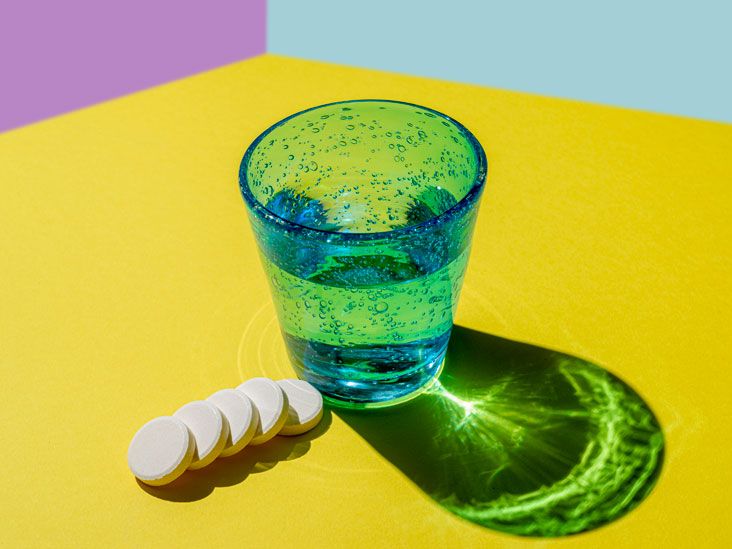
They might come in tablet or liquid form, or you might dissolve them in water.
Antacids are generally very well-tolerated and don’t cause many side effects when you use them as directed. If you do experience side effects, they might include:
- nausea and vomiting
- constipation
- abdominal cramps
- headaches
It’s important to note that antacids are not recommended for long-term use as they may mask an underlying condition like GERD. It can help to manage the symptoms of GERD, but it can’t actually treat the condition.
Home remedies for heartburn
Several home remedies may also help reduce symptoms of heartburn. Some of these may help as a quick, temporary solution, while others might be better for a long-term reduction in symptoms:
- Baking soda: Baking soda mixed with water works similarly to other antacids in that it can neutralize your stomach acid and may temporarily relieve your heartburn. This may be a good, quick solution if you don’t have any store-bought antacids to hand.
- Raise your head: If you’re experiencing heartburn while you’re trying to sleep, consider elevating your head by a few inches so you’re not lying flat.
- Probiotics: Probiotics are a kind of healthy bacteria that can help balance the microbiome in your gut, leading to improved gut health. Some 2020 research suggests that probiotics can be helpful to reduce the incidence of GERD symptoms, including heartburn.
Note that probiotics aren’t necessarily a quick solution to your heartburn. Rather, you could add these to your regular diet to reduce how often you experience heartburn.
Prescription medications
If your heartburn happens regularly and is very severe, it might indicate an underlying condition like GERD. In this case, doctors will likely prescribe medications, although some are also available OTC.
Proton pump inhibitors (PPIs) reduce acid production in the stomach. This makes acid reflux and heartburn much less likely because there is less acid to flow back up your esophagus. Examples include:
- omeprazole (Losec)
- rabeprazole (Aciphex)
- pantoprazole (Protonix)
- lansoprazole (Prevacid SoluTab)
- esomeprazole (Nexium)
- dexlansoprazole (Dexilant)
- omeprazole sodium bicarbonate (Zegerid)
PPIs aren’t suitable for immediate relief from symptoms. It may take up to 4 days to feel the full benefit of the medication, although you might notice improvements sooner than that.
H2 receptor blockers also work to reduce the production of excess stomach acid. They block histamine in the stomach and can lower reflux symptoms, including heartburn. A doctor may prescribe:
- famotidine (Pepcid)
- cimetidine
- nizatidine (Axid)
H2 blockers get to work in about 1 to 3 hours. These may be a better option than PPIs if you’re seeking speedy relief, although doctors will aim to prescribe the best medication for your situation.
————-
If you need help covering the cost of medications, the free Optum Perks Discount Card could help you save up to 80% on prescription drugs. Plus, you can now get them delivered to your home in as little as 3 days. Search for your medication here.

Free prescription coupons
Seriously … free. Explore prices that beat the competition 70% of the time.
Get free cardOnline care for heartburn
While most people will experience heartburn from time to time, if you experience it very regularly, you might consider speaking with a doctor.
Online care services, including Optum Perks Online Care, may make getting treatment easier. With these services, you can submit an online form answering a few questions about your symptoms, and a US-licensed healthcare professional will respond soon after to prescribe a treatment plan.
Preventing heartburn
There are many strategies you can try to help prevent heartburn, whether or not you have an underlying condition like GERD. These include:
- Avoiding lying down right after eating: Waiting a few hours after a meal before lying down may help prevent acid from flowing back up your esophagus, preventing heartburn.
- Opting for water over sugary or acidic drinks: Some 2020 research suggests that choosing water over sodas, teas, or coffees may decrease your chance of experiencing acid reflux symptoms like heartburn.
- Maintaining a moderate weight: There is a link between obesity and higher rates of GERD, so losing weight or maintaining a moderate weight can prevent GERD and heartburn.
- Avoiding trigger foods: If you notice you always experience heartburn after eating certain foods, such as spicy or acidic meals, aim to avoid these to prevent heartburn. A food diary can help you track what may trigger your heartburn.
- Quitting smoking (if you smoke): Tobacco smoking may cause GERD, and quitting smoking reduces the risk of GERD and its symptoms, including heartburn.
- Limiting alcohol consumption: Alcohol is considered a trigger for acid reflux, so limiting your consumption if you drink it will likely reduce incidences of heartburn.
Summary
If you experience occasional heartburn, OTC antacids are a good option to quickly relieve your symptoms. They get to work in seconds to neutralize your stomach acid and may last for up to 2 hours. If you don’t have antacids, you could try baking soda mixed with water and raising your head when you’re sleeping.
In more severe cases, doctors might prescribe stronger medications. These don’t work as quickly as antacids but are better for treating underlying conditions like GERD that cause heartburn.
You can also prevent heartburn by avoiding trigger foods, limiting alcohol if necessary, and choosing water over other drinks.
—————
Download the free Optum Perks Discount Card to save up to 80% on many prescription medications. Plus, you can now get them delivered to your home in as little as 3 days. Search for your medication here.