


Acid reflux occurs when stomach acid flows back up into your esophagus. The esophagus is a tube that carries food from your mouth to your stomach. The lining of the esophagus is not equipped to handle acid, leading to irritation and a burning sensation. This painful experience is commonly known as heartburn.
You may also experience a sore throat or a sour taste in your mouth with acid reflux.
Heartburn may be temporary or persistent. Occasional heartburn may result from dietary choices or lifestyle factors, such as having a heavy meal or spicy food.
You can manage heartburn with medications and natural remedies. Baking soda may be an option to help relieve heartburn in the short term.
—————-
Need a diagnosis or prescription quickly? Optum Perks offers personalized on-demand care in as little as 15 minutes. For $39, answer a few questions online and receive a diagnosis and treatment plan from a US-licensed healthcare professional. Get started here.

Baking soda for heartburn and acid reflux relief
Baking soda is another term for sodium bicarbonate. It has long been hailed as a potential remedy for indigestion and acid reflux.
Does it work?
Baking soda is alkaline, which is the opposite of acid, so it may help neutralize stomach acid and provide relief to heartburn. It’s a common ingredient in antacids, suggesting its effectiveness in treating acid reflux and associated symptoms in some people.
According to some 2023 research, mineral water fortified with bicarbonate was found to be better than a placebo in relieving heartburn.
A 2022 review suggests that antacids, including those containing baking soda, provide effective relief from acid reflux, gastroesophageal reflux disease (GERD), and associated symptoms like heartburn.
However, baking soda only works to help relieve the immediate symptoms of acid reflux as it neutralizes the acid. It doesn’t actually stop the acid from being created. So baking soda isn’t a suitable long-term treatment for conditions causing heartburn like GERD.
How to use baking soda for heartburn
Dosage guidelines for baking soda may vary, so it may be best to consult with a healthcare professional before taking it.
The best time to take baking soda for heartburn is 1 to 2 hours after a meal. Experts recommend you avoid taking it when your stomach is too full. You can take it up to four times per day.
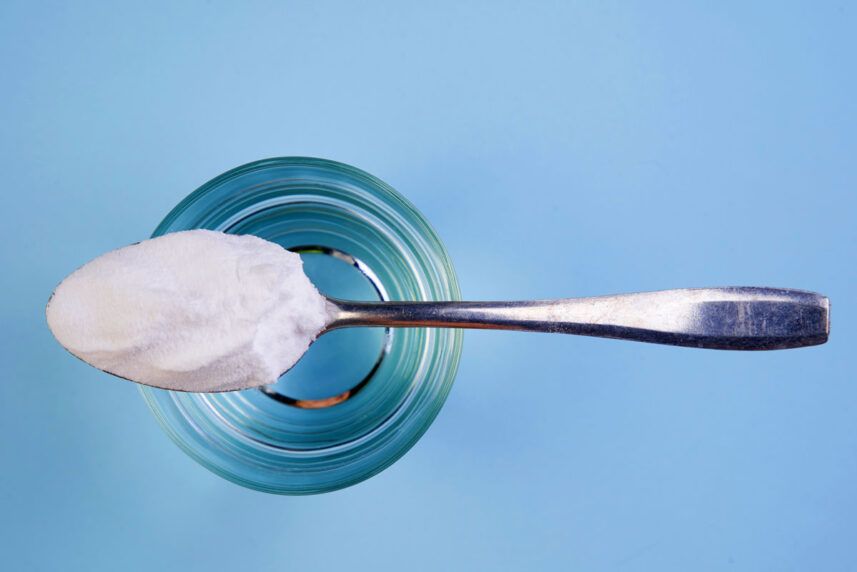
Based on anecdotal and literature information, half a teaspoon of baking soda in 8 to 12 ounces (oz) of water may offer quick heartburn relief, particularly on an empty stomach. The mix may start working within seconds, and the effects may last up to 2 hours.
An antacid containing baking soda may be safer and more effective, though. You can then follow the dosage and frequency recommended on the packaging.
Precaution and considerations
While baking soda may provide temporary relief, there are precautions to consider.
Consuming too much baking soda may lead to fluid buildup. It may also disrupt the body’s natural acid-base balance and lead to metabolic alkalosis when your blood turns too alkaline.
Because of these risks, using baking soda for heartburn is not recommended for:
- pregnant people
- children ages 2 and younger
- people with heart or kidney disease
Consult with a healthcare professional before taking baking soda or antacids if you’re taking these medications:
- antibiotics
- nonsteroidal anti-inflammatory drugs (NSAIDs)
- mesalamine (Apriso) or sulfasalazine (Azulfidine) for ulcerative colitis
Taking alkaline medications may also affect how other medications are absorbed in your body. Some substances, such as iron, are better absorbed in acidic environments.
Using baking soda after eating large amounts of food in one sitting may cause severe adverse effects, including stomach rupture.
Medications for heartburn
The most effective medication for heartburn depends on the duration and severity of your symptoms.
Antacids
Over-the-counter (OTC) medications may help neutralize stomach acid. They suit occasional, mild heartburn symptoms. Options may include:
- calcium carbonate (Tums, Calci-Chew, Alka-Mints, Oyster Calcium)
- magnesium hydroxide (Milk of Magnesia, Rolaids)
- bismuth subsalicylate (Pepto-Bismol)
The American College of Gastroenterology recommends that you consult a doctor before using OTC antacids more than twice a week. This is to rule out any underlying health conditions, explore if lifestyle measures could help you, and assess whether you could benefit from prescription medications.
Proton pump inhibitors
PPIs reduce how much acid your stomach produces. You typically need a prescription to buy them, though a few options are available OTC.
PPIs may help manage severe heartburn.
Options include:
- dexlansoprazole (Dexilant)
- pantoprazole (Protonix)
- lansoprazole (Prevacid)
- esomeprazole (Nexium)
- omeprazole (Prilosec)
- rabeprazole (Aciphex)
H2 blockers
These medications also reduce how much acid your stomach produces. They require a prescription. They may be a better option than PPIs to take long term as they may be better tolerated.
Options include:
- famotidine (Pepcid AC)
- cimetidine (Tagamet)
- nizatidine (Axid)
Gastrointestinal (GI) stimulants
These prescription drugs help contract the muscles in your digestive system, making your stomach empty faster.
Options include metoclopramide (Reglan).
————-
If you need help covering the cost of medications, the free Optum Perks Discount Card could help you save up to 80% on prescription drugs. Plus, you can now get them delivered to your home in as little as 3 days. Search for your medication here.

Free prescription coupons
Seriously … free. Explore prices that beat the competition 70% of the time.
Get free cardOnline care for heartburn
You can manage heartburn with lifestyle and OTC remedies. But in more severe cases, such as GERD, it may be better to seek prescription antacid treatments from a doctor.
Online care services, including Optum Perks Online Care, may make getting treatment easier. With these services, you can submit an online form answering a few questions about your symptoms, and a US-licensed healthcare professional will respond soon after to prescribe a treatment plan.
Note that this can be a good way to start a treatment regimen for GERD. But if your symptoms persist for a long time, you may need to be referred for further diagnostic testing.
Summary
Baking soda may help relieve heartburn and other symptoms of acid reflux. But you may want to consult a doctor before taking it as a regular aid. Potential side effects may include drug interactions and stomach rupture.
OTC and prescription medications like antacids, H2 blockers, and PPIs may be safer options.
—————
Download the free Optum Perks Discount Card to save up to 80% on many prescription medications. Plus, you can now get them delivered to your home in as little as 3 days. Search for your medication here.