


Key takeaways
- Sinus headaches can happen when inflammation or infection in your sinuses causes pressure buildup. Over-the-counter (OTC) pain relievers like ibuprofen or acetaminophen may help within 5 to 60 minutes, while decongestants can reduce pressure in 15 to 30 minutes.
- Home remedies like sinus massage, nasal irrigation with a neti pot, and steam inhalation can provide quick relief by reducing pressure. These methods work temporarily, so you may need to repeat them as pressure builds back up.
- Most sinus infections are viral and resolve on their own with symptom management. If bacteria cause your infection, your healthcare professional may prescribe antibiotics like amoxicillin, which should help you feel better within 72 hours.
Overview
Sinus headaches happen when your sinuses — the air-filled spaces in your skull behind your forehead, nose, and cheeks — become inflamed or infected. This causes a buildup of pressure, which can cause symptoms like a headache.
You might have inflamed sinuses for several reasons, including:
- sinusitis
- viral infections
- allergies
Sinus inflammation can be uncomfortable, and while no treatments can get to work instantly, they may help soothe your symptoms quickly. Treatments often include a combination of medications and home or natural remedies.
————–
Need a diagnosis or prescription for an upper respiratory infection (URI)? You can get discreet and expert on-demand care in as little as 15 minutes through Optum Perks. For $39, answer a few questions online and get a treatment plan from a US-licensed healthcare professional. Get started here.

Can OTC medications help quickly?
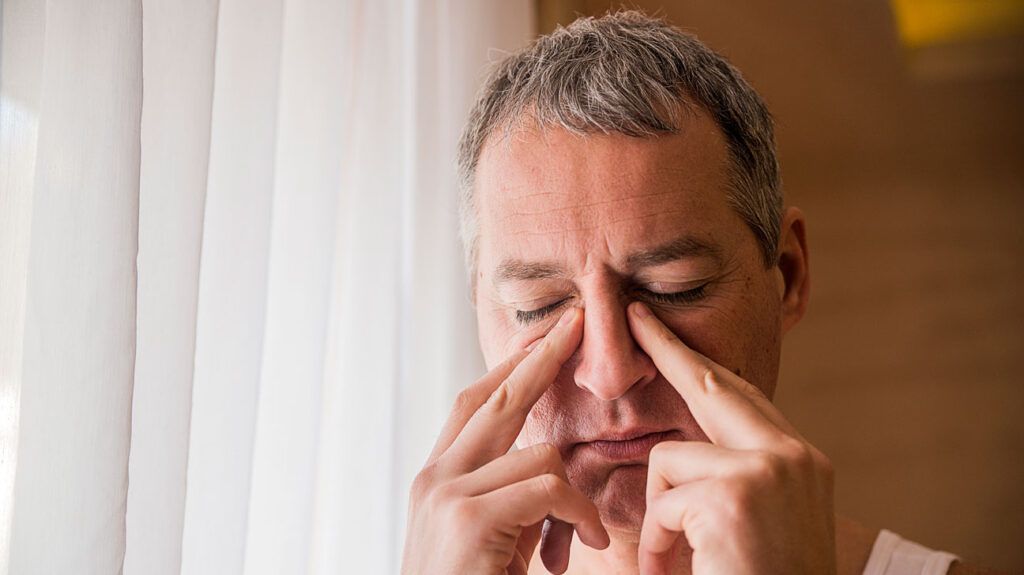
If you’re experiencing a sinus headache, OTC pain medications will likely be your first choice for treatment. These may include:
While not instantaneous, these medications can get to work quickly. For example, you should start to notice the effects of ibuprofen within 30 to 60 minutes and lasting up to 8 hours. Acetaminophen may be quicker, getting to work in 5 to 10 minutes, but only lasting up to 6 hours.
You may also consider trying OTC decongestants to reduce sinus pressure. This doesn’t directly treat a sinus headache, but relieving sinus pressure will likely reduce your symptoms. These usually come either as an oral tablet or as a nasal spray. Examples include:
- pseudoephedrine (Sudafed)
- phenylephrine (Sudafed PE)
- oxymetazoline (Afrin)
Oral pseudoephedrine usually gets to work after 30 minutes of taking it. Nasal decongestants usually get to work slightly quicker — within around 15 minutes. These should only be used for a maximum of 3 days.
It’s important to note that these OTC remedies aren’t typically targeting the cause of a sinus headache, so they won’t clear up an infection if you have one — they simply help you to feel better. You may also need prescription medications to treat your condition.
What prescription treatments can help?
The vast majority of cases of sinusitis are due to viruses, which means that doctors are unlikely to prescribe medications for them. However, there are some cases where prescription treatments may be necessary.
For example, if a sinus infection is caused or worsened by bacteria, doctors will likely prescribe antibiotics. The first-line treatment for bacterial sinus infections is amoxicillin (Amoxil) or amoxicillin-clavulanate (Augmentin) for 5 to 10 days. You should start to feel better within 72 hours — otherwise, doctors will consider the treatment to have failed.
Some other medications can help ease symptoms, including headaches. For example, inhaled nasal steroids may reduce swelling in your nose, which may help relieve pressure and headaches. A 2023 research review suggests that these can be very effective for treating chronic sinusitis.
Examples include budesonide (Rhinocort), flunisolide (Nasalide), and fluticasone propionate (Flonase).
————-
If you need help covering the cost of medications, the free Optum Perks Discount Card could help you save up to 80% on prescription drugs. Plus, you can now get them delivered to your home in as little as 3 days. Search for your medication here.
Free prescription coupons
Seriously … free. Explore prices that beat the competition 70% of the time.
Get free cardNatural remedies to manage sinus headaches
Sinus headaches can be caused by viral infections like the common cold, meaning there’s very little doctors can do to treat your condition. However, several natural remedies can help relieve sinus pressure and reduce headaches.
These methods can get to work very quickly, and relieving the pressure in your sinuses is a good way to reduce sinus headaches. However, be aware that the effects are usually temporary, so you may need to repeat these methods when pressure builds back up until you recover.
Sinus massage
One way you may be able to relieve some pressure is by massaging the area in your face where you feel the buildup. Humans have four pairs of sinuses, three of which are in the face. Pressure in the frontal sinuses is most likely to cause headaches. You can manage this by gently massaging your forehead right above your eyes.
To do this, place your index and middle fingers on the affected area and gently apply pressure while massaging slowly in a circular motion. You might find that this relieves the pressure for a time, but you will likely need to repeat the process throughout the day as the pressure builds back up.
Nasal irrigation
Another method to reduce sinus pressure is nasal irrigation, also known as sinus rinsing. This involves using lukewarm, sterile water and a device like a neti pot to flush out your sinuses. This can relieve pressure and may also flush out allergens like pollen if that’s causing the inflammation.
Steam inhalation
Finally, steam inhalation is a common home remedy for colds and sinus infections, and the Centers for Disease Control and Prevention (CDC) recommends it for sinus infections. It can loosen the mucus in your nasal passages and open your airways, lowering pressure.
Online care for sinus infections
While many home and OTC remedies are generally the quickest way to soothe a sinus headache, it’s important to seek the right treatment if you have an underlying infection.
Online care services, including Optum Perks Online Care, may make getting treatment easier. With these services, you can submit an online form answering a few questions about your symptoms, and a US-licensed healthcare professional will respond soon after to prescribe a treatment plan.
Next steps
If you have sinus pressure causing a headache, here are some next steps you can consider:
- Try home remedies: Home remedies are the first things you can try to ease your symptoms quickly.
- Try OTC meds: OTC medications also get to work quickly, but they don’t treat the underlying infection.
- Get a diagnosis: You can speak with a doctor online or in person to see what the cause of your sinus pressure is.
- Follow prescription advice: If your doctor prescribes treatment, follow it exactly. This will help you feel better as soon as possible.
————-
If you need help covering the cost of medications, the free Optum Perks Discount Card could help you save up to 80% on prescription drugs. Plus, you can now get them delivered to your home in as little as 3 days. Search for your medication here.
Free prescription coupons
Seriously … free. Explore prices that beat the competition 70% of the time.
Get free card