


High cholesterol is a contributing factor to cardiovascular health. Your healthcare professional may want to check cholesterol levels to determine if medical intervention or lifestyle modifications are needed.
Experts recommend that all healthy adults have a lipid panel, also called a cholesterol test or panel profile, at least once every 4–6 years. If you live with diabetes or heart disease or have a family history of high cholesterol, they may recommend that you test more often.
To get your cholesterol levels checked, you’ll have your blood drawn. The test will look at your levels of:
- high-density lipoprotein (HDL), or “good” cholesterol
- low-density lipoprotein (LDL), or “bad” cholesterol
- triglycerides
- total cholesterol, or the total amount of cholesterol in your blood according to the previous three numbers
Your healthcare professional may ask you to fast for a few hours before having the test done. However, new evidence might suggest that fasting before a cholesterol test is not always the best option.
How many hours should you fast before a lipid profile?
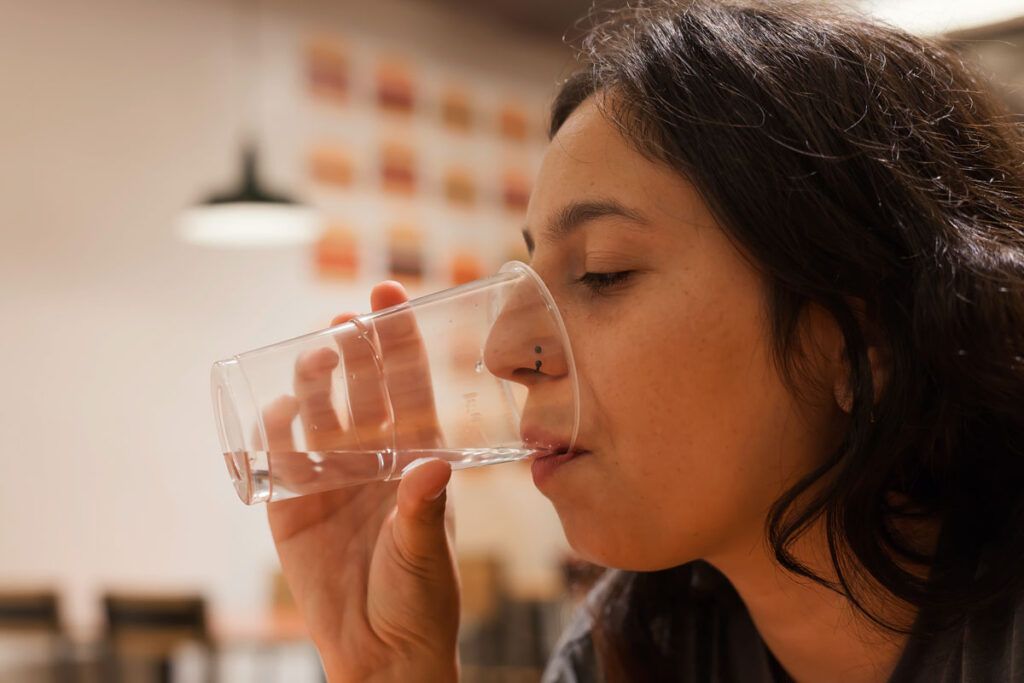
Traditionally, your healthcare professional may ask you to fast for 9–12 hours before having your cholesterol checked. Fasting means you don’t eat or drink anything for that period of time.
Doctors may ask you to fast because an equation they use to calculate levels of LDL, or bad cholesterol, and triglycerides tends to show lower results in people who don’t fast. This is called the Friedewald equation.
Eating may also affect your blood levels of LDL cholesterol and triglycerides.

Fasting vs. non-fasting cholesterol tests
According to the American College of Cardiology, the recommendation for fasting before a lipid panel is changing.
Some experts may recommend non-fasting lipid profile testing, particularly for people who have a high chance of developing cardiovascular disease or who are not taking statins.
Statins are the best medications to lower cholesterol.
In general, according to a 2019 review of research, evidence suggests that when it comes to predicting cardiovascular risk, fasting before a lipid panel may not be preferable to not fasting.
A 2016 study of more than 8,000 people found that the difference in test results between people who fasted and people who didn’t fast before a lipid profile was negligible. The Canadian Cardiovascular Society and the College of Family Physicians recommend non-fasting testing for complete lipid profiles.
But because results depend on what equation and measurement criteria laboratories use, you may want to ask your doctor whether you need to fast before your test to ensure accurate results.
What happens if you fast for more than 12 hours?
If you fast for too long, from 13 hours to 3 days, a cholesterol test may not reflect your levels accurately.
Fasting may affect your metabolism and temporarily reduce blood levels of LDL cholesterol and triglycerides, particularly if you have prediabetes.
Can you drink water when fasting for a lipid panel?
If your healthcare professional asks you to fast before a lipid panel test, you cannot eat anything for the length of your fasting period. This includes fluids like juices, coffee, and broth.
Water is an exception, though. You may drink water if you need to.
What to eat and not to eat before fasting for a lipid panel test
If your doctor recommends you fast before a lipid panel, avoid all food and fluid intake but water for 9–12 hours before your test. Before you start your fast, you can follow your regular diet.
If they do not ask you to fast before the lipid test, you may also follow your regular diet.
You may want to ask your health professional about medications and supplements. Some of these may alter your test results. Do not skip any medications unless strictly advised by your healthcare professional.
How is high cholesterol treated?
If your lipid panel reflects high levels of total or LDL cholesterol, your healthcare professional may suggest cholesterol medications. These may include:
- lovastatin (Mevacor)
- simvastatin (Zocor)
- atorvastatin (Lipitor)
- fluvastatin (Lescol)
- rosuvastatin (Crestor)
Engaging in regular physical activity and following a diet low in fatty foods and high in nutrient-dense foods is also recommended.
————-
If you need help covering the cost of medications, the free Optum Perks Discount Card could help you save up to 80% on prescription drugs. Plus, you can now get them delivered to your home in as little as 3 days. Search for your medication here.

Free prescription coupons
Seriously … free. Explore prices that beat the competition 70% of the time.
Get free cardSummary
A lipid panel measures the levels of fat in your blood, which include good and bad cholesterol, triglycerides, and total cholesterol.
Your healthcare professional may ask you not to eat or drink anything except water for 9 to 12 hours before your test. This is called fasting.
Some healthcare professionals may prefer that you do not fast before a lipid panel. Asking your healthcare professional about food, liquid, and medication intake before your test is highly recommended.
—————
Download the free Optum Perks Discount Card to save up to 80% on many prescription medications. Plus, you can now get them delivered to your home in as little as 3 days. Search for your medication here.