


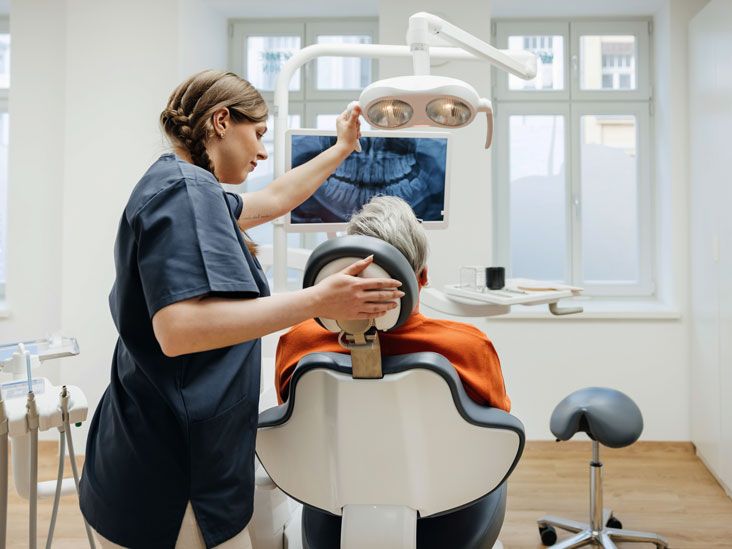
Lidocaine is a local anesthetic that healthcare professionals use to help prevent pain during various procedures. It comes in several forms, such as:
- topical forms that you apply to your skin, like a cream or patch
- an injection given by a healthcare professional
- a spray or mist
A doctor, dentist, or medical professional will typically give lidocaine for some nerve pain conditions. However, you may be able to use lidocaine patches at home.
—————-
Need a diagnosis or prescription quickly? Optum Perks offers personalized on-demand care in as little as 15 minutes. For $39, answer a few questions online and receive a diagnosis and treatment plan from a US-licensed healthcare professional. Get started here.

How exactly does lidocaine work?
Whether you receive it to help minimize pain and discomfort during a dental procedure, childbirth, or lumbar puncture, lidocaine works by blocking certain pain signals in your nerve endings. This causes certain areas of your body to feel numb.
Lidocaine is a local anesthetic, which is a type of medication that numbs the specific part of the body where you apply or inject it. This provides temporary relief in that specific area without causing you to lose consciousness or fall asleep as you do with general anesthesia.
High doses of lidocaine or too much lidocaine absorbed in your bloodstream can affect your heart and blood vessels. It may lower blood pressure, slow down your heart, or reduce how strongly the heart pumps blood. Lidocaine can interfere with how nerves and muscles in the heart work, causing them not to function optimally. These effects are uncommon with usual topical use, but they may occur if lidocaine is given in large amounts or to people with heart conditions.
The mechanism of action for lidocaine is the same whether you receive it as an injection, spray, or apply it topically. (A mechanism of action is the way that a drug works.) But these different forms will likely take different amounts of time to start working. See the “How long does lidocaine take to work?” section for more information.
How does lidocaine block nerve signals?
The way lidocaine works to stop pain signals from your nerves from reaching your brain by acting on the sodium ion channels. These channels are like tiny gates on nerve cells that allow sodium ions to move in and out, creating electrical signals that help nerves send messages.
When lidocaine blocks these channels, the nerve cells can’t generate the electrical changes needed to signal pain to the brain. This interruption prevents the sensation of pain from being transmitted to the brain, providing relief in the numbed area.
Does lidocaine heal or just numb?
Because lidocaine works by blocking pain signals from nerves, it mainly creates a numbing effect. Healthcare professionals may also use lidocaine to help prevent itching, burning, or pain from minor burns, cuts, scrapes, or insect bites. However, it does not work to heal wounds or injuries. You should not use it for this purpose.
If you have questions about how you should be using lidocaine, talk with your doctor. They can also help you find the best treatment to heal a wound or an injury.

Free prescription coupons
Seriously … free. Explore prices that beat the competition 70% of the time.
Get free cardHow long does lidocaine take to work?
How long lidocaine takes to start working will depend on:
- the form of lidocaine you receive
- how much lidocaine you receive
- where you receive it
- your overall health
A lidocaine injection will typically start to work very quickly. You’ll usually start to experience numbness in the injected area within a few minutes.
Lidocaine cream or ointment you apply to your skin will usually start working in 3 to 5 minutes.
It may take longer to feel the numbing effect from over-the-counter forms of lidocaine. People typically feel a numbing sensation in 30 to 60 minutes.
Summary
Lidocaine works by blocking specific pain signals in your nerve endings from reaching your brain, which results in the specific part of your body where it is applied or injected to become numb. Most forms of lidocaine start working within a few minutes.
Although healthcare professionals use lidocaine ointment on minor cuts, scrapes, and burns, it is only meant to provide pain relief and does not heal them.
If you have questions about how lidocaine works, talk with your doctor or healthcare professional. They will be able to provide you with more information as per your situation.