


Key takeaways
- Glucagon-like peptide-1 (GLP-1) medications may not work for everyone. Side effects like nausea or vomiting, weight loss plateaus, high costs, or genetic factors can all be reasons to switch or stop.
- Switching to a new GLP-1 medication requires a washout period of around 7 days before starting the new drug. You can also switch from an injectable GLP-1 to an oral pill version with a doctor’s guidance.
- If you stop taking a GLP-1 medication, many doctors recommend a structured taper over 8 to 12 weeks to help your metabolism adjust. If you have diabetes, talk with your doctor about a blood sugar management plan before stopping.
Overview
Glucagon-like peptide-1 receptor agonist medications (GLP-1s) are typically considered to be safe and effective for different purposes, including weight management and blood sugar regulation. However, everyone responds differently to treatment, and GLP-1s might not be right for everyone.
A GLP-1 not working for you isn’t the end of the line for your treatment journey. It may mean your treatment needs some adjustment, or maybe you need to switch to a new medication.
—————
New to GLP-1s or due for a refill? Connect with a U.S.-licensed healthcare professional today — no membership fees, just a $39 visit. If prescribed, your medication can be shipped straight to your door. Start your Rx request here.

Reasons for stopping or switching
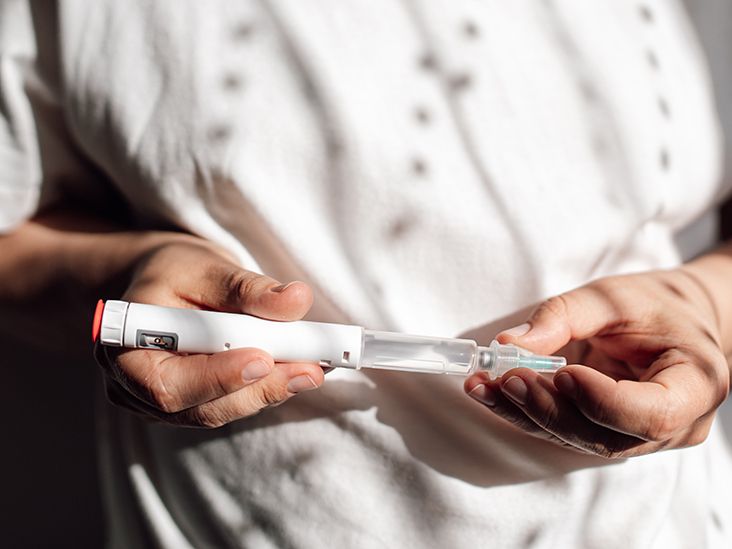
While GLP-1s are typically considered to be very effective, everyone responds differently to medications, and discontinuation rates for these drugs are high.
There are several reasons why GLP-1s may not be right for you.
Side effects
GLP-1s are known to cause certain side effects. Some of the most common are gastrointestinal side effects, such as nausea, vomiting, diarrhea, or constipation. These are most common early in treatment as your body gets used to the medication, but they’re typically mild and go away on their own with time.
However, some people experience severe side effects that don’t go away and impact their daily life. In fact, adverse events are among the most common reasons for people to stop taking GLP-1s.
If this is the case for you, you can speak with your doctor about your dosage. It may be the case that your body isn’t used to the medication yet. Your doctor might also provide tips for your diet and hydration to help ease side effects.
You might also consider switching to another brand. For example, some studies suggest that Trulicity (dulaglutide) may be less likely than other GLP-1s to cause severe nausea and vomiting.
Weight loss plateau
If you’re using a GLP-1 for weight management, it may get to a point where you’re no longer seeing changes on the scale. This is a common part of your GLP-1 journey, and it may happen at different times. For example, some research suggests that it may occur after 68 weeks for people taking semaglutide (Wegovy, Ozempic).
In some cases, this may mean that your doctor should increase your dose. But in others, it could mean that you’ve reached your goal weight, and you may wish to stop the medication.
It’s important to note that while some people stop GLP-1s after reaching their goal (often after 1 to 2 years), many healthcare providers now view obesity as a chronic condition that requires long-term maintenance. Many people may regain the weight they lost after discontinuation.
This may mean staying on a maintenance dose of a GLP-1 for the long term. However, if you want to stop the GLP-1 entirely, you can speak with your doctor about strategies to avoid weight regain.
Genetics
Not everyone responds to GLP-1s the same way. In some cases, it may take more time or a higher dose to reach a desired effect. In other cases, the GLP-1 may just not be quite right for you.
Some research suggests that between 9% and 27% of people may have little or no response to GLP-1 therapy, meaning the medication has not been able to manage blood sugar or lead to weight loss. This may be due to specific genes that some people have.
If none of these options are right for you, your doctor might suggest pivoting your treatment completely. They might recommend other medications for type 2 diabetes. For weight management, they may consider surgical options or other weight-loss medications.
Costs
GLP-1s can be expensive, and insurance coverage isn’t guaranteed. High costs are another common reason that people give for stopping GLP-1s. This doesn’t mean GLP-1s aren’t right for you. Instead, it may be worth looking into other options to pay for your treatment:
- appeal insurance denials
- look into manufacturer savings options
- try self-pay options
- look into discount cards, like the Optum Perks Discount Card
- explore government programs like TrumpRx
Switching to a new GLP-1
It is possible to switch between GLP-1s, as long as it’s done with the guidance of a healthcare professional, who may discuss the benefits and drawbacks of available GLP-1s with you to help you pick a new one.
Before switching, you will need to wait until the old medication leaves your system, known as the washout period. This is usually around 7 days, although it may be longer if you were on a high dose. Then a doctor will use the recommended starting dose of the new medication.
Once you restart on a new GLP-1, you might experience the side effects associated with the beginning of GLP-1 treatment, such as nausea and vomiting. These should go away with time.

Free prescription coupons
Seriously … free. Explore prices that beat the competition 70% of the time.
Get free cardCan I switch from an injected GLP-1 to a pill?
You can switch from an injectable GLP-1 to an oral pill version, which you may find to be easier or more convenient to take, as long as you do so with the supervision of a doctor.
Similarly to switching between injectable GLP-1s, you will still need to wait until the old medication leaves your system before starting the new one.
Stopping GLP-1s
If you find that GLP-1s aren’t right for you, it is possible to stop taking them.
While GLP-1s don’t cause a withdrawal effect like some medications, stopping altogether can lead to a rapid increase in appetite and blood sugar spikes. Many doctors recommend a structured taper over 8 to 12 weeks to help your metabolism adjust.
Common tapering methods include gradually moving to lower strengths before stopping or increasing the time between doses (e.g., every 10 days instead of 7).
| Safety note: If you have diabetes and stop a GLP-1, your blood sugar management will likely need to change, and quickly. Your doctor may need to restart or adjust other diabetes medications. Do not stop a GLP-1 without a diabetes management plan in place. |
Online care for GLP-1s
If a doctor has prescribed a GLP-1, it’s important to take the medication as directed for as long as your doctor recommends. However, some people might face barriers to accessing GLP-1s, including high costs and access to healthcare appointments.
With Optum Perks Online Care, you can request a new weight loss prescription, get a refill, or get help with an existing prescription. There’s no monthly membership needed — all you’ll pay is $39 for the appointment plus the cost of the medication.
With this service, you can submit an online form answering a few questions about your condition, and a licensed healthcare professional will respond soon after, without the need to make an in-person appointment.
Summary
Like any medication, everyone responds differently to GLP-1s, and they may not be right for you. Side effects, costs, and reduced effectiveness are all common concerns. If that is the case, switching to a new GLP-1 or stopping altogether may be an option.
Remember that if a GLP-1 doesn’t work for you, it isn’t the end of the road. You can work with your doctor to find a treatment plan that’s right for you.
—————
Download the free Optum Perks Discount Card to save up to 80% on many prescription medications. Plus, you can now get them delivered to your home in as little as 3 days. Search for your medication here.