


Key takeaways
- While common side effects like nausea typically fade, some research suggests a small long-term risk increase for bone conditions like osteoporosis and eye issues like diabetic retinopathy, even as the drugs provide massive heart and kidney benefits.
- Most side effects reverse when treatment stops, but severe complications like vision changes, permanent pancreatic scarring, or significant bone density loss may be irreversible if not caught early.
- Because researchers are still learning about how these drugs affect the body over five to ten years, it is crucial for doctors to regularly monitor patients for bone health, vision changes, and organ function.
Overview
Glucagon-like peptide-1 receptor agonists (GLP-1s) are a group of medications including semaglutide (Ozempic, Wegovy), tirzepatide (Mounjaro), and liraglutide (Saxenda). Originally used to manage blood sugar in people with diabetes, GLP-1s are now also widely used for weight management.
GLP-1s are still relatively new medications, and their approval for weight management is even more recent. Although the safety of these drugs has been extensively tested before approval, research is still emerging about the long-term effects of GLP-1 drugs.
————–
New to GLP-1s or due for a refill? For just $39, connect with a U.S.-licensed healthcare professional today — no membership fees required. If prescribed, your medication ships straight to your door. Start your Rx request here.

Do GLP-1s have long-term side effects?
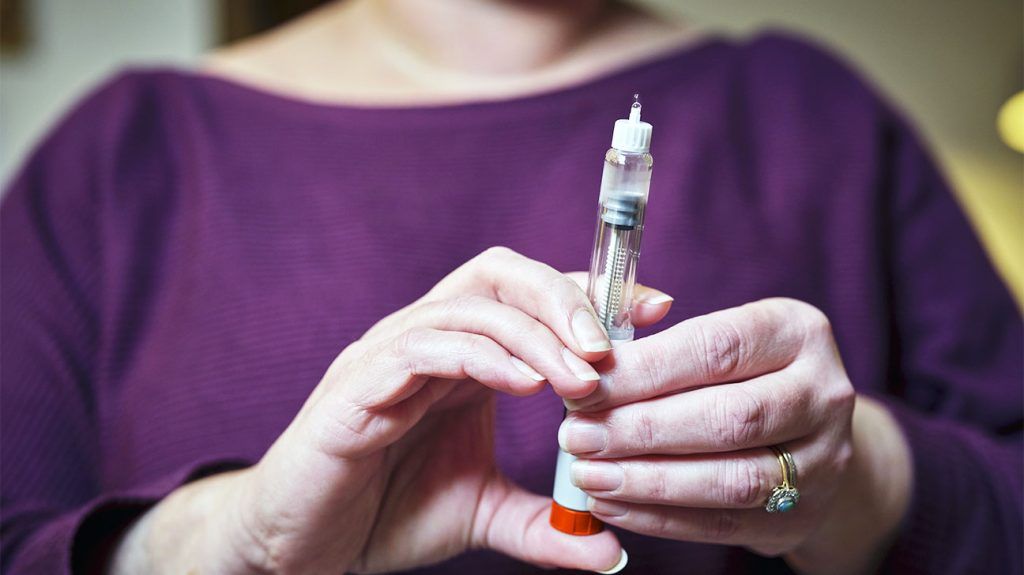
Some of the most common side effects of GLP-1s are gastrointestinal effects like nausea and diarrhea. However, these effects are more common at the start of treatment and generally go away in a few weeks as your body gets used to the medication.
GLP-1s like Ozempic and Wegovy are generally used as a long-term treatment for blood sugar management or weight loss. However, research into their long-term side effects is still ongoing, simply because people need to have been taking the medication for a long time before researchers can study them.
Some of the possible long-term effects of GLP-1 medications include:
Musculoskeletal health
Your musculoskeletal health refers to the health of your bones and muscles.
In March 2026, new research was presented at the annual meeting of the American Academy of Orthopedic Surgeons that suggested that patients taking GLP-1s had a slightly higher chance of developing osteoporosis, osteomalacia, and gout over a 5-year period.
However, the researchers noted that the increased risk was slight, and more research is needed to clarify the risk. Your doctor should continuously monitor you throughout GLP-1 treatment to check for side effects like this.
Osteoporosis and osteomalacia are both bone conditions characterized by weakened bones and an increased risk of fractures. Gout, on the other hand, affects your joints and is caused by a buildup of uric acid.
It’s not yet clear why GLP-1s may affect your musculoskeletal health, but it may be due to how the drugs affect your body’s absorption of nutrients.
Eye health
GLP-1 medications may also have an impact on eye health. For example, a 2025 review of studies suggests that long-term use of GLP-1s is associated with worsened diabetic retinopathy, a condition where high blood sugar damages the blood vessels in your eyes, with longer treatment periods associated with a higher risk.
However, it’s important to note that untreated type 2 diabetes can also lead to diabetic retinopathy, so it’s important to manage blood sugar levels, and GLP-1s are often prescribed for this purpose. Research evidence into this side effect is also still limited and of low quality.
Pancreas health
In rare cases, GLP-1 medications are associated with an increased risk of pancreatitis, which is a severe inflammation of the pancreas. It can cause symptoms like severe abdominal pain, nausea, and fever. In fact, GLP-1s like Ozempic carry warnings about the risk of pancreatitis.
Some 2025 research found a slightly increased risk of pancreatitis over an average treatment period of 43.5 weeks. However, another 2025 paper found that the lifetime risk of pancreatitis actually decreases with GLP-1 use.
————-
If you need help covering the cost of medications, the free Optum Perks Discount Card could help you save up to 80% on prescription drugs. Plus, you can now get them delivered to your home in as little as 3 days. Search for your medication here.

Free prescription coupons
Seriously … free. Explore prices that beat the competition 70% of the time.
Get free cardCan GLP-1s cause cancer?
GLP-1 medications like Ozempic carry a boxed warning from the Food and Drug Administration (FDA) about an increased risk of thyroid cancer. This is because thyroid tumors developed in rodent studies of semaglutide. However, there is currently no evidence that this risk is present in humans.
A 2024 study found no increased risk of thyroid cancer in humans over an average study period of 3.9 years. However, doctors are unlikely to prescribe semaglutide to patients with a family history of thyroid tumors.
Are there any irreversible side effects?
Many of the short-term side effects of GLP-1s go away with time, and even many of the long-term effects may go away when you stop taking the medication or with other treatment. However, in some cases, the side effects may be irreversible, including:
- Vision changes: If you experience prolonged diabetic retinopathy caused by GLP-1s, the damage to your vision may be irreversible. However, the condition doesn’t always lead to vision loss, particularly if it’s noticed early. Speak with a doctor immediately if you notice blurred vision or other vision changes.
- Bone health: Changes in bone density are treatable, but it can be difficult to completely rebuild bone health, particularly for older adults.
- Pancreatic damage: If treated early, pancreatitis is reversible, but in severe cases, it can cause damage to your pancreas that can’t be reversed.
When to speak with a doctor
If you’re taking GLP-1s for a long time period, your doctor will aim to monitor you regularly to ensure there are no lasting, long-term side effects. If side effects begin to develop, they may suggest stopping the medication or changing to a different one.
All medications carry a risk of side effects, and healthcare professionals will weigh the risks and benefits of a given treatment before prescribing it. In most cases, the benefits of trying a GLP-1 are higher than the possible risks, and if a side effect begins to develop, monitoring can help catch it early before it develops into a serious complication.
It’s important to note that untreated diabetes or obesity can also have long-term adverse effects, too. This is why doctors believe it’s more important to treat these conditions, regardless of the risk of side effects.
Medical perspectives
How will a doctor monitor a patient’s health throughout long-term GLP-1 therapy?
“A doctor will monitor things like weight, kidney function, and blood sugar (usually with an A1c test) to see how a patient is responding to the drug and if there are any negative effects as a result of the drug.”
Note: Quotes represent the opinions of our medical experts. All content is strictly informational and should not be considered medical advice.
Online care for GLP-1s
If a doctor has prescribed a GLP-1, it’s important to take the medication as directed for as long as your doctor recommends. However, some people might face barriers to accessing GLP-1s, including high costs and access to healthcare appointments.
With Optum Perks Online Care, you can request a new weight loss prescription, get a refill, or get help with an existing prescription. There’s no monthly membership needed — all you’ll pay is $39 for the appointment plus the cost of the medication.
With this service, you can submit an online form answering a few questions about your condition, and a licensed healthcare professional will respond soon after, without the need to make an in-person appointment.
Summary
While the benefits of GLP-1s for heart and kidney health are well-documented, emerging research into bone density and rare vision changes reminds us that these therapies require careful, ongoing medical supervision.
Ultimately, the decision to stay on a GLP-1 comes down to a personal balance of risks and benefits. By working closely with your healthcare team and staying informed on the latest safety updates, you can ensure that your treatment plan supports your health today and for years to come.
—————
Download the free Optum Perks Discount Card to save up to 80% on many prescription medications. Plus, you can now get them delivered to your home in as little as 3 days. Search for your medication here.
Disclaimer: While Optum Perks strives for factual, comprehensive, and current information, this article is not a substitute for a licensed healthcare professional’s expertise. Always consult a doctor before taking or discontinuing any medication. Drug information is subject to change and may not cover all uses, directions, precautions, warnings, interactions, reactions, or adverse effects. The lack of a warning does not guarantee a drug’s safety, effectiveness, or appropriateness for all patients or specific uses.