


Hypertension (also known as high blood pressure) occurs when the pressure against your blood vessels is too high.
If you have health conditions such as diabetes, this can heighten your risk of developing high blood pressure. Unhealthy lifestyle measures, such as poor diet or insufficient exercise, can also cause it.
Certain foods can increase your blood pressure levels which you should avoid or limit. Read on to learn what these foods are.
Foods high in salt
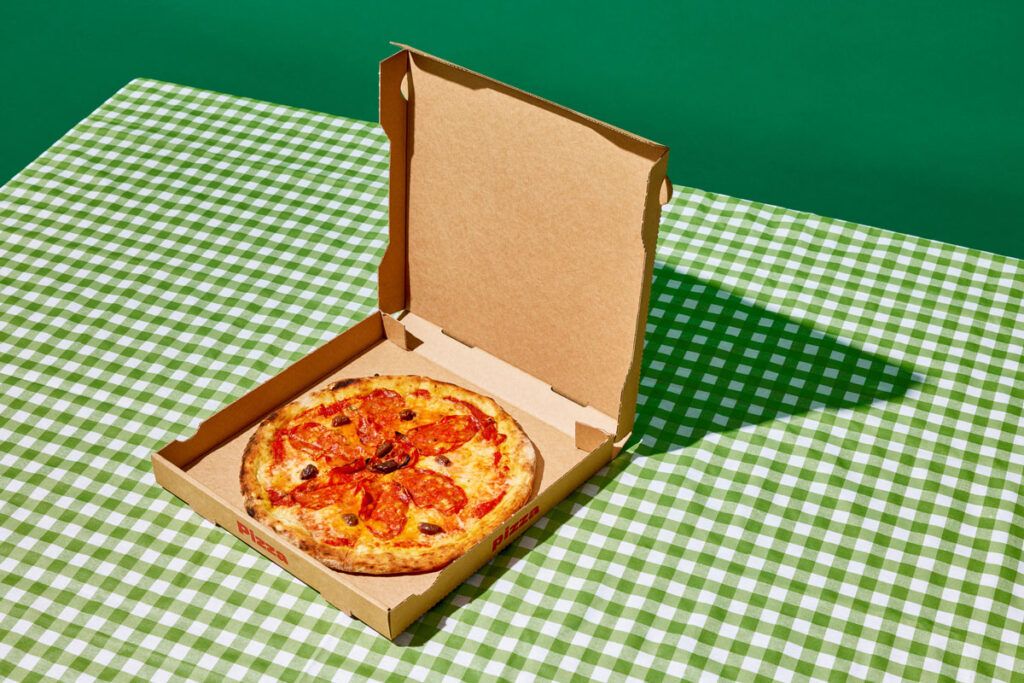
Certain foods that contain high amounts of salt (sodium) can cause an increase in blood pressure.
The American Heart Association identified six popular foods that add high levels of sodium to your diet. These are known as ‘The Salty Six’:
- bread and rolls
- pizza
- burritos and tacos
- sandwiches
- cold cuts and cured meats
- soup
The suggested amount of sodium in your daily diet is 2,300 milligrams (mg) or less.
When choosing what foods to eat, it is recommended that you check and compare labels to find the best option with the lowest sodium levels.

Red meat
You need the protein found in red meat to promote good muscle and bone growth, but there is a link to raised blood pressure when consumed in large amounts. It is also weakly associated with an increased risk of conditions such as heart disease, diabetes, and certain cancers.
Examples of red meats include:
- beef
- lamb
- pork
- goat
- venison
- veal
A 2020 study notes a significant association between consuming red meat and developing hypertension. The study also suggests a link between red meat and high cholesterol.
Consider avoiding or limiting the amount of red meat you consume or picking white meats such as lean chicken or fatty fish.
Foods high in sugar
Consuming too much sugary food is associated with high blood pressure. This can lead to an increased body mass index (BMI) and is linked with conditions such as diabetes and heart disease.
Sugary foods can also contribute to atherosclerosis, caused by several factors, such as high blood glucose levels. This can result in the arteries narrowing, making blood flow difficult.
Eating a healthy diet can help maintain low blood pressure levels. As well as avoiding foods with a high amount of sugar, such as products containing high fructose corn syrup.
When choosing what food to eat, consider checking the labels and packaging first to determine the level of sugar present in the product.
Ultra-processed foods
Processed foods have been altered while prepared to preserve and lengthen their shelf life. Not all processed foods need to be avoided, but you should limit ultra-processed foods if you have high blood pressure.
Examples of processed food and drink include:
- frozen food, such as frozen pizza or ice cream
- ready meals
- baked goods, such as cakes and pastries
- sugary drinks, such as soda
A 2021 longitudinal study looked at changes in blood pressure levels in adults whose diets comprised a large amount of ultra-processed foods. It notes that the higher the consumption of ultra-processed food, the higher the risk of hypertension.
If you are concerned about the effect of your diet on your blood pressure, consider speaking with a registered dietitian, as they can help you form a diet plan to maintain lower levels.

Free prescription coupons
Seriously … free. Explore prices that beat the competition 70% of the time.
Get free cardWhat foods can help lower blood pressure?
If you have high blood pressure, following a healthy diet consisting of specific foods may help lower your blood pressure levels. These include:
- fatty fish, such as herring, mackerel, and salmon
- beans and lentils
- berries, such as strawberries, blueberries, and raspberries
- flax seeds
DASH eating plan
A 2020 meta-analysis showed that adopting specific dietary approaches, such as the DASH eating plan, can significantly help reduce blood pressure levels. The plan does not revolve around eating particular foods but provides daily and weekly nutritional goals.
The DASH eating plan recommends the following foods and servings suggestions for a 2,000-calorie diet:
- grains, between 6–8 servings a day
- vegetables, between 4–5 servings a day
- fruit, between 4–5 servings a day
- low fat or fat-free dairy products, between 2–3 servings a day
- meats, poultry, and fish, 6 servings (equivalent to 6 ounces) or less a day
- fats and oils, 2–3 servings a day
- nuts, seeds, dry beans, and peas, 4–5 servings a week
The plan also recommends you limit the following foods and drinks:
- sugar-sweetened beverages
- fatty meats
- full-fat dairy
- sweets
- sodium, 2,300 mg or less per day
Summary
High blood pressure can affect your overall health and quality of life. Still, through careful dietary strategies, you can maintain lower blood pressure levels.
Eating a healthy diet that consists of plenty of fruits and vegetables, while limiting foods high in sugar and salt can help. If you are concerned about the effect of your diet on your blood pressure, consider speaking with a registered dietitian who can help you develop a suitable diet plan.
If your blood pressure reading is showing 180/110 or higher more than once a week, it is important that you seek medical attention straight away. A reading this high is known as a ‘hypertensive crisis’ and should be dealt with by a healthcare professional immediately.
If you need help covering the cost of medications, Optum Perks free Discount Card could help you save up to 80% on prescription drugs. Follow the links on drug names for savings on that medication, or search for a specific drug here.