


Your food affects every part of your body — including your eyes.
While genetics play a role, a well-balanced diet rich in nutrients can support ideal eye function and help prevent age-related conditions. This is because they provide vitamins that can support your eye health.
Examples include foods rich in vitamin A, like leafy green vegetables, or vitamin C, like citrus fruits.
Vitamins that are good for your eyes
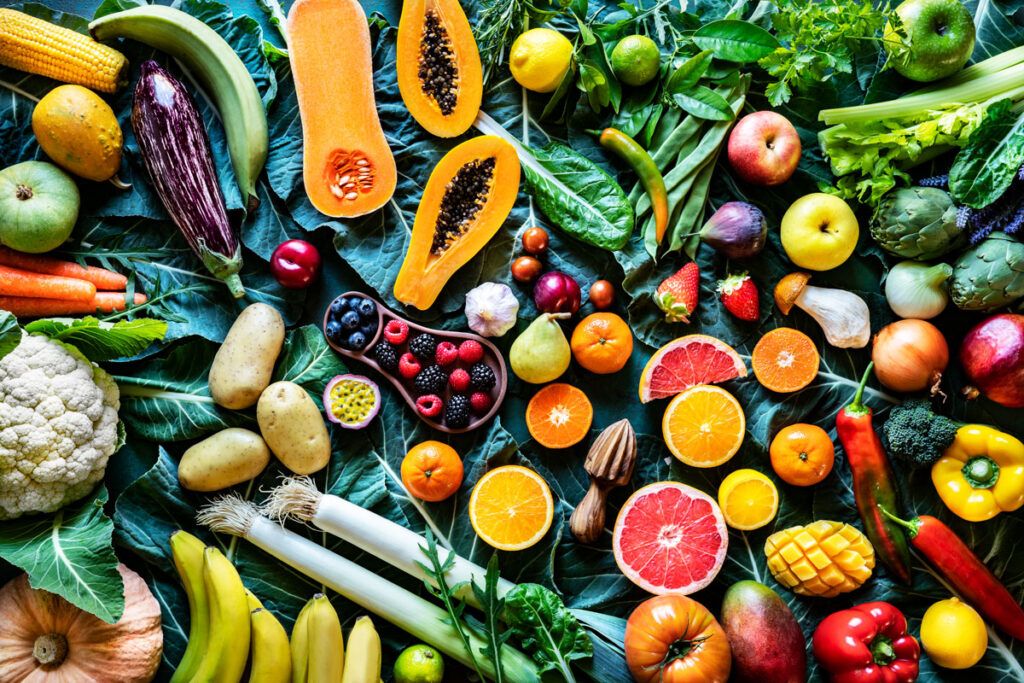
When considering foods to try that are good for your eyes, it’s important to consider the vitamins they contain. Different vitamins can affect your eye health differently, and particular foods are richer in certain vitamins than others.
Vitamin A
A 2023 article explains that vitamin A is an essential fat-soluble vitamin. Your body stores it in fatty tissues and the liver, and you need to consume it with fat to absorb it correctly.
Vitamin A is important for many aspects of your health, including the proper functioning of your cells, skin, immune system, and eyes.
A 2023 review notes that vitamin A deficiency is the leading cause of childhood blindness worldwide.
The review explains that vitamin A helps create the pigments in the back layer of your eye called the retina. One of these pigments, rhodopsin, is essential for dark vision. That’s why vitamin A deficiency can worsen your night vision. If untreated, this can progress to severe vision loss or irreversible blindness.
Vitamin A is also vital for the health of the transparent front part of your eye, known as the cornea, and the thin tissue covering the white part of the eye, known as the conjunctival epithelium.
This means a lack of vitamin A can cause thinning of the outer eye surface. If left untreated, the condition can advance to abnormal eye dryness, corneal scarring, or the formation of open sores called ulcers.
There are many good food sources of this nutrient, including:
- Leafy green vegetables: kale, broccoli, spinach
- Orange and yellow vegetables: carrot, pumpkin, sweet potato
- Red vegetables: tomato, red bell pepper
- Animal foods: milk, egg, fatty fish, beef liver

Vitamin C
As a 2023 article describes, vitamin C is a water-soluble vitamin and a strong antioxidant. That means it can protect cells from oxidative stress from harmful molecules called free radicals.
In the eyes, oxidative stress can contribute to the development of age-related macular degeneration (AMD) and cataracts. Cataracts account for around half of all cases of blindness globally.
A 2020 review explains that vitamin C protects against oxidative damage to the eyes from factors like ultraviolet (UV) light from the sun.
The review suggests that as you age, the concentration of vitamin C in the lens of your eyes drops. However, taking vitamin C supplements or eating more vitamin C in your diet can increase the levels. This, in turn, can help prevent or slow the progression of AMD and cataracts.
These foods are good sources of vitamin C:
- Cruciferous vegetables: Brussels sprouts, cabbage, cauliflower, broccoli
- Citrus fruit: lemon, orange, grapefruit
- Other fruits and vegetables: bell pepper, strawberry, potato
Vitamin E
A 2023 article states that vitamin E is an antioxidant, like vitamin C. It protects cells, including those in your eyes, from oxidative damage like that from the sun’s UV light. This could help prevent age-related damage.
More research is needed to confirm if or how vitamin E may support eye health and protect against eye diseases.
Here are some foods that are good vitamin E sources:
- Oils: wheat germ, avocado, sunflower, soybean
- Nuts and seeds: sunflower seed, almond, peanut
- Green vegetables: asparagus, spinach, collard greens
- Red and orange produce: mango, pumpkin, red bell pepper
Other foods for optimal eye health
Don’t overlook (pun intended) other eye-friendly nutrients besides vitamins A, C, and E, such as:
- Omega-3 fatty acids: A 2019 review found that omega-3 fatty acids may help prevent dry eye disease, potentially by reducing inflammation and improving the quality of the tear film that covers the surface of your eye. You can get omega-3 from fatty fish like salmon and mackerel and other foods such as canola oil and walnuts.
- Lutein and zeaxanthin: These are carotenoids, a type of plant pigment. Like vitamins C and E, they offer antioxidant benefits. A 2022 review notes that while some research suggests they might protect the eyes from oxidative damage and help prevent conditions like AMD, more research is needed to confirm this. Good food sources include green vegetables and egg yolk.
- Zinc: A 2020 review notes that while researchers don’t fully understand the reason why, zinc appears to slow the progression of AMD. Good food sources include shellfish, meat, legumes, nuts, seeds, and whole grains.
Lutein, zeaxanthin, and zinc are all ingredients in age-related eye disease study (AREDS or AREDS2) supplements. These have been shown to slow down the progression of macular degeneration, and healthcare professionals may recommend these supplements for all patients with intermediate or late AMD.
Foods to avoid: Worst foods for eye health
While no foods directly damage the eyes, some may contribute to inflammation and oxidative stress in the body, which might then affect eye health.
For example, a review from 2020 found that eating a Western diet can increase the chance of developing advanced AMD. A Western diet is high in foods like:
- red meat
- saturated fat
- highly processed foods
- sweets and desserts
- sugar-sweetened drinks
Further, living with diabetes increases the chance of an eye condition called diabetic retinopathy that involves damage to the retina. According to a 2023 article, this is the leading cause of vision loss in adults in the Western population.
To prevent this condition, people with diabetes should aim to manage their blood sugar and eat a diabetes-friendly diet. For some people, this means avoiding carbohydrate foods that cause a quick blood sugar increase.
To learn more about what an eye-friendly diet can look like for you, you can talk with a healthcare professional like a general practitioner, registered dietitian, or ophthalmologist. An endocrinologist may also be able to support you if you live with diabetes and want to learn more about preventing diabetic retinopathy.
Eye health medications
In some cases, maintaining good eye health can require more than just a nutrient-rich diet.
Medications for eye health depend on the condition you are dealing with. A general practitioner or ophthalmologist can guide you on the right approach for you.
For example, conditions like glaucoma can require prescription medications to manage pressure in the eye and prevent further damage. A 2022 article lists some glaucoma medication options:
- prostaglandins like bimatoprost (Lumigan), latanoprost (Xalatan), and travoprost (Travatan)
- beta-blockers like levobunolol (Betagan)
- carbonic anhydrase inhibitors like dorzolamide (Trusopt)
- alpha-2 agonists like brimonidine (Alphagan)
Meanwhile, a 2023 article explains that you may be able to manage conditions like dry eye disease with over-the-counter (OTC) medications like lubricants and ointments. Prescription options include oral antibiotics and topical anti-inflammatory medications.
————-
If you need help covering the cost of medications, the free Optum Perks Discount Card could help you save up to 80% on prescription drugs. Plus, you can now get them delivered to your home in as little as 3 days. Search for your medication here.

Free prescription coupons
Seriously … free. Explore prices that beat the competition 70% of the time.
Get free cardSummary
A rainbow-colored plate filled with fruits, vegetables, nuts, and fish may improve not just your overall health but also your eye health.
Specifically, including foods rich in vitamins A, C, and E in your diet is a good start. Other foods to enjoy are those rich in zinc, carotenoids, and omega-3.
For specific eye conditions, seeking advice and treatment from a healthcare professional is the best approach.
—————
Download the free Optum Perks Discount Card to save up to 80% on many prescription medications. Plus, you can now get them delivered to your home in as little as 3 days. Search for your medication here.