


If you have diabetes, you have to choose what foods you eat and when you eat them very carefully. Foods high in refined sugars, especially candies, can wreak havoc with your blood sugars by causing spikes. These foods have a high GI.
Other foods can help to stabilize your blood sugars and promote overall health, which helps your body to use blood glucose well.
Alongside a treatment plan from a healthcare professional, learning more about your diet’s effect on blood sugar levels and which foods help maintain healthy blood sugar levels can help you manage your condition effectively.
How does food affect blood sugar?
After you eat, your body breaks the food down into components:
- proteins
- fats
- vitamins
- minerals
- carbohydrates
Your body converts the carbohydrate parts into sugars. The higher the carbohydrate content of food, the more sugar your body will digest and absorb.
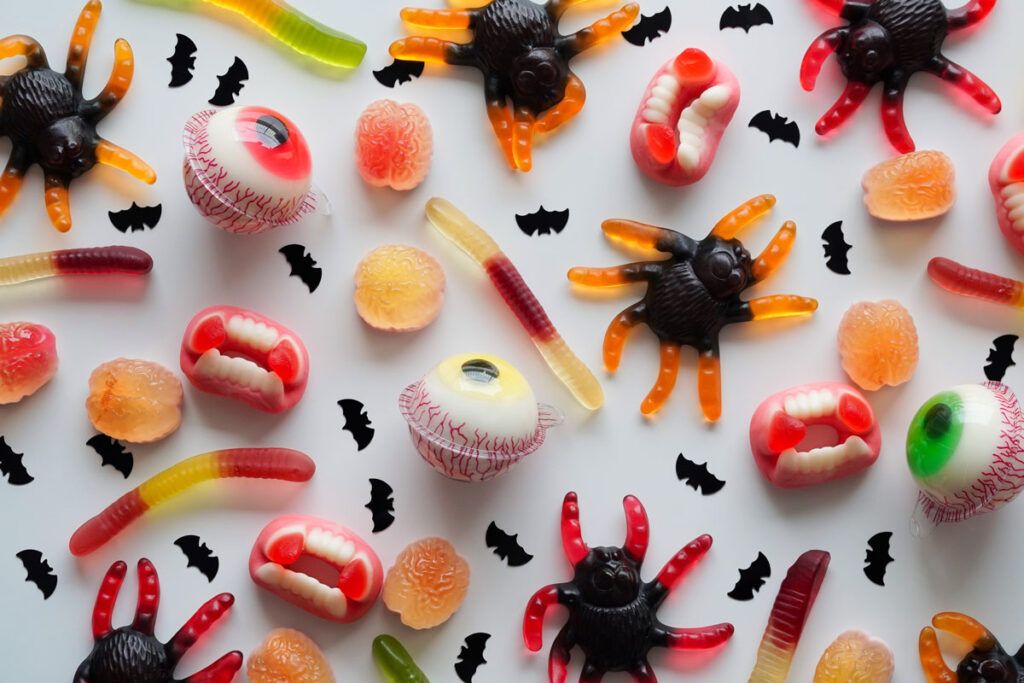
For example, candies contain lots of refined carbohydrates in the form of sugars. Your body absorbs these sugars quickly, which can cause your blood sugar levels to rise quickly, in a spike. This can lead to hyperglycemia if you do not expect it.
The GI is a way to measure what effect a certain food will have on your blood sugar. The glycemic load applies the GI to the serving size of different foods, and this may differ from the GI score. Milk chocolate, for example, has a low GI, but a high glycemic load of 29, meaning it’s likely to have a big effect on blood sugar levels.
Other high-carbohydrate foods include:
- white bread
- processed cereals
- sugary drinks
If you have diabetes, healthcare professionals may recommend that you monitor the amount of carbohydrates you eat in your meals.

Foods that lower blood sugar
Just like some foods can raise blood sugar, with other foods, your body breaks them down much more slowly. These are typically low GI foods that are low in refined carbohydrates. These foods can make it easier to balance your blood sugars, as they do not cause quick and extreme blood sugar responses.
Although they don’t necessarily lower your blood sugar on their own, choosing low-GI options consistently instead of high-GI foods can lead your blood sugar to become lower naturally.
Fruits
Some fresh fruits contain substances that researchers think may help stabilize blood sugar.
Citrus fruits like oranges and grapefruits have low to medium GIs. They also contain the substance naringenin, which is a type of polyphenol. Polyphenols are naturally occurring compounds that help improve the health of your brain, digestive system, and cardiovascular system.
According to a review from 2019, naringenin can stabilize blood sugar in people with type 2 diabetes by improving insulin sensitivity and slowing sugar absorption in the gut.
Berries are rich in fiber, as well as antioxidants and vitamins. This makes them great for people who need to monitor their blood sugar levels. A research study from 2019 found that eating 2 cups (250 g) of red raspberries alongside a high-carbohydrate meal reduced the post-meal blood sugar spike in people with prediabetes.
Pumpkin and pumpkin seeds
The brightly colored veg we like to use to make jack-o-lanterns can also be good for your health. They contain polysaccharides, a type of carbohydrate with antioxidant properties, but also the ability to lower blood sugar levels.
According to a review from 2019, consuming these polysaccharides can help reduce the effects of type 2 diabetes.
Seafood
Shellfish and other fish are rich in vitamins, protein, and healthy fats. Proteins, specifically, are very helpful for stabilizing blood sugars, as they slow down your digestion. When you digest food slower, it prolongs the absorption of sugars and prevents blood sugar spikes.
This also prevents overeating, which can lead to weight gain. Being overweight increases your risk of prediabetes and type 2 diabetes.
Beans and pulses
There are many different types of beans, all filled to the brim with vitamins and minerals like magnesium.
According to the American Diabetes Association (ADA), one half cup of beans contains as much protein as an ounce of meat but has none of the saturated fat that meat carries. This protein counteracts the carbohydrates in beans and may help reduce any blood sugar spikes.
Treatments for high blood sugar
When managing blood sugars, it is always important to follow the instructions of a doctor. If a doctor prescribes you medication, like insulin, it’s important to take it when they recommend you do so.
If you are unsure how best to manage your blood sugar, speak with a healthcare professional. You can work together to determine the best routine, medication, and lifestyle changes for you.
If you have type 1 diabetes, you will need insulin to manage your blood sugar levels. To specifically help prevent or reduce the effects of blood sugar spikes, a doctor may recommend the following types of insulin:
| Insulin type | Onset | How long does it last? | When to take it |
| Rapid-acting (insulin aspart (Novolog)) | 15 minutes | 2–4 hours | Take right before you eat a meal. You normally use this alongside a long-acting insulin. |
| Regular short acting (Humulin R) | 30 minutes | 3–6 hours | Take this insulin around 30–60 minutes before you eat to prevent a blood sugar spike. |
| Long-acting insulin (insulin detemir (Levemir), insulin glargine (Lantus), and insulin degludec (Tresiba)) | 1.5–2 hours | up to 48 hours | This works over a longer period and can help with your baseline blood sugar level. |
Some lifestyle changes that a doctor may recommend to help prevent and manage blood sugar spikes include:
- Maintaining a healthy weight: According to the ADA, being overweight can increase your risk of developing type 2 diabetes and high blood sugar levels. To lose weight, try eating a low fat diet and staying physically active most days of the week.
- Blood sugar tracking: A blood glucose monitor is a mobile device that allows you to see what your blood sugar levels are, but also sometimes whether they are climbing or dropping. These devices allow you to make an informed decision about whether you need to take insulin, exercise, or eat some more.
- Exercise after eating: If you know you are prone to blood sugar spikes after eating, make it a habit to go for a brisk walk after dinner or a lunchtime jog. Physical exercise lowers your blood sugar levels by making your body more sensitive to insulin.
If you need help covering the cost of medications, Optum Perks’ free Discount Card could help you save up to 80% on prescription drugs. Follow the links on drug names for savings on that medication, or search for a specific drug here.
Summary
If you have diabetes, preventing blood sugar spikes and keeping blood sugar stable is important for your health.
You can include certain foods in your diet to help prevent blood sugar spikes and allow you to better manage your blood sugars. These include shellfish, beans, pulses, and fresh fruits.
Download the free Optum Perks Discount Card to save up to 80% on some prescription medications.