


Menopause occurs when a person stops getting their period for 12 consecutive months. It usually occurs between the ages of 45 and 55 years old. But it can take place earlier due to premature menopause or health conditions such as ovarian failure.
During menopause, the body’s estrogen and progesterone levels fluctuate. This change in hormone levels can lead to various uncomfortable symptoms, such as:
- hot flashes
- vaginal dryness
- bloating
- mood changes
About 1.3 million people become menopausal each year in the United States and experience symptoms lasting from several months to several years. Living with menopause can be difficult, but there are many ways to reduce and relieve symptoms through your diet.
Certain foods can help increase your estrogen levels during menopause and help ease symptoms. It’s important to note that these foods contain plant-based compounds that mimic the function of human estrogen, but they cannot increase the levels of human estrogen.
Let’s look at which foods can help, how they work, and what other treatment methods are available for menopause symptoms.
We use the term “women” in this article to reflect the term assigned at birth. However, gender is solely about how you identify yourself, independent of your physical body.
1. Berries
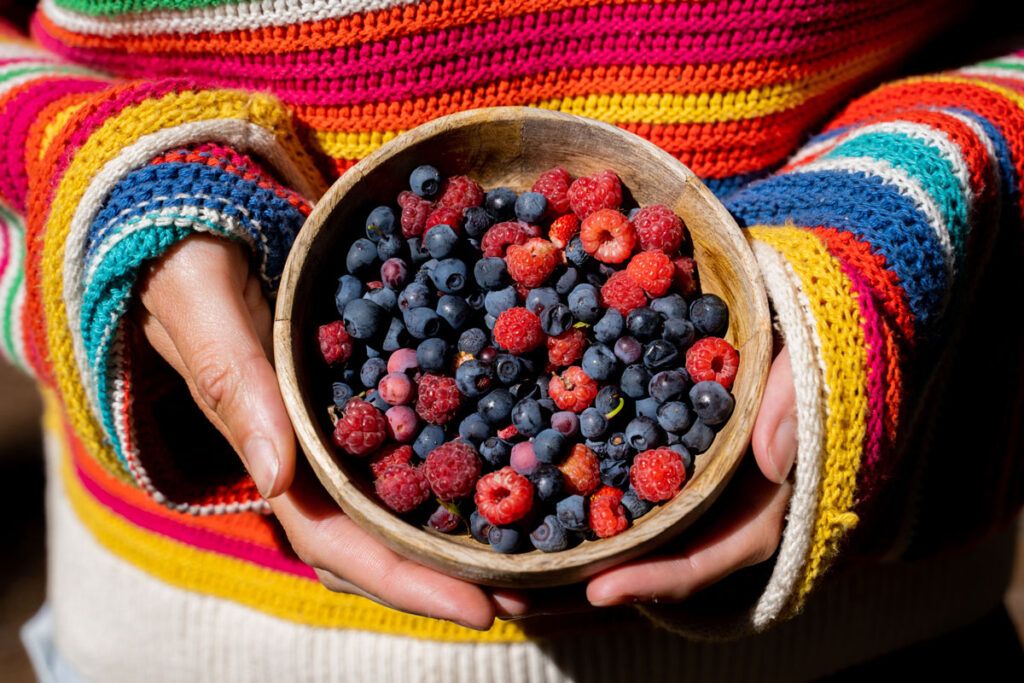
The flavonoids in berries, such as strawberries, blueberries, and blackberries, can help with cancer and cardiovascular risk in people with menopause. Flavonoids are antioxidative, anti-inflammatory, and anticarcinogenic, according to a 2016 study.
Berries also contain phytoestrogens, which can help naturally increase estrogen levels.

2. Soybeans and soy products
Soybeans and soy products contain isoflavones, which are plant-based compounds that mimic the action and function of estrogens.
A 2012 study suggests soy supplements helped reduce bone loss in postmenopausal women. A 2010 study noted an association between the consumption of soy and soy-based products with a reduction in vaginal dryness and hot flashes.
But research indicates that more studies are needed to understand the effectiveness of soy consumption and the management of menopausal symptoms.
3. Flaxseeds
Flaxseeds contain lignans, which are chemical compounds that can work as phytoestrogens and mimic the function of estrogens in the body.
The phytoestrogens found in food such as flax seeds, legumes, and vegetables can help alleviate certain menopause symptoms, such as bone loss. A 2016 study suggests that flaxseed helps reduce the frequency of hot flashes and vaginal atrophy.
A 2019 study suggests that flaxseeds may play a key role in lowering the risk of cancer in postmenopausal people.
4. Broccoli
Rich in phytoestrogens, broccoli, and other cruciferous vegetables can give your body a boost in plant-based estrogen to compensate for the decrease during menopause.
Other examples of cruciferous vegetables include:
- cauliflower
- cabbage
- kale
- brussels sprouts
- radishes
- cabbage
When you eat foods containing phytoestrogens, your body recognizes them as estrogen.
5. Sesame seeds
Sesame seeds also contain phytoestrogens, which mimic estrogen in the body. A 2006 study on the effects of sesame seeds on sex hormones suggests that the seeds could increase estrogen activity.
But research on the effects of sesame seed consumption on menopause symptoms is limited.
6. Garlic
Known for its antibacterial and antioxidant properties, you can also use garlic to manage menopause symptoms, particularly blood vessel and cholesterol-related symptoms.
A 2012 study suggests that ingesting garlic extract helped the cardiovascular risk in postmenopausal women.
Adding garlic to foods such as soups, sautéed vegetables, or salad dressings can provide a delicious way to incorporate more of it into your diet.

Free prescription coupons
Seriously … free. Explore prices that beat the competition 70% of the time.
Get free cardOther treatment options
Menopause can last for months or even years. Managing symptoms, such as hot flashes, mood changes, and migraine, can be taxing. Several treatment options, such as medication and lifestyle measures, can help you cope. These include:
- Hormone replacement therapy: This type of therapy gives you estrogen through skin patches, gels, and tablets to replace the estrogen that you’re losing during menopause.
- Hormonal birth control pills: Hormonal contraception pills can help regulate your hormone levels during menopause when you experience high fluctuations. Examples include the combination pill, such as:
- norgestimate-ethinyl-estradiol (Ortho Tri-Cyclen)
- levonorgestrel (Levora)
- drospirenone-ethinyl-estradiol (Yaz)
- Lifestyle measures: Certain lifestyle strategies can help with your overall health and reduce symptoms of menopause. Examples include:
- eating a balanced diet
- exercising regularly
- reducing stress
- avoiding inflammatory foods and alcohol
- avoiding alcohol, if applicable
If you need help covering the cost of medications, Optum Perks free Discount Card could help you save up to 80% on prescription drugs. Follow the links on drug names for savings on that medication, or search for a specific drug here.
Summary
Menopause typically begins when your period stops for 12 months in a row. This usually happens in your early mid-40s to early 50s and is a natural process of life. It can also occur earlier due to health conditions, such as ovarian failure.
Menopause can lead to several uncomfortable symptoms such as hot flashes, vaginal dryness, and mood changes.
These symptoms occur because your body is undergoing hormonal changes, such as a drop in your estrogen levels. One way to manage menopause symptoms is to replenish estrogen levels.
Several foods that contain plant-based compounds that your body recognizes as estrogen once digested can help.
Examples include:
- soybean
- berries
- flaxseed
- sesame seeds
- cruciferous vegetables
Consider speaking with a healthcare professional, such as a nutritionist, to identify what foods you can incorporate into your diet to help alleviate and manage menopause symptoms.
They can also help you find treatment options, such as medication, that can address your symptoms should they worsen.
Download the free Optum Perks Discount Card to save up to 80% on some prescription medications.