


Key takeaways
- Omega-3 fatty acid supplementation reduced cortisol levels by up to 33% according to a 2021 study.
- Ashwagandha has been shown to lower cortisol levels and affect how key regions of the brain interact, helping reduce stress and anxiety.
- Magnesium supplementation helped reduce the level of cortisol produced under stress, and research shows that stress can increase magnesium loss in the body.
Overview
Cortisol is a hormone we commonly associate with stress and high adrenaline. Both cortisol and adrenaline play a key role in our body’s fight-or-flight response, and cortisol also regulates different bodily functions, such as sugar levels and blood pressure.
Our bodies have varying levels of cortisol at different times. However, constant or chronic high cortisol levels can lead to harmful symptoms, such as high blood pressure, fatigue (extreme tiredness or lack of energy), and headaches.
Chronic high cortisol can also lead to other symptoms like weight gain and acne. However, there are several ways to help reduce cortisol levels in your body, such as through lifestyle measures or taking certain supplements.
The best supplement to help reduce cortisol for you will depend on your individual situation. If you’re taking medication or have a health condition, it is important to speak with a doctor before taking supplements.
It’s important to bear in mind that supplements are not approved by the Food and Drug Administration (FDA) to treat medical conditions, although they must still adhere to certain laws regarding their quality and safety.
Note that the following list is in no particular order.
—————-
Need a diagnosis or prescription quickly? Optum Perks offers personalized on-demand care in as little as 15 minutes. For $39, answer a few questions online and receive a diagnosis and treatment plan from a US-licensed healthcare professional. Get started here.

1. Omega-3 fatty acids
Omega-3 fatty acids, found in oily fish, some grains, and nuts, have many health benefits, such as reducing cortisol levels. A 2021 study found that omega-3 supplementation reduced cortisol levels by up to 33%.
Some possible side effects of omega-3 supplements include bad breath, headaches, heartburn, nausea, and vomiting.
Omega-3 fatty acids may also negatively interact with anticoagulants (blood thinners), as they reduce platelet activity, which can potentially increase your risk of bleeding.
2. Ashwagandha
According to a 2019 study, ashwagandha lowers the levels of cortisol and moderates how key regions of your brain interact. This helps reduce stress and anxiety.
A 2021 study looking at the effects of ashwagandha on cognitive function found that it may improve memory, focus, sleep quality, and stress levels. However, further research is still necessary to understand its effectiveness.
Some possible side effects of ashwagandha include stomach pain, diarrhea, nausea, constipation, and drowsiness.
3. Magnesium
Magnesium is a mineral that plays a role in several bodily functions, such as keeping bones strong, regulating blood sugar levels, and maintaining our immune system.
Research has also found a link between magnesium levels and stress response. A 2020 study found that stress could increase the loss of magnesium in our system and that magnesium supplementation helped reduce the level of cortisol we produce under stress.
Some possible side effects of magnesium include diarrhea, vomiting, and nausea.
4. Vitamin C
Vitamin C can help the adrenal glands stop or reduce the production of cortisol during stressful events, according to the abstract of a 2020 study. This, in turn, may help relieve symptoms of stress and anxiety. However, more research is necessary on the effectiveness of vitamin C in reducing cortisol levels.
Some side effects of vitamin C supplements include headaches, fatigue, nausea, vomiting, and diarrhea.
5. Probiotics
Probiotics are known to improve gut health. They also help with stress due largely to the gut-brain axis.
Probiotics may help lower your cortisol levels. According to a 2019 study, the bacteria in your gut can affect your stress levels, and probiotics with healthy bacteria may reduce your cortisol.
However, a 2020 study found no significant difference in the levels of cortisol among people taking probiotics — though it did find that people taking probiotics felt they had lower stress levels. Both studies, however, agree that more research is necessary on the subject.
The effectiveness of probiotics generally depends on factors like the strain of bacteria, your health situation, and how often you take them.
Some possible side effects of probiotics include constipation and headaches.
It’s important to know that each probiotic brand may use different bacterial strains, such as Lactobacillus or Bifidobacterium, which means your results can vary.
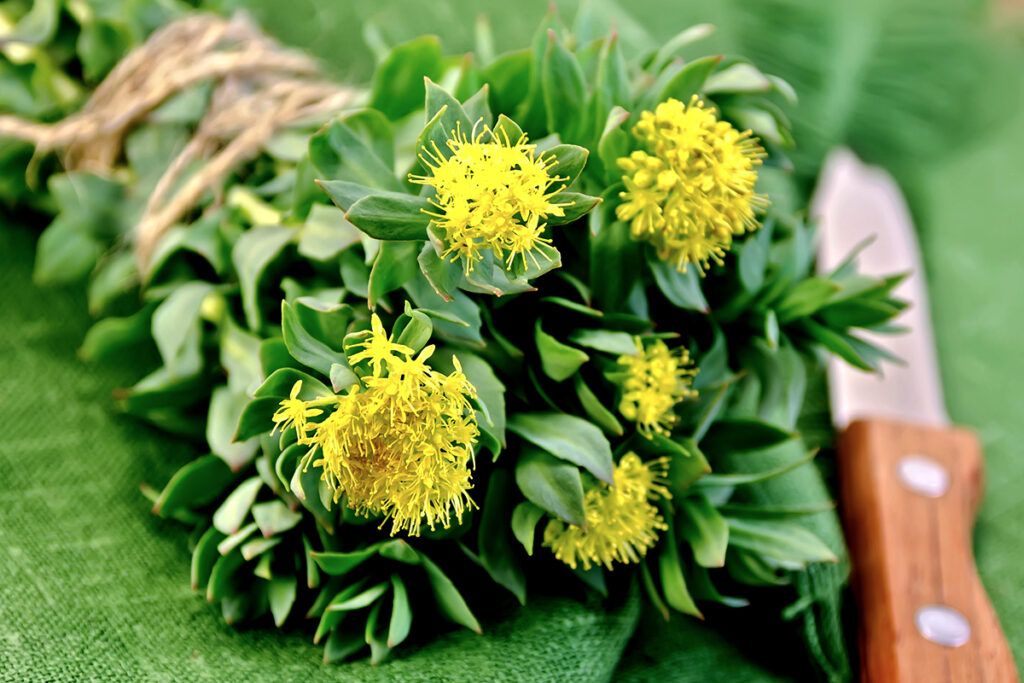
6. Rhodiola
Rhodiola rosea, also known as golden root, is an herb that has traditionally been used to reduce stress and anxiety.
If you’re stressed and your body releases high amounts of cortisol, Rhodiola may work to reduce your cortisol levels. A 2018 review suggested that Rhodiola rosea extract may affect the release of stress hormones like cortisol. However, much of the available research is in animals, so more study is necessary with human participants.
Some possible side effects of rhodiola include dizziness, dry mouth, and excessive saliva production.
7. L-ornithine
L-ornithine is a nonprotein amino acid that your body naturally produces. It’s also available as a supplement and can help improve athletic performance and wound healing.
Some research has also shown that L-ornithine supplements can help reduce levels of cortisol. Some 2024 research suggests that L-ornithine may be better than a placebo for reducing cortisol secretion.
A 2018 study also found improvement in reducing stress among people who took supplementation that included L-ornithine. However, more research is necessary on the subject.
Some possible side effects may include stomach discomfort and insomnia.
Can vitamin B12 reduce cortisol?
Some people claim vitamin B12 can reduce cortisol levels. One 2019 review suggests supplementation with B vitamins like B12 may help improve mood and reduce stress.
However, there is no evidence that B12 can reduce cortisol. While taking B12 can have many benefits, it may be better to try a different option to manage high cortisol.
————-
If you need help covering the cost of medications, the free Optum Perks Discount Card could help you save up to 80% on prescription drugs. Plus, you can now get them delivered to your home in as little as 3 days. Search for your medication here.

Free prescription coupons
Seriously … free. Explore prices that beat the competition 70% of the time.
Get free cardWhat lifestyle measures can help?
You can use some lifestyle strategies to try to lower your cortisol levels. Reducing and managing stress is key to regulating the levels of cortisol. Some lifestyle measures that can help you keep cortisol at healthy levels include:
- eating a balanced diet
- practicing physical activity and exercise for 150 minutes a week or 30 minutes five times a week
- reducing stress — for example, through meditation, yoga, and journaling
- practicing breathing exercises and techniques to help lower stress
Summary
Cortisol is one of the main hormones released when we experience stress. Although the levels of cortisol in our bodies can vary, chronic high levels can lead to symptoms like weight gain, acne, and high blood pressure.
Some supplements may help reduce your levels of cortisol. These include:
- omega-3 fatty acid
- ashwagandha
- magnesium
- vitamin C
- probiotics
- Rhodiola
- L-ornithine
Medications and lifestyle strategies can also help reduce cortisol levels. Consider talking with a healthcare professional before taking supplements and about your options, if you have consistently high cortisol levels.
—————
Download the free Optum Perks Discount Card to save up to 80% on many prescription medications. Plus, you can now get them delivered to your home in as little as 3 days. Search for your medication here.