


Key takeaways
- Losing eyelashes is natural, but losing more than usual may be caused by vitamin deficiencies, underlying medical conditions like thyroid disorders or blepharitis, irritation from cosmetics, or even behavioral disorders.
- If you experience sudden eyelash loss accompanied by symptoms such as hair loss on the scalp or eyebrows, vision changes, or skin changes around the eyes, it’s important to consult a healthcare professional to identify and address any underlying health issues.
- Treatment for eyelash loss varies depending on the cause, ranging from discontinuing problematic cosmetics or addressing deficiencies to managing underlying conditions with medications like topical antibiotics or prescription options like Latisse.
Overview
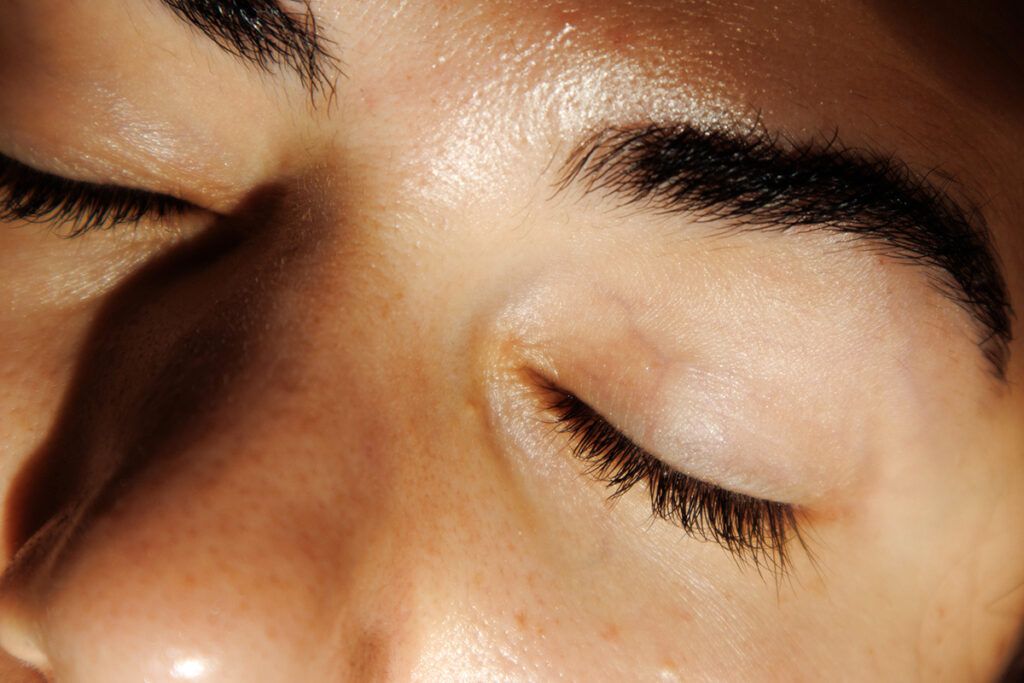
If you notice you’re losing more eyelashes than usual, it may be due to several causes. For example, it could be down to vitamin or nutrient deficiencies, an underlying medical condition, or a reaction after using certain types of cosmetics. Sometimes, people may even pull their eyelashes out without realizing it.
Knowing more about the potential reasons for losing eyelashes can help you know when to speak with a healthcare professional about the treatments available to help stop and reverse the process.
—————-
Need a diagnosis or prescription quickly? Optum Perks offers personalized on-demand care in as little as 15 minutes. For $39, answer a few questions online and receive a diagnosis and treatment plan from a US-licensed healthcare professional. Get started here.

What causes eyelash loss?
People may lose eyelashes due to several causes. Sometimes, a person may have a behavioral disorder called trichotillomania. This causes them to pull their eyelashes, and the condition may have a connection with anxiety or other mental health conditions.
However, irritation due to cosmetic use, vitamin deficiencies, and underlying health conditions can also lead to eyelash loss.
Vitamin deficiency
Nutrient and vitamin deficiencies may cause you to lose eyelashes. If you have a vitamin C deficiency, you may develop scurvy, a disease that can cause various symptoms, including corkscrew-like, bent, and fractured hair. This might also affect your eyelashes.
A 2022 review also found a link between zinc deficiency and the onset of eyebrow and eyelash alopecia. This condition causes your immune system to attack your hair follicles, leading to hair loss.
Underlying medical conditions
If you notice a sudden change in your eyelashes, this may be a symptom of an underlying condition. Several conditions are associated with eyelash loss, including:
- Blepharitis: This occurs when the oil glands in the eyelids become clogged, causing chronic inflammation and problems with the eyelash follicles. If you have blepharitis, you may also experience redness or swelling in your eyelids with a burning sensation or itchiness.
- Alopecia: This is an autoimmune disorder that triggers your immune system to attack your hair follicles, causing hair to fall out in patches. Alopecia can occur anywhere, including the eyelash follicles. There is no cure, but some treatment options can help manage its symptoms. The hair can sometimes grow back.
- Thyroid disorders: The thyroid is a gland that controls your hormone levels. If you have a thyroid disorder, it can cause hormone imbalances. Having too few thyroid hormones (hypothyroidism) or having too many of them (hyperthyroidism) can trigger hair and lash loss. If you have a thyroid disorder, you may also experience other symptoms, such as changes in blood pressure, heart rate, and body weight.
- Skin cancer: About 5–10% of skin cancer cases occur on the eyelids. Squamous cell or basal cell skin cancers in the eyelid can lead to the loss of all or some of your eyelashes.
Other potential causes of eyelash loss may include:
- hormonal changes, such as those linked to menopause
- side effects of certain medications
- chronic stress
- side effects of cancer treatment, such as radiation therapy or chemotherapy
- having a chronic inflammatory disease, including:
- rheumatoid arthritis
- lupus
Irritation
Certain eye makeup products and cosmetics may cause eyelash loss. Using and removing lash extensions, wearing eye makeup for a long time, forgetting to remove it, or using heated or nonheated eyelash curlers can speed up eyelash shedding and harm the health of your lashes.
You may also experience eyelash loss if you develop an allergic reaction after using mascara or applying certain types of glue at the base of your eyelashes when using extensions.
When should you seek help?
It is natural to lose some eyelashes every day as part of their life cycle. Eyelashes fall out as new ones grow and replace them. However, if you notice any sudden changes in your lashes or lose a lot all at once, it could be a symptom of an underlying health condition.
Speak with a healthcare professional as soon as possible if you experience any of the following:
- hair loss also happening on your scalp or eyebrows
- vision changes or vision loss
- a sensation of pressure around the eyes
- skin changes, such as scaling, itching, or discoloration
- eyelash loss occurring on both lids
Healthcare professionals can perform tests to diagnose the underlying condition causing your symptoms and then recommend the most appropriate treatment. They may also refer you to an ophthalmologist or a dermatologist, depending on what health condition they suspect you may have.
————–
Need a prescription or refill for male hair loss medication? You can get discreet and expert on-demand care in as little as 15 minutes through Optum Perks. For $39, answer a few questions online and get a treatment plan from a US-licensed healthcare professional. Get started here.
Treatments for eyelash loss
The treatment for your eyelash loss depends on its underlying cause. For example, if it is due to a deficiency or an allergic reaction to a cosmetic, discontinuing that makeup product or treating your deficiency may solve the issue.
If you have blepharitis, skin cancer, or any other type of medical condition, treating or managing it can also promote the regrowth of your lashes. Topical antibiotics like bacitracin and erythromycin often help treat blepharitis.
Doctors might prescribe other topical medications like cyclosporine (Restasis) if you don’t respond to standard therapies.
Using gentle soaps and eating a balanced diet rich in nutrients can also help improve the health of your eyelashes and prevent lash loss.
You can also find some over-the-counter serums and medications that can promote lash growth. However, consider speaking with a professional before using any of these products, especially if you have a skin condition.
Experts may also prescribe you a branded medication called Latisse. This is a prescription medication that promotes eyelash growth and has Food and Drug Administration (FDA) approval. The generic version is called bimatoprost.
Latisse contains a prostaglandin analog, a hormone-like chemical that increases the time your lashes stay in their growth phase, preventing them from falling out too quickly.
————-
If you need help covering the cost of medications, the free Optum Perks Discount Card could help you save up to 80% on prescription drugs. Plus, you can now get them delivered to your home in as little as 3 days. Search for your medication here.

Free prescription coupons
Seriously … free. Explore prices that beat the competition 70% of the time.
Get free cardSummary
Eyelash loss can occur for many reasons, including thyroid problems, blepharitis, nutrient and vitamin deficiencies, skin cancer, alopecia, and other skin conditions. Sometimes, people can experience lash loss due to an allergic reaction to a cosmetic or the irritation that makeup products can sometimes cause.
If you notice a sudden loss of your eyelashes or if your lashes are growing with an atypical corkscrew-like shape, you may have an underlying health condition. Contact a healthcare professional who can diagnose the cause of your lash loss and recommend the most appropriate treatment for your condition.
—————
Download the free Optum Perks Discount Card to save up to 80% on many prescription medications. Plus, you can now get them delivered to your home in as little as 3 days. Search for your medication here.