


Key takeaways
- Glucagon-like peptide-1 (GLP-1) receptor agonists like Ozempic and Wegovy are generally safe, but gastrointestinal side effects like nausea, vomiting, abdominal pain, and diarrhea occur in around 40% of people, typically early in treatment or when doses increase.
- To manage GI side effects, consider eating smaller, more frequent meals, avoiding high fat or spicy foods, staying hydrated, and trying natural remedies like ginger. Other common side effects include fatigue, headache, dizziness, and injection site reactions.
- Most side effects are mild and usually go away in a few weeks as your body adjusts. If you experience severe or intolerable side effects, talk with your doctor about adjusting your dose or exploring other management options.
Overview
Glucagon-like peptide-1 receptor agonists (GLP-1s) like Ozempic and Wegovy can be very successful at managing blood sugar or aiding with weight management, and they’re typically considered very safe. However, like any medication, they may have some side effects.
The more common side effects of GLP-1s are typically mild and should go away on their own with time. Let’s take a look at some of the common side effects of GLP-1s you can expect during treatment.
Note: Most GLP-1s have a boxed warning for the have a boxed warning for the risk of thyroid cancer. A boxed warning is the most serious warning from the Food and Drug Administration (FDA).
—————
New to GLP-1s or due for a refill? Connect with a U.S.-licensed healthcare professional today — no membership fees, just a $39 visit. If prescribed, your medication can be shipped straight to your door. Start your Rx request here.

Common side effects of GLP-1s
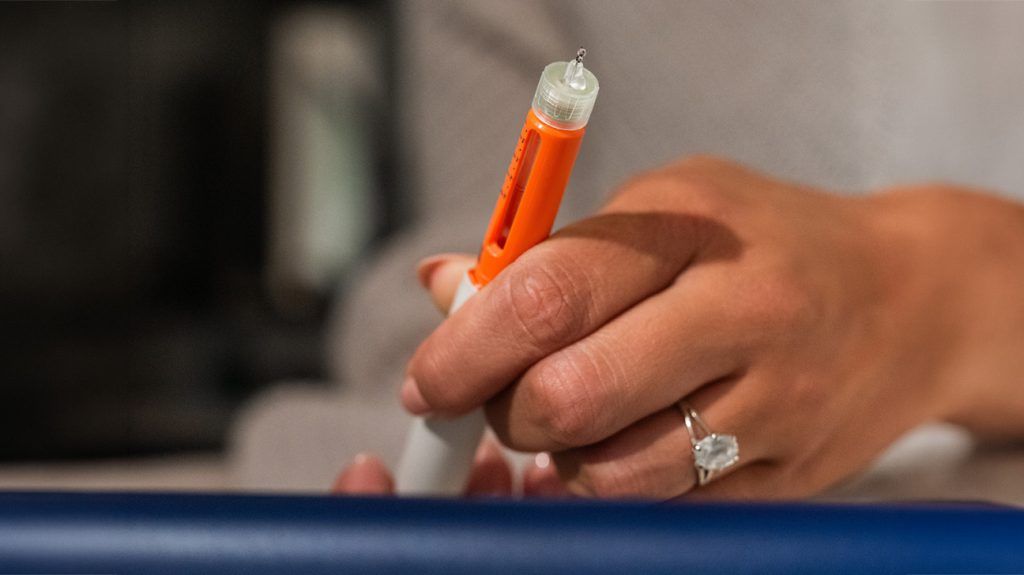
Because GLP-1s like Wegovy, Ozempic, and Zepbound all belong to the same drug class, they typically cause similar side effects to one another. The most common side effects associated with these drugs are gastrointestinal (GI) effects, which occur in around 40% of people. Examples of these include:
- nausea or vomiting
- abdominal pain
- bloating, flatulence (gas), or burping
- gastroesophageal reflux disease (GERD)
- diarrhea or constipation
Some other common effects found in some GLP-1s include:
- fatigue
- dizziness
- headache
- injection site reactions
- hair loss in certain cases
GI effects
GI side effects are most common early in treatment, and they typically crop up when your doctor increases your dose. They tend to be mild and usually go away on their own in a few weeks. With that said, there are ways to manage GI side effects:
- Consider your diet: Consider eating smaller, more frequent meals and stop eating when you feel full. You can also try to avoid foods that trigger GI symptoms, such as high fat or spicy foods that are harder to digest.
- Stay hydrated: Drink plenty of water to avoid dehydration, which may worsen nausea. Make sure you take small sips instead of gulps to avoid irritating your stomach further.
- Try natural remedies: If you’re feeling nauseous, consider eating ginger or trying ginger tea to settle your stomach.
- Discuss your dose: Severe or intolerable GI side effects may indicate your body isn’t used to the medication yet. You can speak with your doctor about staying at a lower dose to let your body adjust.
Fatigue
Fatigue (low energy) was not reported in clinical studies for every GLP-1. Wegovy has the highest percentage of fatigue reports at 11%.
GLP-1 fatigue is typically temporary and usually improves over time as your body adjusts to the drug. Some ways to manage low energy include:
- eat plenty of protein
- try to include foods with key nutrients like iron, vitamin B, vitamin D, and magnesium
- incorporate regular movement into your routine
- stay hydrated, and consider including electrolytes
Injection site reactions
Swelling at the injection site, skin discoloration, itchiness, and pain are some of the reactions you might develop temporarily. Some ways to manage these include:
- rotate injection sites with every injection
- avoid injecting into irritated or scarred skin
- let the injection pen reach room temperature before use
- use proper technique and try not to rub the area afterward
- use a cool compress on the area after injecting to reduce pain and swelling
Hair loss
Hair loss is only listed as a possible side effect for a few GLP-1s, including Zepbound, Ozempic, and Mounjaro. For Ozempic and Mounjaro, hair loss wasn’t noted as a side effect in clinical trials, but it has been reported after the drugs were approved.
Telogen effluvium (a type of hair loss) may also occur after weight loss. Some GLP-1 agonists are used for weight loss, so you might notice this even if hair loss isn’t caused directly by the medication.
Telogen effluvium is typically temporary. Consuming a balanced diet that provides the essential micronutrients and macronutrients can help both prevent and treat this hair loss.

Free prescription coupons
Seriously … free. Explore prices that beat the competition 70% of the time.
Get free cardAre there any long-term side effects of GLP-1s?
Research into long-term side effects of GLP-1s is still ongoing, simply because people need to have been taking the medication for a long time before researchers can study them. Some possible long-term side effects include:
- musculoskeletal effects like osteoporosis
- eye effects like diabetic retinopathy
- pancreatitis
Boxed warning for the risk of thyroid cancer
GLP-1 medications carry a boxed warning from the Food and Drug Administration (FDA) for an increased risk of thyroid cancer. This is because thyroid tumors developed in rodent studies of these medications. However, there is currently no evidence that this risk is present in humans.
A 2024 study found no increased risk of thyroid cancer in humans over an average study period of 3.9 years. However, doctors are unlikely to prescribe GLP-1s to patients with a family history of thyroid tumors.
Medical perspectives
How will a doctor monitor a patient’s health throughout long-term GLP-1 therapy?
“A doctor will monitor things like weight, kidney function, and blood sugar (usually with an A1c test) to see how a patient is responding to the drug and if there are any negative effects as a result of the drug.”
Note: Quotes represent the opinions of our medical experts. All content is strictly informational and should not be considered medical advice.
Online care for GLP-1s
If a doctor has prescribed a GLP-1, it’s important to take the medication as directed for as long as your doctor recommends. However, some people might face barriers to accessing GLP-1s, including high costs and access to healthcare appointments.
With Optum Perks Online Care, you can request a new weight loss prescription, get a refill, or get help with an existing prescription. There’s no monthly membership needed — all you’ll pay is $39 for the appointment plus the cost of the medication.
With this service, you can submit an online form answering a few questions about your condition, and a licensed healthcare professional will respond soon after, without the need to make an in-person appointment.
Summary
The most common side effects of GLP-1s are typically mild and go away on their own with time. You may notice GI effects like nausea or fatigue, headaches, and dizziness.
If you notice side effects that are severe or don’t go away, speak with your doctor for more advice.
—————
Download the free Optum Perks Discount Card to save up to 80% on many prescription medications. Plus, you can now get them delivered to your home in as little as 3 days. Search for your medication here.