


Repeated infections of SARS-CoV-2, the virus that causes COVID-19, are not unusual. However, these cases are typically are milder, and only a small percentage of people get seriously ill.
After getting COVID-19 the first time, your immune system develops antibodies that may offer you some immunity to SARS-CoV-2. But this does not mean that you cannot develop COVID-19 again.
Different factors may affect your risk of getting COVID-19 again, and you can use some strategies to reduce your risk.
Can you get COVID-19 more than once?
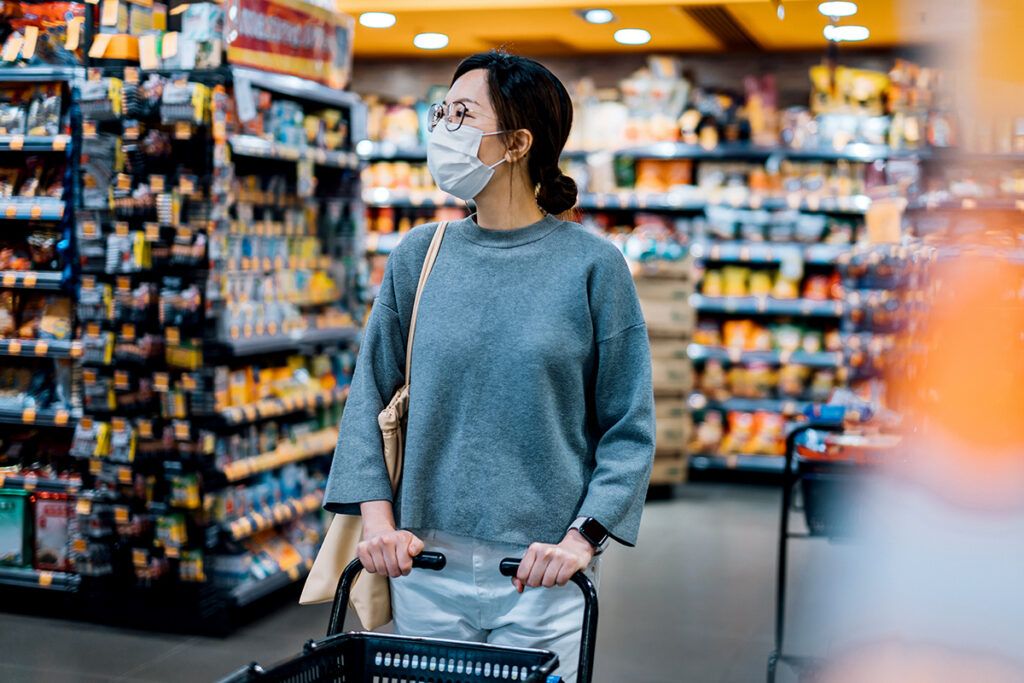
You can get COVID-19 multiple times.
Coronavirus reinfections are generally milder than the first time you contract the virus, but in some cases, people can develop severe illness. If you get COVID-19 again, you can still spread the virus to other people, the same as when you had COVID-19 for the first time.
After you’ve recovered from COVID-19, a SARS-CoV-2 reinfection may occur when your immunity from previous illnesses or vaccination reduces, or if you come in contact with a new variant of the virus, such as the Omicron variant.
This is because when you contract the coronavirus, your immune system learns to recognize it and fight it off in case of future exposure. However, this immune response does not last forever and can vary among people.

Is there an immunity period?
When you’ve had COVID-19, your immune system can protect you from coronavirus reinfections for several months afterward.
This is because the immune cells and proteins that circulate in your body can recognize the virus and know how to kill it when they encounter it, giving you immunity to the virus or reducing the severity of your symptoms if you develop COVID-19.
The protection you have against SARS-CoV-2 decreases over time. Researchers observed that the levels of the antibodies that can protect you against the coronavirus start decreasing more significantly about 6–8 months after your previous COVID-19 infection.
Even when you can develop COVID-19 again, you may still be protected from severe illness for a short time, meaning your symptoms may be milder. The immunity period after COVID-19 can vary from person to person depending on several factors, including your general health conditions.
If you have a weakened immune system, you may have limited to no immune response. This means that you could get sick again soon after you recover from COVID-19, and you could be more likely to develop severe illness and require hospitalization.
Vaccination
There are two main types of COVID-19 vaccines: the mRNA vaccine and the protein subunit vaccine.
Pfizer-BioNTech and Moderna produce the mRNA vaccine, which contains a piece of protein that can trigger your immune system to produce antibodies for coronavirus.
Novavax produces the protein subunit vaccine, which includes pieces of the virus and another ingredient, called an adjuvant, to help your immune system respond to the virus.
Getting the COVID-19 vaccine can help reduce your risk of contracting the virus or developing serious symptoms if you develop COVID-19. The recommendation for the vaccine can vary depending on several factors, including:
- your age
- the first vaccine you received
- the time since your last dose
- whether you are immunocompromised
The Centers for Disease Control and Prevention (CDC) states that everyone ages 5 years and older should get 1 dose of the updated COVID-19 vaccine. They also recommend getting the updated version of the vaccine if you received your dose before September 12, 2023.
The CDC also points out that children younger than age 5 years or people who are moderately or severely immunocompromised may need to receive more than one dose of the vaccine.
Both types of COVID-19 vaccines are typically effective in offering protection and reducing the risk of severe symptoms. A 2023 analysis reported that after the first dose of any type of vaccine, its effectiveness was about 71%, while it was 91% after the second dose.
COVID-19 treatments
Many people who develop COVID-19 experience mild symptoms and typically recover without any particular treatment. With mild COVID-19 you may consider taking some over-the-counter (OTC) drugs, such as ibuprofen (Advil) or acetaminophen (Tylenol), to treat your symptoms and aches while you recover.
If you have a higher risk of developing severe COVID-19, doctors may prescribe an antiviral therapy to reduce the risk of hospitalization or death. You must start this treatment within 5–7 days from when your symptoms started.
These medications may include:
- nirmatrelvir with ritonavir (Paxlovid)
- molnupiravir (Lagevrio)
- remdesivir (Veklury)
People who are more likely to develop severe COVID-19 may include:
- older adults
- people who did not receive COVID-19 vaccination
- people with certain health conditions, such as heart or lung disease, diabetes, or a weakened immune system
Wearing a mask when you visit crowded places, getting an up-to-date vaccine dose, and keeping some distance from people who display symptoms of COVID-19 can also reduce your risk of getting the condition.
————-
If you need help covering the cost of medications, the free Optum Perks Discount Card could help you save up to 80% on prescription drugs. Plus, you can now get them delivered to your home in as little as 3 days. Search for your medication here.

Free prescription coupons
Seriously … free. Explore prices that beat the competition 70% of the time.
Get free cardSummary
You can get COVID-19 multiple times. However, if you do not have a weakened immune system, you may have immunity to the virus for some time after your first experience with it. This can help prevent you from developing symptoms or from experiencing severe illness.
However, getting vaccinated is the most effective way to reduce your risk of hospitalization and complications due to COVID-19.
In most cases, people only develop mild symptoms of COVID-19, and there is no need for medical treatment. However, doctors may sometimes prescribe antiviral medications to people who have a higher risk of complications.
—————
Download the free Optum Perks Discount Card to save up to 80% on many prescription medications. Plus, you can now get them delivered to your home in as little as 3 days. Search for your medication here.