


Key takeaways
- Albuterol is a bronchodilator that relaxes airway muscles to relieve airway tightening, wheezing, and difficulty breathing from bronchitis. It typically starts working within 15 minutes and provides relief for 4 to 6 hours.
- Adults typically take 2 inhalations (90 micrograms each) every 4 to 6 hours as needed, while children ages 4 years and older may take 1 to 2 inhalations every 4 to 6 hours based on their doctor’s guidance.
- Albuterol doesn’t treat the inflammation or infection causing bronchitis, so your doctor may prescribe additional medications like corticosteroids or expectorants depending on your symptoms.
Overview
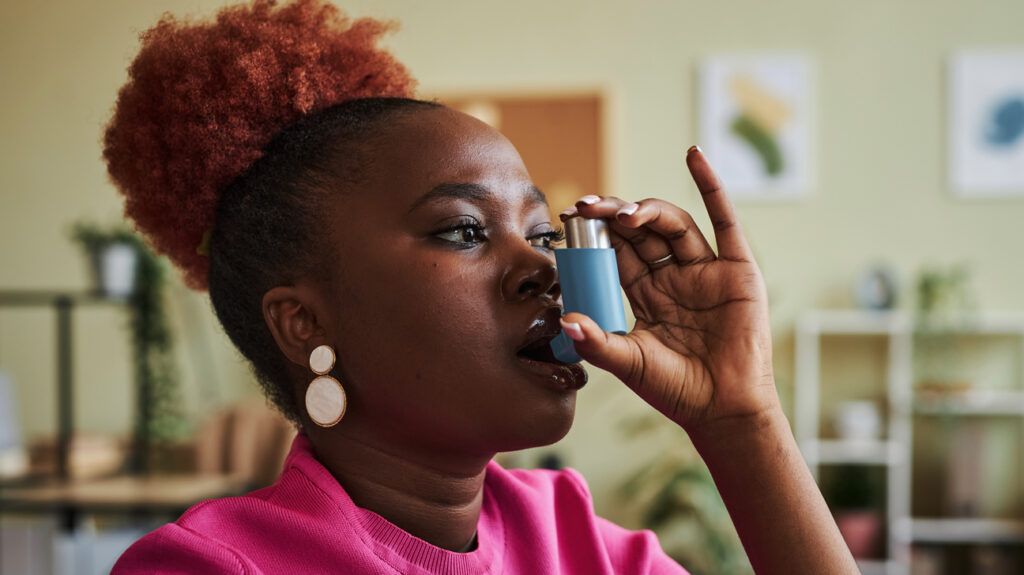
Albuterol is a type of medication called a bronchodilator that is commonly prescribed to treat breathing difficulties from respiratory disorders by relaxing airway muscles to improve airflow.
Albuterol can be used to manage bronchitis symptoms like wheezing and bronchospasm by relaxing the muscles in your airways. While it doesn’t treat the underlying cause of bronchitis, it can help provide relief and improve breathing.
—————-
Need a diagnosis or prescription quickly? Optum Perks offers personalized on-demand care in as little as 15 minutes. For $39, answer a few questions online and receive a diagnosis and treatment plan from a US-licensed healthcare professional. Get started here.

Is albuterol an effective inhaler for bronchitis?
Albuterol is an effective inhaler used to help manage bronchitis symptoms, especially bronchospasm, which is the tightening of the muscles around the airways.
Albuterol works as a bronchodilator by relaxing the muscles in your airway, which relieves bronchitis symptoms like wheezing and difficulty breathing that bronchospasms cause.
But albuterol doesn’t treat the inflammation or swelling from bronchitis. It also doesn’t treat the infection that causes bronchitis. So your doctor may prescribe additional treatments, like corticosteroids, depending on the cause of your condition.
Possible side effects of albuterol include:
- shakiness or tremors
- rapid heartbeat
- nervousness
- headache
- dizziness
These side effects are usually mild and often temporary. They typically go away as your body adjusts to the medication.
Albuterol may not be suitable for people with severe heart conditions or known allergies to the medication. It is important to talk with your doctor before using it.
Other inhalers that may help with bronchitis include:
- Ipratropium: Ipratropium may help relax the airways to make breathing easier, especially in chronic bronchitis.
- Fluticasone: Fluticasone is a steroid inhaler that reduces inflammation in the airways.
- Combination inhalers: Inhalers like budesonide and formoterol help open the airways and reduce inflammation in chronic bronchitis.
How long does it take for albuterol to work for bronchitis?
Albuterol usually begins working within 15 minutes of inhalation. It provides relief lasting 4 to 6 hours. So, albuterol is an effective choice for managing bronchitis symptoms like wheezing and shortness of breath.
Breathing improves after using albuterol and is often noticeable shortly after use. However, bronchitis symptoms may take 1 to 3 weeks to fully resolve.
Albuterol is used through inhalers for mild symptoms. In more severe cases, people may take albuterol through a nebulizer, which helps deliver the medication directly to the airways to relieve breathing problems.
How often do you need to use albuterol for bronchitis?
The frequency of albuterol use for bronchitis can vary depending on whether an adult or a child is using it.
For adults
The standard dosage is two inhalations every 4 to 6 hours as needed to relieve bronchitis symptoms. For reference, one inhalation contains 90 micrograms (mcg) of albuterol.
For more severe cases, a nebulized solution of 2.5 mg can be taken 2 to 3 times per day using a nebulizer. A nebulized solution means that medication comes as a liquid that can be turned into a fine mist and inhaled into the lungs.
If you are experiencing severe bronchospasms, your doctor may increase the dosage and frequency based on how you respond to the treatment. Always follow your doctor’s guidance.

Free prescription coupons
Seriously … free. Explore prices that beat the competition 70% of the time.
Get free cardFor children
The dosage depends on a child’s age and weight. Doctors may commonly prescribe 1 to 2 inhalations (90 to 180 mcg) from a metered-dose inhaler every 4 to 6 hours for children ages 4 years and older, as per the need for symptom relief.
The length of time you use albuterol typically depends on the severity of your bronchitis and as per your doctor’s recommendations.
Note: Always follow your doctor’s instructions. Using albuterol more than your doctor’s recommendation can cause side effects like shakiness, a rapid heartbeat, or nervousness.
Does albuterol help with cough and congestion?
Albuterol can help reduce coughing if bronchospasm causes it. Relaxing the muscles around the airways may help to loosen mucus, making it easier to get rid of phlegm.
But albuterol does not help get rid of congestion directly. For mucus buildup or chest congestion, other treatments like expectorants may be more effective.
Some alternatives for managing cough and congestion caused by bronchitis include guaifenesin and budesonide:
- Guaifenesin: Helps thin mucus, making it easier to clear from the airways.
- Budesonide (Pulmicort): A steroid inhaler that reduces airway inflammation, helping to ease coughing and improve airflow.
Consider talking with your doctor to determine the best treatment for your symptoms.
—————
Download the free Optum Perks Discount Card to save up to 80% on many prescription medications. Plus, you can now get them delivered to your home in as little as 3 days. Search for your medication here.
Next steps
If you have bronchitis, here are the next steps you should consider following:
- Make an appointment with a healthcare professional for an official diagnosis.
- Take albuterol as directed to relieve symptoms.
- Follow other treatment recommendations to treat the cause of your bronchitis.
—————
Download the free Optum Perks Discount Card to save up to 80% on many prescription medications. Plus, you can now get them delivered to your home in as little as 3 days. Search for your medication here.