


Energy drinks aim to provide a boost of alertness and physical endurance.
According to the National Center for Complementary and Integrative Health, energy drinks are the second most popular dietary supplement taken by teens in the United States (the most popular is multivitamins).
Energy drinks contain high amounts of caffeine and other stimulants, which lead to a jolt in your blood pressure and heart rate.
But energy drinks carry many side effects, particularly when consumed over long periods of time. These serious side effects include high blood pressure and heart complications. In fact, the number of emergency room visits from teens who drank energy drinks doubled between 2007 and 2011.
How do energy drinks affect blood pressure?
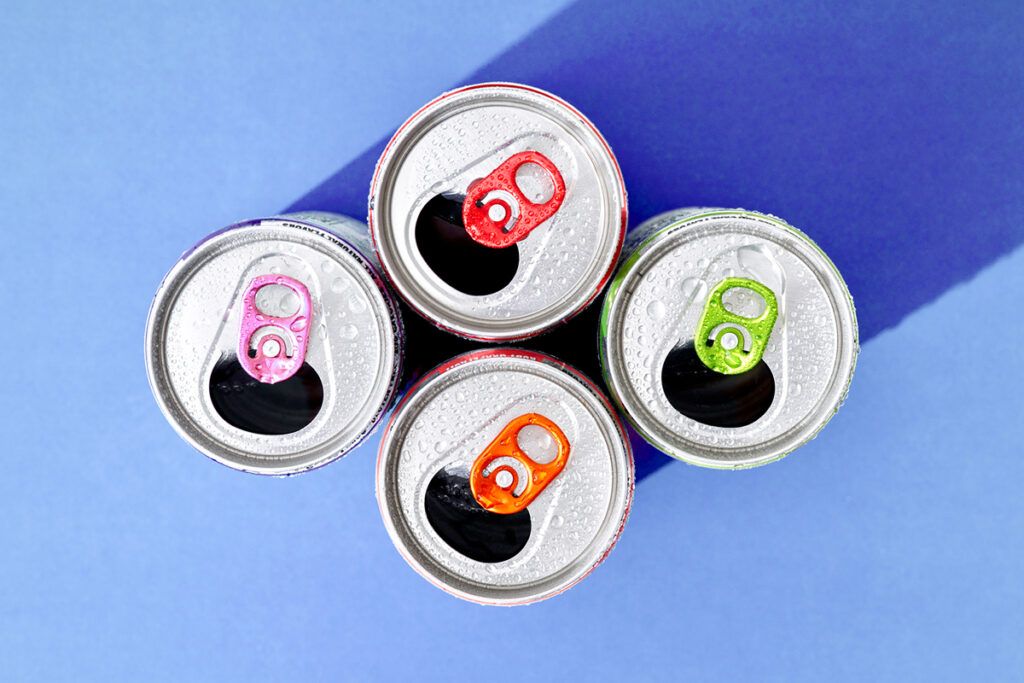
Energy drinks contain ingredients like caffeine and stimulants that lead to a spike in heart rate and blood pressure. Energy drinks usually contain the following ingredients, according to the Centers for Disease Control and Prevention (CDC):
- caffeine
- stimulants like guarana, bitter orange, green tea, ginseng, and L-carnitine
- added sugars
- supplements
- vitamins
Still, the U.S. government doesn’t closely regulate energy drinks and it’s difficult to know what’s exactly in the drinks and the exact quantities.
Caffeine is usually the main ingredient in energy drinks and it’s included in high concentrations. A 16-ounce (oz.) can of energy drink contains 70 milligrams (mg) to 240 mg of caffeine compared with, for example, a 12-oz. can of cola, which has around 35 mg of caffeine.
The stimulants included in energy drinks, such as guarana, taurine, and L-carnitine, are legal. These stimulants aim to increase attention, energy, and alertness. They also increase blood pressure, breathing rate, and heart rate.
One study from 2019 included 34 participants who drank a 32-oz. can of energy drink containing 304–320 mg. The study notes that blood pressure and heart rate increased greatly after drinking the energy drinks.
Another 2018 study suggests that drinking three energy drinks (totaling 240 mg of caffeine) increased diastolic blood pressure (the pressure recorded when your heart is relaxed) by 8% in a group of young adults, ages about 25 years old on average.
They also reported other uncomfortable symptoms like headaches, which increased the more caffeine they consumed.
Aside from raised high blood pressure, energy drinks can cause other negative effects, such as:

Risks of high blood pressure
High blood pressure affects about 1.28 billion adults in the world. The condition often doesn’t present any noticeable symptoms, but it can increase the risk and lead to serious health conditions. These include:
- heart disease
- heart attacks
- heart failure
- strokes
- aortic aneurysms
- peripheral arterial disease
- kidney disease
- vascular dementia
Managing high blood pressure
You can manage high blood pressure with lifestyle strategies and medication.
Lifestyle strategies you can practice to keep your blood pressure at a moderate range include:
- eat a balanced diet that includes vegetables, fruits, and whole grains
- maintain a moderate weight
- practice exercises like yoga, walking, and swimming for 30 minutes, 5 days a week
- try to reduce stress with practices such as meditation
- lower your consumption of salt and sugars
- try to reduce your consumption of caffeine
- if you smoke, consider quitting
Some medications to keep your blood pressure at moderate levels include:
- angiotensin converting enzyme (ACE) inhibitors like enalapril (Vasotec) and lisinopril (Qbrelis)
- alpha-blockers like doxazosin (Cardura) and terazosin
- alpha-2 receptor agonists such as clonidine
- angiotensin II receptor blockers like irbesartan (Avapro) and valsartan (Diovan)
- calcium channel blockers such as amlodipine Norvasc
- beta-blockers such as atenolol (Tenormin) and bisoprolol (Zebeta)
- diuretics like spironolactone (Carospir) and bumetanide (Bumex)
————-
If you need help covering the cost of medications, the free Optum Perks Discount Card could help you save up to 80% on prescription drugs. Plus, you can now get them delivered to your home in as little as 3 days. Search for your medication here.

Free prescription coupons
Seriously … free. Explore prices that beat the competition 70% of the time.
Get free cardSummary
Energy drinks can increase your focus, physical endurance, and alertness. The main ingredients in energy drinks are caffeine, added sugars, stimulants, and certain vitamins. Still, because the U.S. government doesn’t closely regulate energy drinks, it’s hard to know exactly what’s in them.
Caffeine is usually found in high concentrations in energy drinks along with stimulants, such as guarana and ginseng. These ingredients contribute to an increase in heart rate and blood pressure. The long-term consumption of energy drinks can lead to heart complications, like heart attacks, strokes, and heart failure.
If you have high blood pressure and consume energy drinks, consider reducing your intake. Talk with a healthcare professional about the best way to manage high blood pressure, and if you experience side effects from consuming energy drinks.
—————
Download the free Optum Perks Discount Card to save up to 80% on many prescription medications. Plus, you can now get them delivered to your home in as little as 3 days. Search for your medication here.