


PsA is a chronic condition that causes joint pain and inflammation.
People with PsA can experience common symptoms such as joint swelling, stiffness, and skin lesions. If left untreated, PsA can cause permanent damage to your joints.
One way to manage PsA symptoms is by adjusting your eating pattern. Although diets can’t prevent or cure the condition, certain food plans may help manage symptoms and flares.
Let’s look at the best food choices to help manage psoriatic arthritis.
The best diets for psoriatic arthritis
PsA is a chronic autoimmune inflammatory condition. This means that your immune system attacks parts of your body, such as your joints, skin, and nails. It causes inflammation and pain, and it shows up as itchy and scaly patches on your hands, feet, and elbows.
A research review from 2018 suggests that certain diets, such as a gluten-free diet for people with gluten sensitivity, can help the condition by reducing inflammation. This includes a diet that’s rich in fruits, vegetables, fish, beans, and nuts, while also being low in saturated fat and processed food.
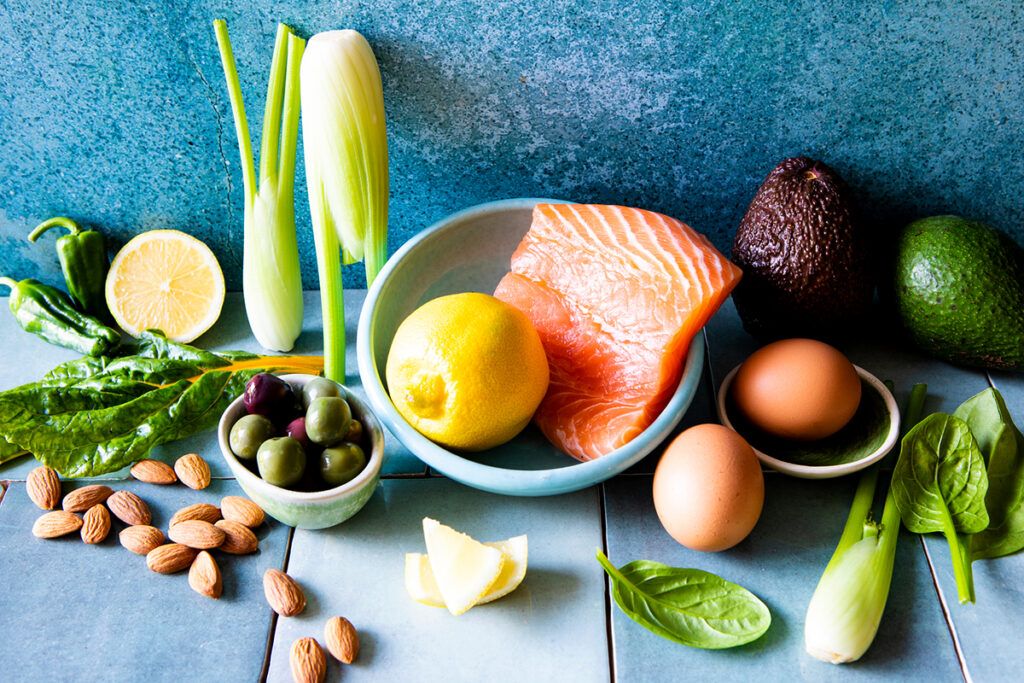
Research also shows that certain diets, such as the Mediterranean diet, can help the condition by reducing inflammation. According to the Arthritis Foundation, the Mediterranean diet is one of the best diets for managing symptoms of arthritis, including PsA.
Besides the Mediterranean diet, other nutritional plans can also help relieve the inflammation and pain caused by PsA. These include eating patterns that are:
- gut-friendly
- gluten-free
- weight managing
- keto
- paleo

The Mediterranean diet
The Mediterranean diet is high in fresh vegetables, fruits, and fish, and low in meat, saturated fats, processed food, and added sugar.
In a 2020 study, following the Mediterranean diet was associated with lower disease activity in people with PsA and other inflammatory and autoimmune conditions. The researchers suggest this might be due to the diet’s anti-inflammatory properties.
The Mediterranean diet includes foods such as:
- squash
- sweet potatoes
- spinach
- broccoli
- berries
- watermelon
- mangoes
- legumes
- eggs
A gut-friendly diet
A gut-friendly diet is a diet that includes prebiotics and probiotics. Both help improve your gut bacteria. Having balanced gut bacteria can help your immune system.
According to a 2019 research review, balance in the gut microbiome is key in managing symptoms of PsA.
Foods that can help balance your gut bacteria include:
- yogurt and kefir that contain probiotics
- fermented vegetables, such as sauerkraut and kimchi
- food high in prebiotic fiber, like artichokes, onions, garlic, and oats
Weight management diet
People with PsA may often have a higher body mass index (BMI). This could be for many reasons, including experiencing more difficulty in getting regular exercise due to pain and discomfort.
A 2022 study found that calorie restriction in people with a high BMI helped with joint pain and disease activity. It’s important to note that participants didn’t just restrict calories. They also increased their water, fruit, and vegetable intake and avoided processed foods.
If you have a higher BMI and live with PsA, the Global Healthy Living Foundation suggests following the Mediterranean diet because of its anti-inflammatory properties and because it can help you reach a healthy weight for you.
Other diets to consider
Other eating patterns may help you manage PsA symptoms. But each person is different, so certain nutrition plans may work for some people and not others. That’s why you might need to try some diet variations before you find what works best for you.
Some dietary options to consider if you have PsA include:
- Keto diet: The keto diet focuses on a low carb, high fat eating plan. The keto diet can help some people lose weight. Having a higher BMI can contribute to PsA flare-ups.
- Gluten-free diet: People with PsA and celiac disease or gluten sensitivity may benefit from a gluten-free diet.
- Paleo diet: The paleo diet, which consists of eating the foods that human ancestors ate (such as nuts, seeds, and vegetables), can help with weight management, which can help reduce PsA symptoms. However, there are currently no studies to confirm the effects of the paleo diet in people with PsA.
- Pagano diet: The Pagano diet was created by Dr. John Pagano to reduce the incidence of psoriasis and eczema. It focuses on avoiding red meat, processed foods, and citrus while eating lots of fruits and vegetables to reduce inflammation. However, there haven’t been any clinical studies to confirm that the Pagano diet accomplishes what it claims.
Additionally, according to 2022 research, dietary choices for people with PsA should also be tailored to their medication. So, before following a specific nutritional plan, be sure to talk with your doctor about the best diet option for you.
————-
If you need help covering the cost of medications, the free Optum Perks Discount Card could help you save up to 80% on prescription drugs. Plus, you can now get them delivered to your home in as little as 3 days. Search for your medication here.

Free prescription coupons
Seriously … free. Explore prices that beat the competition 70% of the time.
Get free cardMediterranean diet foods
An anti-inflammatory eating pattern, like the Mediterranean diet, is likely most helpful for PsA. The Arthritis Foundation offers some advice on foods to focus on and what to avoid. Some specific foods that may help manage PsA include:
- fruits high in antioxidants, such as berries, watermelon, avocado, mango, figs
- vegetables like leafy greens, carrots, squash, sweet potatoes, spinach, and broccoli
- whole grains
- beans
- eggs
- legumes, such as lentils
- olive oil
- oily fish like sardines
- herbs and roots, such as turmeric and ginger
Foods to consider avoiding
Because PsA is a chronic inflammatory disease, avoiding foods that cause inflammation is best. These include:
- processed meats
- processed bread and cereals
- fried food
- food with added sugars
- alcohol
Contacting a doctor
It may help to talk with your doctor or healthcare team about the different diet options you can follow to help relieve symptoms of PsA.
Depending on any other conditions, like diabetes, celiac disease, or obesity, and the specific medications you’re taking, your doctor can recommend a nutritional plan that may work for you.
Remember that results from these diets are not immediate and can vary from person to person. So, be patient and give yourself time as you work through your eating plan.
Summary
PsA is a chronic inflammatory condition that causes joint pain and skin rashes. It is an autoimmune condition that, left unmanaged, can permanently damage your joints.
One way to manage symptoms of PsA is through diet and food choices. Some eating patterns that can help you manage symptoms and find relief include the Mediterranean diet and gut-friendly diets. A weight management plan may be more suitable if you have a higher BMI.
Before attempting a specific diet or eating plan, be sure to talk with your doctor to determine the best way to manage your PsA alongside any medications that you take.
—————
Download the free Optum Perks Discount Card to save up to 80% on many prescription medications. Plus, you can now get them delivered to your home in as little as 3 days. Search for your medication here.