


For many Americans, coffee is a part of their daily routine, whether you enjoy it as an energetic way to start your day or a productive pick-me-up at midday. But if you experience heartburn or acid reflux, this common ritual might be making your symptoms worse.
Some evidence shows that coffee causes heartburn or worsens symptoms of gastroesophageal reflux disease (GERD). If you experience heartburn, it may be helpful to limit your coffee intake.
Does coffee cause heartburn?
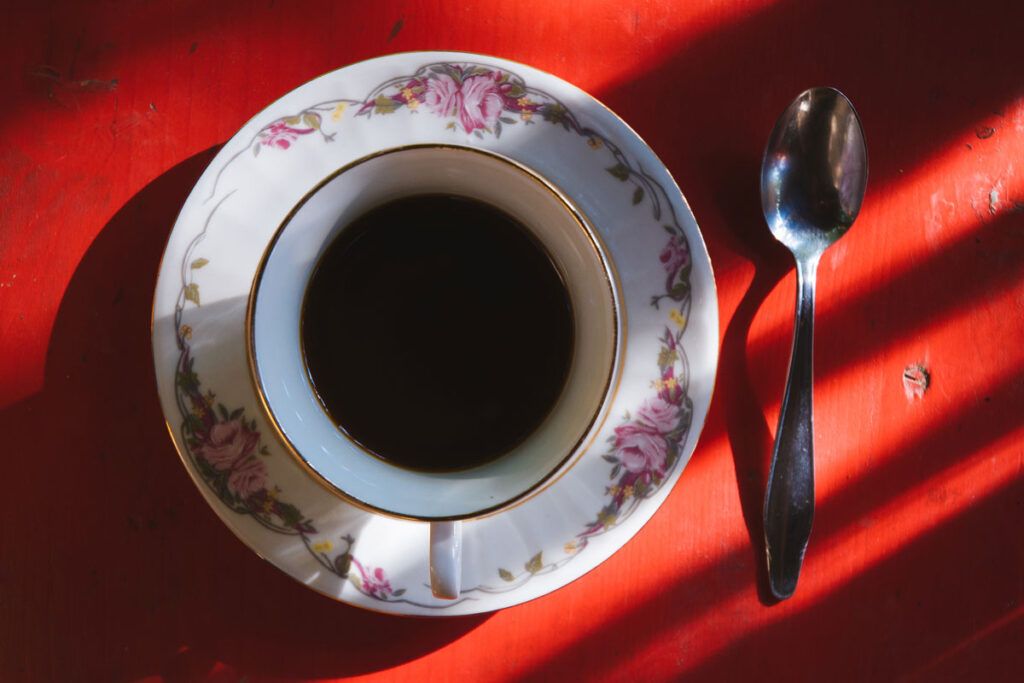
If you experience heartburn regularly or are diagnosed with GERD, a healthcare professional will often recommend that you limit or even avoid drinking coffee.
A 2020 study found that there is a 36% greater risk of heartburn if you consume 6 servings of coffee per day. It can help to replace caffeinated drinks with water to reduce symptoms.
Yet it is still unclear whether coffee can worsen or cause heartburn in everyone.
For example, a study from 2019 found that individuals who drank more than 2 cups per day saw no difference in their heartburn risk compared with individuals who drank less than this amount. The researchers did note that overweight worsens heartburn symptoms.
Everyone’s triggers for heartburn will be different. By identifying your triggers for heartburn, you can create the best diet to manage your symptoms. It may also be helpful to keep a food diary to track symptoms and potential triggers.
Treatment for heartburn
More than 60 million Americans experience heartburn at least once a month. Plenty of remedies for heartburn are available, many of which are easily accessible at home.
Treatment options include:

Over-the-counter (OTC) medications
Heartburn is often treatable with OTC medications, with three key types to choose from so you can find the option that works best for you.
These include the following medications available as prescription-strength drugs if you have GERD:
- Proton pump inhibitors (PPIs): PPIs reduce the amount of acid in your stomach, reducing acid reflux and heartburn. They work by blocking the production of stomach acid, which means you should avoid taking them for longer than 14 days. Examples include:
- esomeprazole (Nexium)
- lansoprazole (Prevacid)
- omeprazole (Prilosec)
- H2 inhibitors: These medications also block the production of stomach acid but work much faster than PPIs. They are more suitable for mild and quick relief of heartburn. Examples include famotidine (Pepcid) and cimetidine (Tagamet).
- Antacids: Antacids include common household substances like baking soda. They work by neutralizing stomach acid and inactivating pepsin, a stomach enzyme, to relieve symptoms of heartburn.
————-
If you need help covering the cost of medications, the free Optum Perks Discount Card could help you save up to 80% on prescription drugs. Plus, you can now get them delivered to your home in as little as 3 days. Search for your medication here.

Free prescription coupons
Seriously … free. Explore prices that beat the competition 70% of the time.
Get free cardLifestyle measures
Certain lifestyle measures can help reduce how often and severely you experience heartburn. Doctors often suggest the following:
- Having overweight can lead to more frequent heartburn, so exercising regularly and eating a low fat, high protein diet to lose weight can help reduce heartburn
- Quitting smoking, if you smoke, can improve your symptoms of heartburn by over 40%, according to research from 2016.
- Eating a low fat diet rich in veggies and healthy fats like fish can help manage symptoms of heartburn.
A doctor may suggest surgery if you have GERD that becomes untreatable with medication, though this is rare.
How can heartburn be prevented?
While it is unclear how much effect coffee has on triggering heartburn, researchers understand that many other food items help reduce heartburn.
The foods you eat affect the amount of stomach acid your body produces to digest them. Avoiding certain foods may help reduce the risk of experiencing heartburn and prevent symptoms.
Foods to consider avoiding include:
- Foods high in saturated fats: Eating excessive foods high in fat, like fried food, can cause heartburn within 4 hours of eating.
- Spicy foods: Spicy foods like chillis and certain herbs can increase your risk of experiencing heartburn. A study from 2017 suggests that spicy food can irritate the esophagus. In fact, it caused acid reflux and heartburn in over half of the participants in the study.
- Cocoa products: Cocoa, the main component of chocolate, contains the substance methylxanthine. This can relax the muscle around your esophagus. And according to the American Society for Gastrointestinal Endoscopy, this can lead to acid reflux.
It may also be helpful to keep a food diary to identify what foods may trigger your heartburn.
When should you speak with a doctor?
If you notice any of the following symptoms, it’s time to check in with a healthcare professional to see whether you have an underlying health condition that needs treatment:
- use of OTC medications for longer than 2 weeks
- heartburn more than twice per week
- nausea
- OTC medications or lifestyle changes that are no longer working
- difficulty swallowing
- chest pain when you exert yourself, like climbing the stairs
These could be signs of a more serious health condition, so if you experience these symptoms, consider speaking with a healthcare professional as soon as possible.
Summary
Heartburn is a common symptom of acid reflux. If you notice you experience heartburn frequently, it could be the result of your morning coffee, though little scientific evidence links coffee directly to heartburn.
If you notice heartburn after drinking coffee, you may want to try avoiding it to see if you notice any changes to your symptoms.
An array of OTC and prescription medications can help relieve heartburn. But if you notice heartburn happening more frequently, speak with a healthcare professional about the best treatment for you.
—————
Download the free Optum Perks Discount Card to save up to 80% on many prescription medications. Plus, you can now get them delivered to your home in as little as 3 days. Search for your medication here.