


Key takeaways
- Cat allergies are triggered by allergens produced in cat skin and saliva, most notably a protein called Fel d 1 that spreads through grooming.
- Antihistamines, available over-the-counter or by prescription, can effectively treat mild to severe cat allergy symptoms like sneezing, itching, and congestion.
- Some antihistamines cause drowsiness due to their impact on histamine’s role in the sleep-wake cycle, but less-sedating options are available to alleviate allergy symptoms without significant drowsiness.
Overview
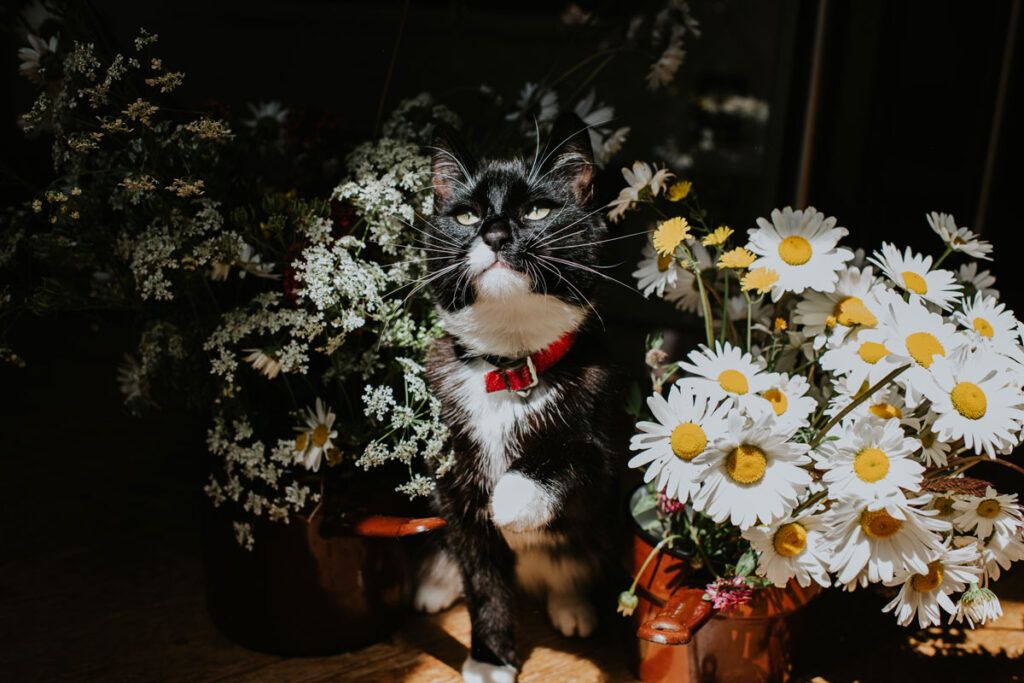
You may be unaware of having a cat allergy until you get your first pet. Cat and pet allergies can cause symptoms such as sneezing and itching.
However, most people with this condition can manage their allergy symptoms with antihistamines and continue to live happily with their pets.
The best antihistamine for cat allergies will depend on what works best for you. The best antihistamine will be different for different people.
—————-
Need a diagnosis or prescription quickly? Optum Perks offers personalized on-demand care in as little as 15 minutes. For $39, answer a few questions online and receive a diagnosis and treatment plan from a US-licensed healthcare professional. Get started here.

Which types of antihistamines are best for cat allergies?
Doctors generally recommend antihistamines for treating allergies, including pet allergies. These medications are available as oral tablets or nasal spray solutions.
You can buy over-the-counter (OTC) antihistamines to relieve pet allergy symptoms. But if you have moderate to severe symptoms, you may need prescription antihistamines to improve your allergy.
The best antihistamine will depend on your individual situation and factors like side effects. Some antihistamines can cause drowsiness, so you may prefer to find one that doesn’t cause this effect.
A doctor can recommend the most appropriate treatment based on the severity of your allergy and health conditions.
Prescription
Prescription antihistamines for pet allergies may include:
- azelastine (Dymista)
- desloratadine (Clarinex)
- olopatadine eye drops
- azelastine nasal spray (Astepro) — this medication is also available OTC
Nonprescription
Nonprescription antihistamine drugs for pet allergies may include:
- olopatadine ophthalmic (Pataday)
- cetirizine (Zyrtec)
- diphenhydramine (Benadryl)
- loratadine (Claritin)
- fexofenadine (Allegra ODT)
- levocetirizine (Xyzal)
————-
If you need help covering the cost of medications, the free Optum Perks Discount Card could help you save up to 80% on prescription drugs. Plus, you can now get them delivered to your home in as little as 3 days. Search for your medication here.

Free prescription coupons
Seriously … free. Explore prices that beat the competition 70% of the time.
Get free cardWhy do some antihistamines make you sleepy?
Some antihistamines can cause drowsiness as a side effect. The antihistamines that cause drowsiness are known as first-generation antihistamines, and the most common example is diphenhydramine (Benadryl).
First-generation antihistamines cross the blood–brain barrier, which means the medication enters and affects your brain, specifically blocking receptors that regulate sleep and wakefulness. This usually isn’t particularly harmful, but it is the reason for the drowsiness often seen with these medications.
For reduced drowsiness
You may use less-sedating antihistamines to treat cat allergy symptoms. These types of antihistamines reduce drowsiness and effectively treat symptoms. These medications are called second-generation antihistamines, and they may include:
- cetirizine (Zyrtec)
- fexofenadine (Allegra)
- loratadine (Claritin)
You can also take a 24-hour antihistamine before going to sleep, allowing the drowsiness to wear off by the time you wake up. The above medications often have 24-hour versions.
For some antihistamines, taking them before sleeping may cause vivid dreams. But as medications affect people differently, it may be best to speak with your healthcare professional about trying different options.
What causes cat allergies?
Cat allergies affect up to 20% of the population. Allergies occur when your immune system overreacts to something that isn’t usually a threat. Your immune system can react to allergens cats produce through the sebaceous or oil glands in their skin and salivary glands in the mouth.
The primary cause of cat allergies is an allergen called Fel d 1. When grooming, this sticky protein found in cat fur can spread throughout the environment in which cats live. When you come into contact with it, this is what triggers your allergic reaction.
Symptoms of a cat or pet allergy
The symptoms of cat or pet allergy can range from mild to severe. These may include:
- sneezing
- itchy nose
- runny or blocked nose
- postnasal drip
- itchy eyes
- red eyes
- coughing
If you have a cat or pet allergy, you may not experience all of these symptoms. Sometimes, you may not even realize your symptoms are linked to your pet.
Can you suddenly develop a cat allergy?
If you’ve lived with a cat in the past without developing allergic symptoms, it’s possible to develop cat allergies later in life.
You can suddenly develop a cat allergy when you’re exposed to a new cat later. Exposure to a new cat could trigger a response from your immune system and develop into an allergy.
Living with a cat if you have an allergy
If you have a cat allergy and live with a cat, you may need to take steps to lower your risk of exposure to cat allergens. This may include:
- wearing gloves when you brush your cat
- brushing your cat outside your house
- washing your hands after touching your cat
- using a vacuum cleaner with a high-efficiency particulate air (HEPA) filter
- not letting your cat enter your bedroom
- increasing the ventilation in the rooms of your house
- regularly washing your cat’s bedding
- regularly bathing your cat to reduce the dander
It’s also important to take your medications regularly to manage cat allergy symptoms.
Summary
Cat and pet allergies can cause mild to severe symptoms, including sneezing, itching, and a runny or blocked nose. You can suddenly develop cat allergies, even if you’ve lived with a cat for years, without having any symptoms.
You can take antihistamines to treat cat and pet allergy symptoms. Nonprescription medications are commonly available for less severe symptoms. But doctors may recommend taking prescription antihistamines for moderate to severe allergy symptoms.
Taking antihistamines may cause side effects, including drowsiness. However, nonsedating antihistamines are also available for people who want to stay awake and avoid sleepiness after taking their medications.
—————
Download the free Optum Perks Discount Card to save up to 80% on many prescription medications. Plus, you can now get them delivered to your home in as little as 3 days. Search for your medication here.